
Buying SROs in NYC — Make Smarter Investment Decisions
We’ll make sure you purchase the right SRO property by avoiding costly compliance issues, tenant complications, and hidden liabilities.
SMOOTH TRANSACTION
With limited risk throughout the buying process.
NO PRESSURE
No pressure to overpay or purchase within a specific timeframe.
ONGOING SUPPORT
A dedicated team that remains available even after the transaction is complete.
SRO Housing New York City: Making a Smart Investment
Single room occupancy housing (SRO housing) in NYC is a vital piece of the city’s affordable housing puzzle, as defined by New York City SRO housing regulations—a long-standing solution to the housing needs of low-income New Yorkers. SROs provide individual rooms within larger residences, offering a budget-friendly option that has existed since the 1930s, with roots going back over a century. Originating in the late 1800s to house waves of workers arriving during industrialization, SROs grew in popularity through the Great Depression. However, in 1955, New York City introduced policies banning the construction of new SRO units due to concerns over substandard conditions. Despite these restrictions, SROs continue to serve as a crucial lifeline for vulnerable populations—including people with disabilities, veterans, and those transitioning out of homelessness—offering an essential alternative to shelters.
The Ins and Outs of Single Room Occupancy
SROs consist of small private rooms within larger buildings where tenants share bathrooms, kitchens, and communal spaces. Characterized by their single-room layout and shared amenities, SROs represent a unique form of affordable housing designed initially for single adults and low-income individuals. Today, they remain a practical solution amid New York City's high housing costs. Typically ranging from 7 to 13 square meters (80 to 140 square feet), these units often include basic furnishings such as a bed, chair, and sometimes a small desk, with some featuring a small refrigerator or sink. As the city faces ongoing homelessness and affordability challenges, SROs provide flexible, affordable housing that meets the needs of low-income individuals, temporary workers, and marginalized populations. Additionally, SROs appeal to those seeking minimalist lifestyles valuing simplicity, privacy, and affordability.
From an investment perspective, SRO properties offer flexibility—owners can capitalize on the short-term rental market or pursue renovations to convert units into Class A apartments. With high demand and potential for repositioning based on an accurate property value in NYC, SROs present a compelling opportunity in New York's competitive real estate market.
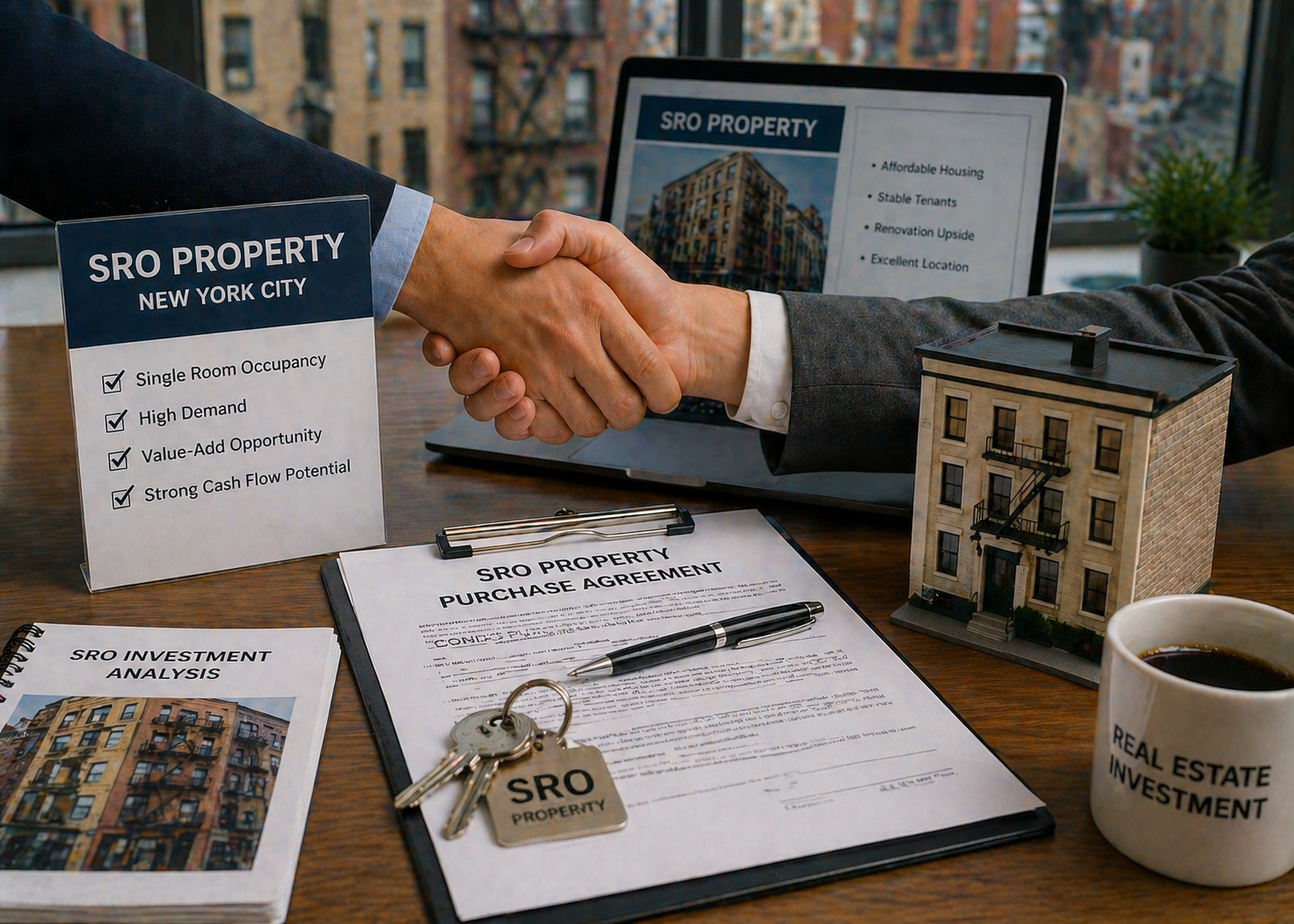
Expert SRO Property Acquisition and Due Diligence Services
Navigating the complexities of SRO real estate requires expertise. With only around 30,000 to 40,000 units remaining from a historic peak of 200,000, competition is fierce. Regulatory pitfalls involving Certificate of Occupancy classifications, rent stabilization, Multiple Dwelling Law compliance, and tenant protections can quickly turn a promising acquisition into a costly challenge.
Stanley Montfort’s services guide clients through these complexities, ensuring proper documentation, compliance, and risk assessment. We help identify potential issues that could block renovation permits, trigger harassment claims, or impose unexpected long-term obligations. Accurate contact information for landlords, agencies, and referring parties is also critical to facilitate communication and background checks during acquisition.
Schedule Your SRO Investment Consultation Today!
Why SRO Properties Are the Real Deal
SRO housing offers compact, affordable living spaces—typically 80 to 140 square feet—with essential furnishings and shared facilities. Classified as Class B residences in NYC, these units provide accessible housing options, especially for low- and middle-income renters who benefit from more lenient background checks and lower security deposit requirements. Rising housing costs have increased SRO appeal among younger and middle-income renters seeking private space at affordable prices.
While SRO living presents challenges such as limited privacy, shared facilities, and maintenance issues in older buildings, these properties remain vital for marginalized populations including workers, immigrants, and those seeking simple lifestyles. Since the 1970s and 80s, SRO units have declined due to regulatory bans and conversions into single-family or multi-family residences. Many SROs have been repurposed from hotels, mortuaries, nursing homes, and other building types, reflecting their adaptability.
The Rent Stabilization Code requirements under New York rent stabilization guidelines covers SRO buildings with six or more units built before 1969 and occupied by permanent tenants. Converting SROs into Class A apartments requires applying for new Certificates of Occupancy and meeting building codes—critical steps to ensure legal compliance and tenant safety.
Given their importance as affordable housing, SROs are receiving renewed attention from advocates and legal experts working to preserve them as a housing option for vulnerable New Yorkers.
So why are SROs such a good investment opportunity?
They’re a hot market—between 2018 and 2023, single-person households in NYC grew by nearly 9%, while non-family households increased by over 11%.
People are looking for smaller, more affordable options—and SROs are a great fit.
Severe Supply Constraints: The vacancy rates for rentals under $2400/month have plummeted below 1%—a tiny fraction of historic SRO units are left, and these properties are now rightly commanding top dollar from the renters priced out of pricier units.
Class B Hotel Cash Flow: Many SRO buildings are classified as Class B multiple dwellings, which give them multiple uses—they can operate as rooming houses or mini-hotels with a steady stream of short-term tenants, professionals, and newcomers to the city.
Conversion Potential: Converting SROs to Class A apartments with private bathrooms and kitchens can give landlords a big boost in rent—from approximately $1500 per room up to $2000 or more per unit in stabilized buildings, and even higher in market-rate conversions.
Prime Locations: Lots of SROs are located in historic neighborhoods across Brooklyn, Manhattan, and the Bronx, where the type of building and access to public transport drive up property values.
However, buying an SRO without a solid understanding of its legal status, tenant protections, and certification requirements can lead to a whole world of trouble—blocked permits, lawsuits, and hundreds of thousands in unexpected costs. Working with Stanley Montfort’s services can prevent these regulatory mishaps before they do lasting damage to your investment.
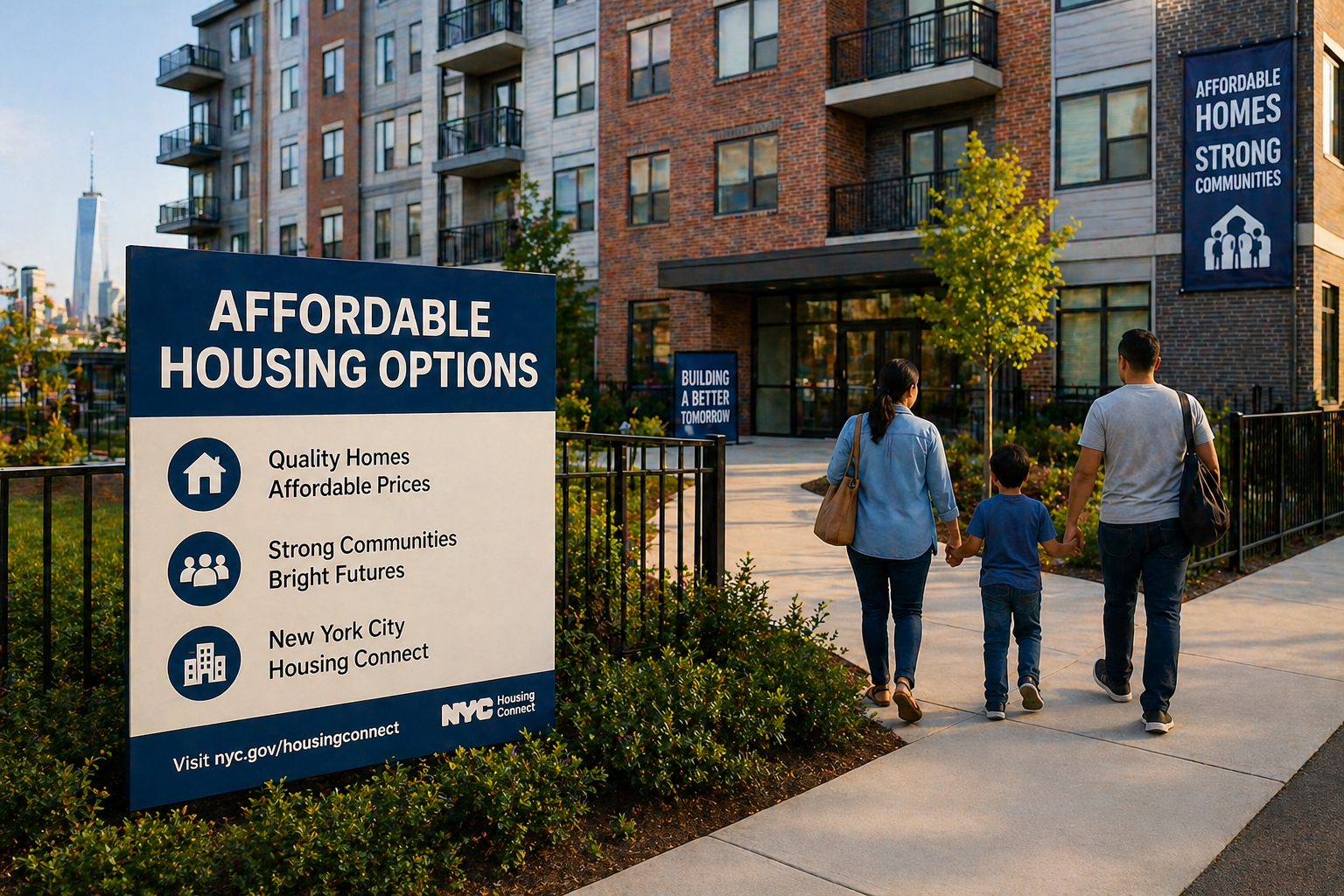
Affordable Housing Options
SRO units are still one of the most accessible affordable housing options for low-income people, single adults, and those with a real minimalist streak. You’ll find ‘em in apartment buildings, multiple dwellings, or converted hotels—and in New York City, SROs are classified as 'Class B' residences, typically older buildings rented out on a temporary basis to individuals or families, often with lower income. They typically offer tenants a private single room and shared access to things like kitchens, bathrooms, and common areas. This shared living arrangement not only keeps costs down compared to traditional apartments, but also fosters a sense of community among residents, providing social networks and support systems that can be especially important for marginalized or low-income populations. SRO units are a great fit for both short-term and long-term housing needs.
In addition to SRO housing, micro-apartments have become super popular in cities like New York—and they offer super-compact living spaces with shared amenities. Both SRO units and micro-apartments cater to individuals looking for affordable, flexible, and efficient living arrangements. And as the cost of housing keeps on rising, the demand for these types of units is only getting bigger, providing a vital option for renters on a low income and those looking to make the most of their money in high-demand neighborhoods.
Stanley Montfort’s SRO Investment Services
Residential SRO Properties
Stanley Montfort specializes in residential SRO acquisitions - and offers a tailored approach to maximizing returns and adapting to market demands, including:
Converting SRO buildings into single homes for higher-end or luxury flips - which can add serious value to the property.
Turning SROs into multi-family properties with 3-4 units, and focusing on generating steady cash flow from a diversified rental income stream.
Leveraging SRO units for short-term rental markets, tapping into the growing demand for flexible, transient living arrangements.
Managing properties with rent-stabilised tenants by conducting a thorough analysis of occupancy rights and eviction restrictions to ensure compliance and minimize risk.
Top 10 Critical SRO Investment Considerations
Certificate of Occupancy Classification: Most legally operating SROs are classified as Class B Multiple Dwellings - which are rooming units rather than standard apartments - and verifying whether your building is Class B or Class A can be a real game-changer. Mis-classifying your building can create immediate legal problems.
Rent Stabilization Code Compliance: If your SRO building has six or more units and was constructed before 1969, it's likely subject to rent stabilization - which limits rent increases and requires lease renewals.
Multiple Dwelling Law Section 248 Requirements: This state law dictates things like light, ventilation, egress, and occupancy limits for single rooms - and violating it can block you from amending the Certificate of Occupancy.
Certificate of No Harassment (CONH) Status: Converting or altering an SRO requires CONH certification - and if the previous landlord engaged in any shady practices like illegal evictions, neglect, or pressure tactics, this cert can be denied, blocking your renovation plans dead in the water.
Existing Tenant Protections and Eviction Restrictions: SRO tenants have real legal protections under rent regulation - and if you convert an SRO without doing your homework, you could end up with an unsafe, overcrowded building - and those long-term tenants will still have renewal rights. Assess whether the seller can deliver the property vacant or whether you'll inherit any long-term tenants with rights.
Conversion Potential and Zoning Regulations: Not all SROs can be converted to apartments - zoning districts and special anti-harassment zones in places like downtown Brooklyn can make that impossible.
Building Safety and Fire Code Compliance: Many SRO buildings are old and in desperate need of repair - with issues like pests, leaking pipes, inadequate infrastructure, and lack of consistent heat or electricity - and older buildings often lack required sprinklers, electrical capacity, or proper egress. These deficiencies will need costly upgrades before you can even get a permit. SRO environments can be unstable, with issues like crime and social disorder.
Shared Facilities Need Constant Tending: Bathrooms, kitchens and hallways all require regular maintenance. Shared bathrooms in particular can become a source of stress and tension among SRO tenants - so it’s essential to budget for some serious cleaning, repairs and inspections going forward.
Rent Collection and Tenant Turnover Challenges: SRO tenants - especially those in tough spots and unsure of how long they'll be around - can be a gamble when it comes to paying their rent on time. With higher turnover rates than your average apartment complex, you need to be prepared for some collection risks.
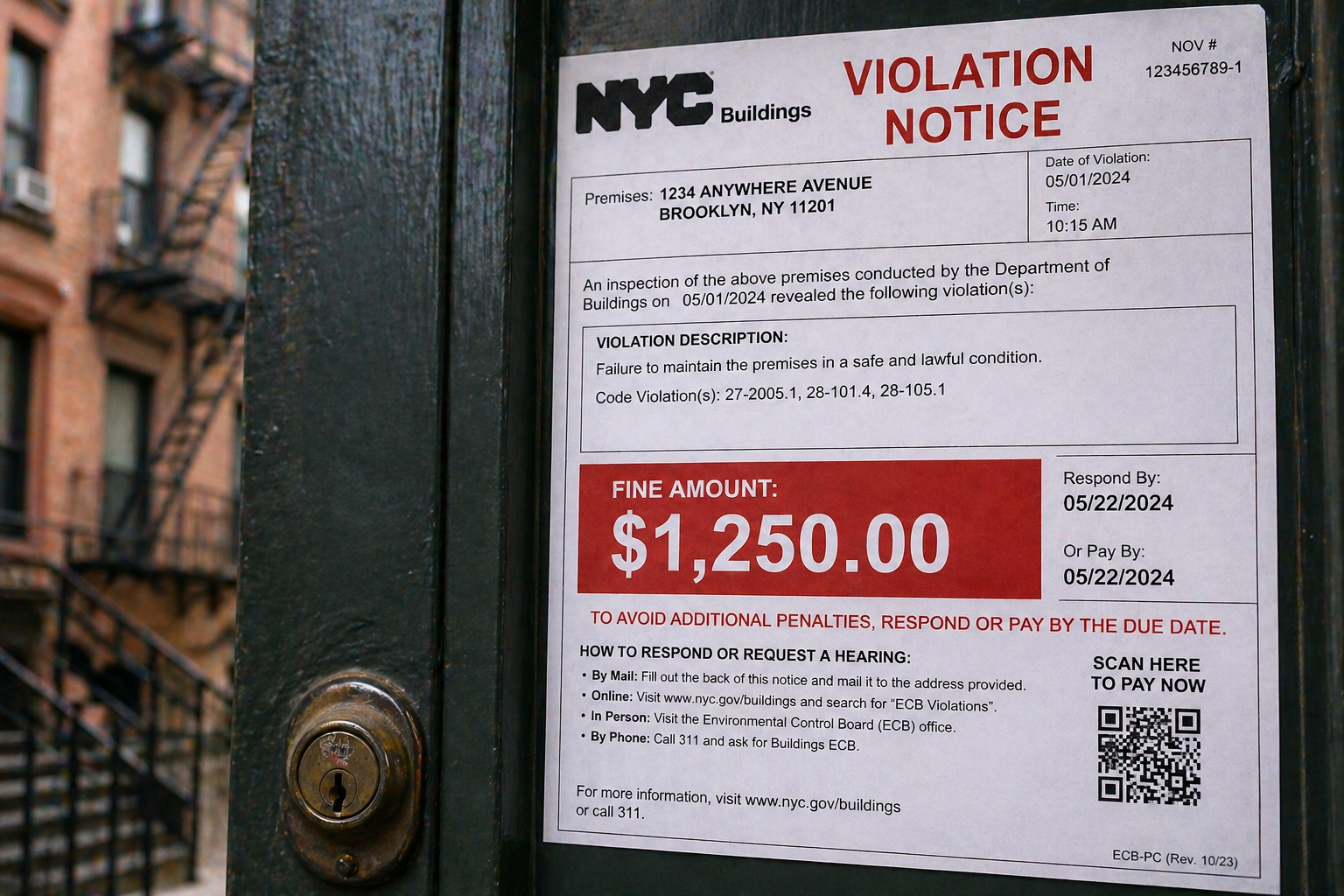
HPD Fines and Code Violations: You could be looking at hundreds of open violations if you don’t get a rundown SRO building up to code quickly. These need to be dealt with before you can even think about selling or legally converting the property. Old SRO buildings often have some pretty sad infrastructure - and maintenance has been neglected - it can be a long and difficult road to bring the building back up to standard.
Stanley Montfort’s SRO Due Diligence Process
Step 1: Sorting Out the Property
First off, Stanley Montfort breaks down the facts on the Certificate of Occupancy verification through NYC building certificate of occupancy records to confirm that your SRO is up to snuff - and properly classified. This includes:
Making sure the number of rooms matches the official records
Identifying if there are any sneaky upgrades or unauthorized construction
Checking if the current use of the building lines up with the permits needed to get approvals
Step 2: Getting Inside the Heads of Tenants
Stanley Montfort helps get a handle on tenant rights to avoid any nasty surprises later on:
Working out where tenants stand with rent stabilization
Scrutinizing leases and occupancy patterns to understand renewal rights
Figuring out if previous owners have been accused of harassment - and if you might be on the hook for it too
Determining if you can buy the place empty, or if you'll have to factor in buyouts for tenants
Step 3: Making Sure You’re Compliant
Stanley Montfort delves deep to uncover any potential issues with compliance - which is critical for getting development off the ground:
Reviewing HPD fines and code violations
Checking for Multiple Dwelling Law Section 248 under New York Multiple Dwelling Law compliance for each floor and room
Ensuring buildings meet fire code and safety standards for electrical systems and egress
Step 4: Creating A Clear Strategy
Finally, Stanley Montfort puts the pedal to the metal to get you a clear picture of where you are, where you’re going and how to get there:
Weighing up the realistic potential for conversion and putting some numbers on it
Helping you work through the risks - and coming up with a strategy to mitigate them
Providing support throughout the whole process - and after
New York City’s Housing Push
New York City has launched a whole load of initiatives to tackle the affordable housing crisis - with a focus on preserving and expanding SRO units. City agencies like the NYC Department of Housing Preservation and Development (HPD) are chipping in to convert vacant or underused buildings - including SROs - into affordable housing. They’re also pushing through new rules to protect SRO tenants from harassment and eviction - to help keep existing residents in their homes.
New regulations also let SRO building owners turn these old properties into something new - like micro apartments, for example. They’re supporting the development of brand new SRO units - and encouraging the reuse of old buildings to create innovative solutions to meet the housing needs of all sorts of tenants. New York City is fighting hard to provide more affordable housing options like SROs - and find solutions to both short-term and long-term housing problems that face its residents.
Client Success Stories
“Due diligence revealed a CONH problem that would have blocked the whole renovation project. We walked from that deal and found a better one thanks to Stanley Montfort’s services.”– Michael T., real estate investor
“Converting our SRO to apartments was supposed to be a doddle until we hit the Section 248 roadblock. Luckily Stanley Montfort guided us through all the permits - and saved us from thousands in potential fines.”– Sarah L., property developer
Frequently Asked Questions
Can I turn my SRO into apartments?
Sorry but converting SROs to Class A apartments requires an HPD no-harassment certificate to confirm that neither you nor previous owners have been guilty of tenant harassment in the past 3 years. Without it, the Department of Buildings won’t even consider your permit applications. Plus you need to get all the zoning and building codes sorted out.
Do SRO tenants have rights under rent stabilisation?
Unfortunately, yes. Most SRO buildings in NYC are subject to the Rent Stabilization Code - so tenants have rights to renewal, regulated rent increases and protection from unfair eviction. Be aware of these rights or you could end up in a world of trouble.
What happens if I buy an SRO without the right documentation?
Be warned - without verified certificates of occupancy, no-harassment certification and compliance records you could be looking at fines, blocked permits, evictions, court battles and a whole load of other headaches - all because some previous owner decided to gloss over the details. A Cautionary Tale: I witnessed a transaction go off the rails when some poor guy bought a 2 family building for $2.1 million without even checking if it was an SRO property - and he had no clue what that meant. Fast forward a few years and when he tried to sell, he found out - the hard way - that the tenant had way more rights than he thought, which made it nigh on impossible to start renovations or even get rid of the guy. That lack of knowledge ended up costing him nearly 400 grand on the sale - it’s a real-life example of the importance of doing your due diligence before buying.
Get in Touch
Book Your SRO Investment Consultation with Stanley Montfort
Stanley Montfort’s services can help prevent you losing your shirt on an SRO property by spotting potential problems & providing help before they turn into costly nightmares. We take a hard look at the regulatory risks, the tenant situation & any conversion obstacles lurking in the shadows.
Phone: 1-646-970-1078 Email: [email protected] Address: 8 West 126th Street, New York NY 10027
Don’t let the hidden pitfalls of SRO property ownership catch you out - just give Stanley Montfort a shout and he’ll get the due diligence done so your investment is off to the right start from day one.
Recent News & Realtor Advice
Stay in the loop on the latest events, news, & happenings in and around our community!
Upper West Side Townhouse Q2 2024 Market Report
On the Upper West Side, we observed a distinct trend that diverges from the citywide patterns. Speci…
Harlem Brownstone Q2 2024 Market Report
The Harlem brownstone market has seen an increase in sales activity since this time last year. In Q2…
Discover Your Dream Home: Explore Apartments for Sale on the Upper West Side
Are you searching for your dream home in one of New York City’s most sought-after neighborhoods? Loo…