
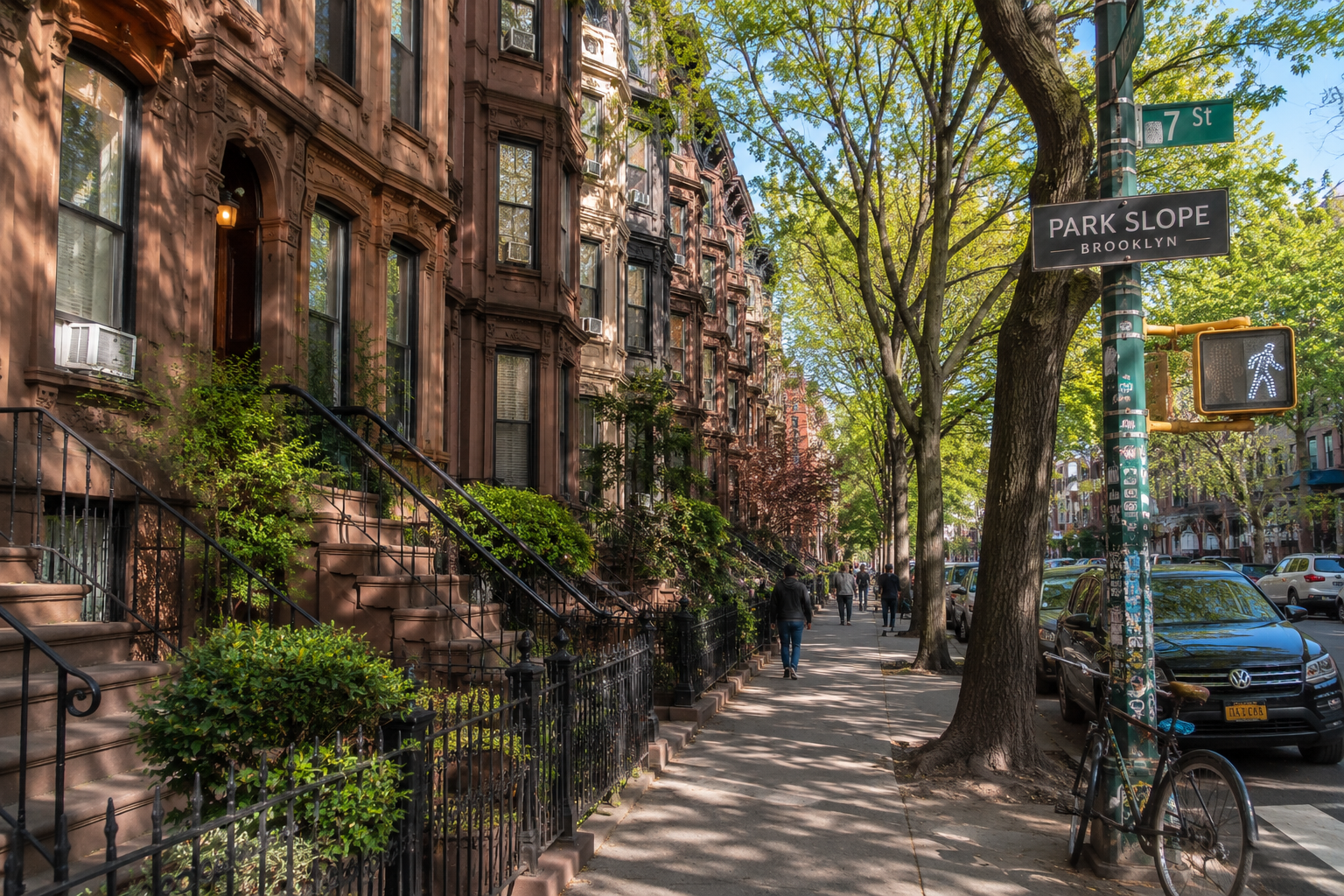
Brownstones, condos and co-ops across Park Slope, guided from first showing to closing day.
Smooth transaction with limited risk
No pressure to over pay and buy within a certain time period
A team of people that will be with you even after the transaction is complete
Live listing data provided by OLR IDX. Need help? Contact us or log in to your customer account.
Buying or selling a brownstone in Park Slope is one of the most complex residential real estate transactions in Brooklyn. Between navigating historic district regulations, verifying legal configurations, evaluating century-old construction, and understanding why two brownstones three blocks apart can differ by over a million dollars, this is not a market where general real estate experience is enough. Choosing a real estate agent in Park Slope requires hyper-local expertise and knowledge of landmark regulations - and that's exactly what a dedicated Park Slope brownstone realtor brings to every transaction.
Whether you're a first-time buyer trying to find your next home among the neighborhood's iconic limestone stoops and parlor floors, or a seller preparing to list a multi-family brownstone you've owned for decades, the decisions you make before, during, and after your search will determine whether you overpay, undersell, or land exactly where you should be.
Park Slope features unique local housing stock including brownstones and co-ops, and working with someone who understands the difference between a well-priced North Slope four-story and an overpriced South Slope conversion isn't optional - it's essential. Here's why clients across the neighborhood trust Stanley Montfort with their brownstone transactions:
Deep specialization in Park Slope brownstone real estate - not general Brooklyn sales, but block-by-block brownstone knowledge built over years of active buying and selling in this market
Licensed Associate Real Estate Broker with SERHANT, with hands-on experience navigating the Landmarks Preservation Commission approval process, Certificate of Occupancy verification, and historic district compliance
Proven negotiation outcomes - buyers should seek agents with strong negotiation skills when purchasing in Park Slope, and Stanley's track record reflects that priority
Comprehensive client service from initial consultation through closing, with direct access to a network of brownstone-experienced attorneys, inspectors, and contractors
One of the first things I review when a buyer or seller contacts me isn't the listing price - it's the legal configuration. Many people are surprised to learn that a brownstone's Certificate of Occupancy may not match its actual use, and that discrepancy can derail financing, delay closings, or cost hundreds of thousands in post-purchase legalization work.
That kind of insight is what separates a Park Slope brownstone real estate agent from a generalist. Here's what my clients consistently value:
Legal configuration expertise: I evaluate whether a brownstone's CO matches its actual unit count and use - a critical step that affects financing, rental income, and resale value. Discrepancies between CO and actual use are extremely common in brownstones converted by previous owners without formal approval.
Renovation quality assessment: Poor or inauthentic restoration can hurt value disproportionately. I help buyers distinguish between quality period-appropriate restoration and cosmetic shortcuts that mask deeper issues.
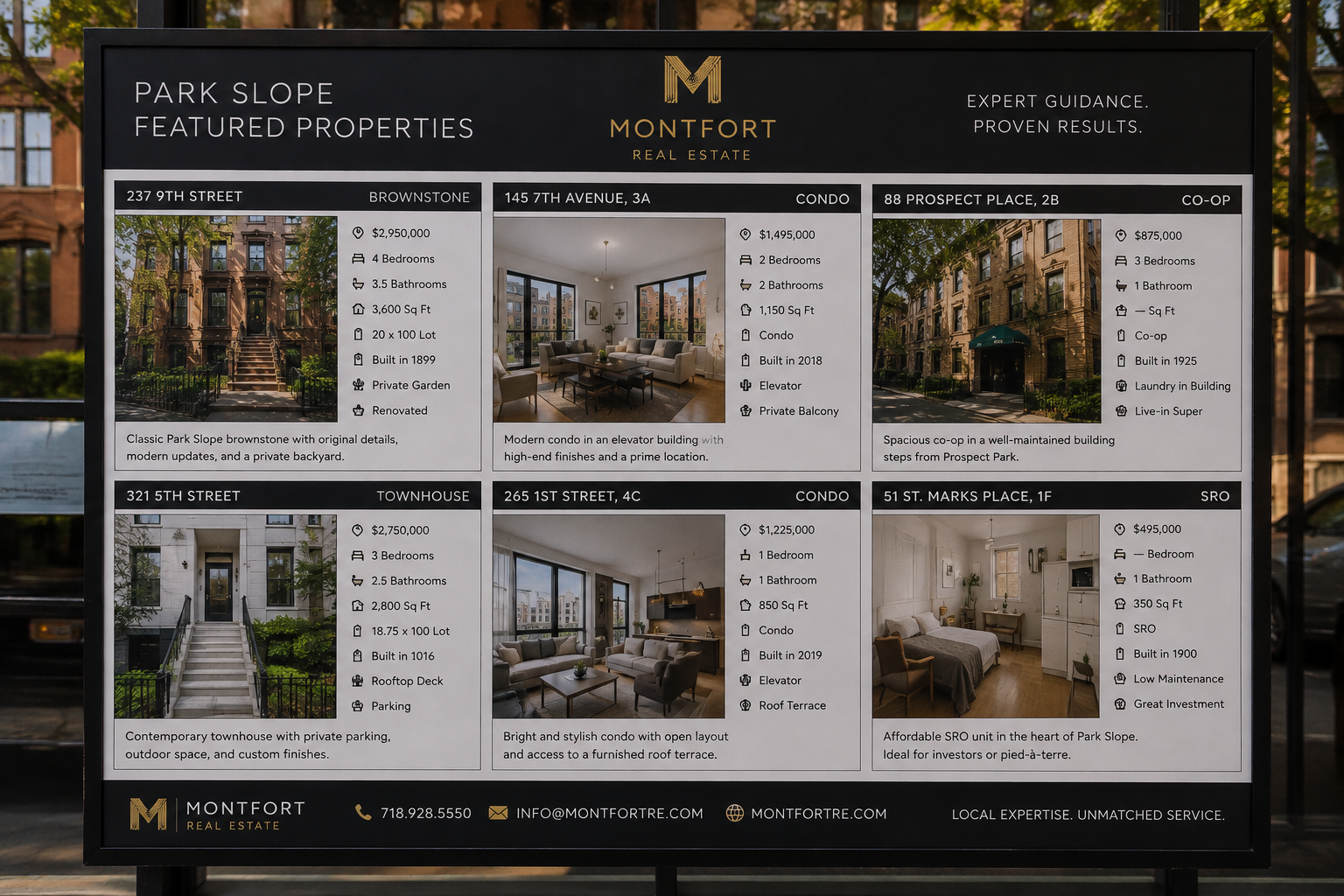
Block-by-block market knowledge: Agents must understand the pricing trends in specific micro-neighborhoods of Park Slope. The median home value ranges from $1.4 million to nearly $2 million across the neighborhood, but brownstones on preferred blocks near Prospect Park regularly command $3.8 million or more. Values fluctuate significantly between North Slope and South Slope.
Historic district navigation: The New York City Landmarks Preservation Commission governs Park Slope's historic district, and understanding what that means for exterior modifications, renovation timelines, and long-term value is something I discuss with every client before they commit.
When you're buying a brownstone in Park Slope, the work starts long before the first showing. As your Park Slope brownstone buyer's agent, I coordinate every element of pre-purchase due diligence:
Structural and systems inspection coordination - brownstones are old, and characteristic issues like failing mortar joints, cast-iron drain deterioration, water infiltration in garden-level units, and sagging structural framing require experienced eyes. I connect buyers with inspectors who specialize in 19th-century construction.
Legal configuration and rental income analysis - I verify unit counts against the CO, assess owner's duplex vs. rental configurations, and calculate realistic rent potential so you understand exactly what you're buying.
Brownstone-specific negotiation - many buyers are surprised to learn how much condition, width, legal configuration, and landmark status affect leverage. I build negotiation strategies around comparable brownstone sales, not neighborhood averages.
One mistake I frequently see from sellers is overestimating value based on broad neighborhood numbers rather than block-by-block comparable sales. As your Park Slope brownstone listing agent, I provide:
Accurate valuation grounded in recent comparable townhouse sales - not aspirational pricing. A good realtor should provide realistic advice rather than promise unrealistically high selling prices.
Strategic marketing that highlights the features sophisticated brownstone buyers care about: architectural integrity, building width, legal unit count, original details, and lot dimensions.
Pre-sale preparation guidance - data shows well-prepared brownstones outperform similar ones by attracting stronger offers, often non-contingent or all-cash. I advise on which improvements deliver return and which don't.
Park Slope brownstone real estate offers compelling investment potential when the numbers work. I help clients evaluate:
Multi-family income modeling - a brownstone with three legal units generates very different returns than one that's been informally subdivided without CO approval. I analyze both current income and legalization costs.
Owner's duplex configurations - many family buyers want to live in a duplex while renting additional units. I assess whether a brownstone's layout supports that goal legally and practically.
Sub-market appreciation trends - South Slope properties outside the historic district offer different risk-reward profiles than landmarked North Slope blocks. I help investors discover which areas align with their timeline and risk tolerance.
Brownstone transactions in Park Slope involve layers of complexity that standard residential sales don't. Here's what to expect when we work together:
Every engagement starts with a comprehensive discussion of your brownstone goals. For buyers, that means defining requirements around size, configuration, condition tolerance, and budget - including renovation and carrying costs that many people underestimate. For sellers, it means an honest market analysis using current data.
NYC Department of Finance rolling sales data for September 2025 through August 2026 shows a median sale price of about $4.25 million for one- to three-family homes in Park Slope - roughly $1,325 per gross square foot across 115 sales. Well-priced, well-maintained brownstones still move quickly.
This is where brownstone expertise matters most. Before making an offer or setting a price, I evaluate:
Structural elements: Typical brownstone widths range from 14 to 28 feet, with wider buildings (25–30 ft) commanding significant premiums. I assess building width, depth, story height, and lot coverage against comparable sales.
Systems and condition: Outdated plumbing (cast-iron, galvanized), lack of insulation, uneven floors, damp basements, and deferred façade maintenance are issues that frequently surface during inspections. I help buyers understand repair costs before they're committed.
Legal configuration: I review the CO, verify unit counts, confirm egress compliance, and flag any discrepancies. For pre-1938 buildings without a CO, I determine whether a Letter of No Objection adequately documents legal use.
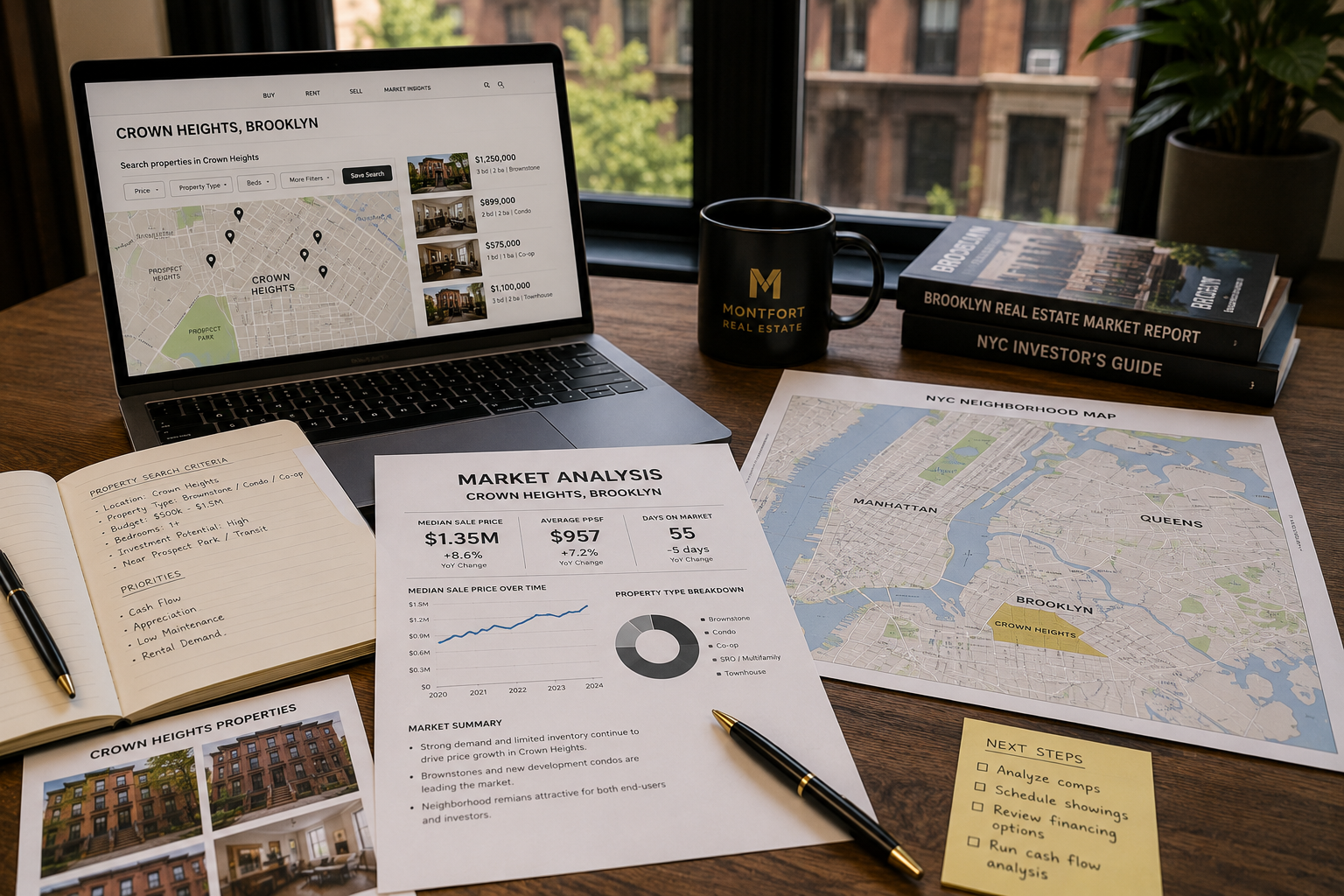
Comparable sales analysis: I pull recent closed brownstone sales - not just neighborhood medians - to build a defensible pricing strategy. In the last 30 days, Park Slope has seen roughly 49 closed sales at a median closing price of about $1.98 million.
Brownstone closings involve more moving parts than typical NYC residential transactions. I coordinate with attorneys, inspectors, lenders, and contractors to manage brownstone-specific contingencies - from LPC compliance verification to CO amendment timelines - ensuring a smooth path to closing.
The Park Slope brownstone market in 2026 reflects both strong demand and shifting dynamics. Here's what recent data shows:
Median sale prices across all Park Slope housing types have risen approximately 12.8% year-over-year, reaching roughly $1.9 million
PropertyShark reports the median sale price at approximately $2.0 million, reflecting a 24.7% YoY increase - though price per square foot has tracked lower for certain property types
Sale volume has decreased: 78 homes sold in May 2026 compared to 89 during the same period in 2025
Supply remains tight at approximately 1.8 months, with 87 active listings and a median asking price of roughly $1.77 million
Well-restored brownstones on premium blocks continue to attract strong offers, often from buyers willing to pay above asking for architectural integrity and turnkey condition
Contact Stanley Montfort to discuss recent comparable brownstone sales on specific blocks relevant to your search or sale.
Active local realtors should have comprehensive neighborhood knowledge and client service skills - and that's what our brownstone clients consistently highlight. Realtors should discuss historic district restrictions and co-op board requirements during transactions, and Stanley's approach to educating buyers and sellers before they commit is what sets the experience apart.
Park Slope isn't one market - it's a collection of micro-neighborhoods, each with distinct brownstone inventory, pricing, and regulatory profiles. With a population of 66,558 residents, 28,781 households, and a median age of 38 years, this is one of Brooklyn's most sought-after neighborhoods. The average individual income is $112,415, and the city's educated, family-oriented demographic drives consistent demand for brownstone housing.
Blocks closer to Prospect Park West between Flatbush Avenue and roughly 4th Street command premiums. Here you'll find wider brownstones (often 20–28 feet), taller story heights, more intact original details, and proximity to the park. These blocks fall within the Park Slope Historic District, originally designated in 1973 with extensions added in 2012 and 2016. Expect higher prices and stronger buyer competition.
South Slope offers more varied inventory - more multi-unit buildings, more opportunity for value-add purchases, and properties that may sit outside the historic district. Many of these blocks are currently under consideration for landmark designation by the LPC, which could change the regulatory landscape for buyers and sellers alike. People looking for brownstones for sale in Park Slope at more accessible price points often discover strong options here.
Park-facing brownstones represent the top of the market. Park views, larger lot sizes, and architectural prestige drive prices well above neighborhood medians. With over 60 parks throughout the area and Prospect Park as the anchor, proximity to green space directly influences brownstone values.
Blocks along Fourth, Fifth, and Seventh Avenues fall under different zoning classifications (R7A, R8B contextual districts) that may allow higher floor area ratios. Side streets tend to be quieter, more architecturally cohesive, and often more desirable for family buyers. With over 1,400 eateries in the neighborhood and popular spots like dining destinations along Fifth Avenue, the restaurant and retail landscape also influences block-level demand.
Park Slope's 8 primary schools, attractions like Greenwood Cemetery for serene historical walks, Nighthawk Cinema, Royal Palms Shuffleboard, and the Farmers Market at Grand Army Plaza on Saturday mornings all contribute to the neighborhood's appeal - and directly affect which blocks command premiums.
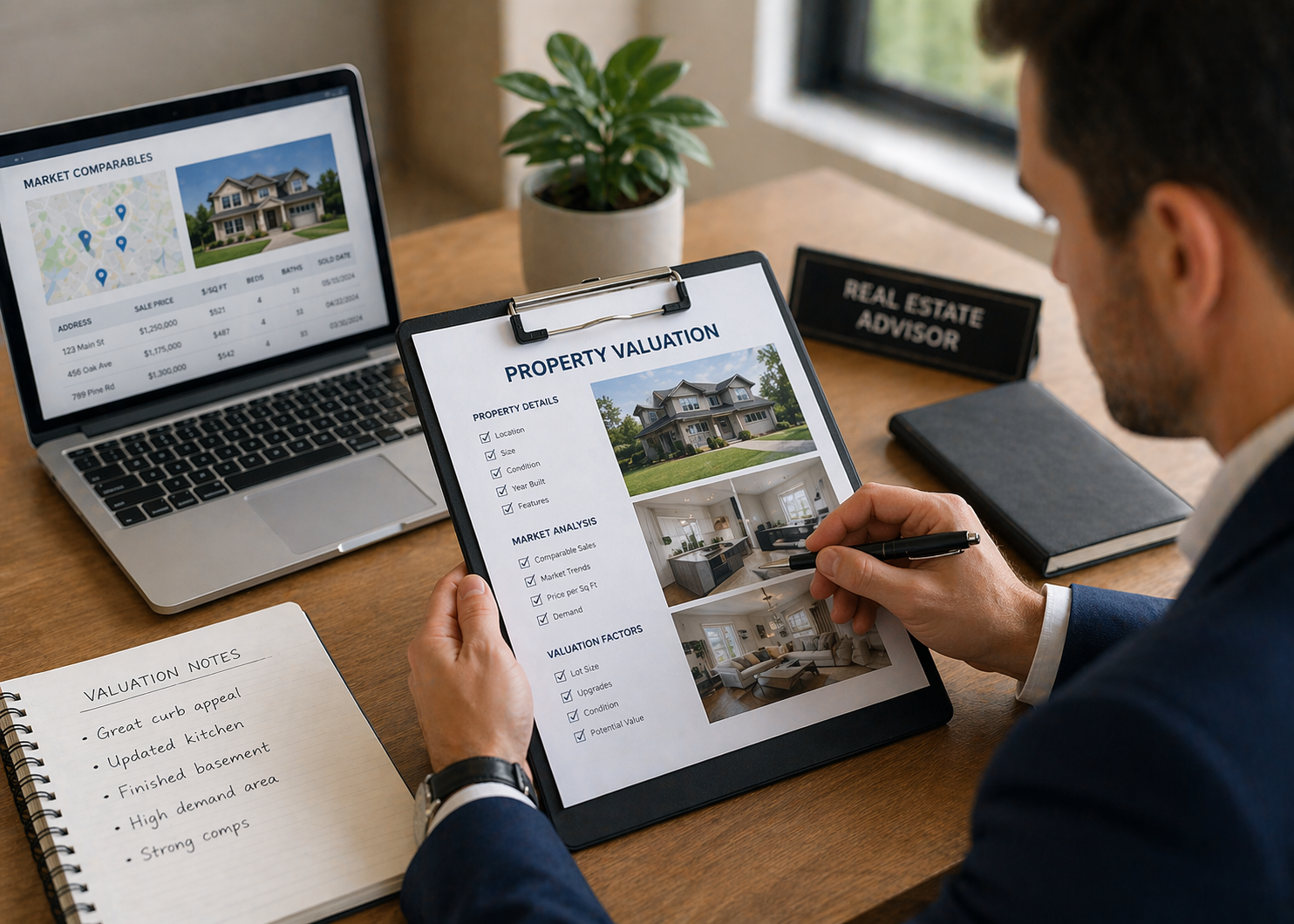
When evaluating a Park Slope brownstone, I look at factors most buyers don't initially consider. Width matters enormously - typical brownstones range from 14 to 28 feet wide, and a 25-foot-wide brownstone on a preferred block can command millions more than a 16-foot-wide building nearby. Depth, number of stories, lot coverage, and whether the front features architectural details like bay windows or barrel fronts all affect value.
Legal configuration is equally critical. A brownstone with three legally documented dwelling units and proper egress generates verifiable rental income and qualifies for different financing than one that's been informally subdivided. Park Slope real estate includes co-ops, condos, brownstones, and historic properties - and many properties are cooperative housing rather than condominiums - so understanding the specific ownership structure is essential. Renovation quality and authenticity are increasingly important: buyers are willing to pay significantly more for preserved original details restored with period-appropriate materials.
Many buyers are surprised to learn what lies beneath a beautifully staged parlor floor. Brownstone construction materials - brownstone cladding, cast-iron drains, plaster and lath interiors, wood framing - degrade in characteristic ways. I always recommend inspections that focus on:
Façade condition: Mortar joint failure, spalling brownstone, deteriorating parapets and cornices
Water infiltration: Basement and garden-level moisture problems are extremely common
Structural integrity: Sagging framing, settling foundations, load-bearing wall modifications
Systems: Outdated plumbing (cast-iron, galvanized pipes), knob-and-tube wiring, aging boilers
Roof condition: Expect replacement every 20–30 years; façade repointing every 15–25 years
One question I always discuss with clients is whether to bring specialized contractors - structural engineers, waterproofing experts, or façade restoration specialists - during due diligence rather than relying solely on a general home inspector.
Only about 25% of Park Slope currently falls within historic district protection, but the blocks that are landmarked carry both benefits and obligations. The LPC requires that exterior modifications - windows, doors, brownstone material, cornices - receive approval through a Certificate of Appropriateness or minor-work permit. Materials must be in-kind replacements; substitute materials are restricted, especially on primary elevations.
Owners must also engage Community Board 6 when applying for LPC permits, and proposed changes are often presented to the board before full public hearings. Renovation timelines in historic districts tend to be longer, and material sourcing - matching original brownstone, replicating ornate cornices - requires specialized contractors.
However, landmark status isn't purely restrictive. It preserves value long-term, elevates desirability among buyers seeking authenticity, reduces risk of poorly maintained neighboring buildings, and restricts unattractive changes that could hurt your property's appeal. An experienced local agent should understand common building types and landmark regulations to help you weigh these tradeoffs.
This is one of the most consequential questions in Park Slope brownstone real estate. The CO specifies legal use and occupancy - how many dwelling units exist, how egress is configured, and what use is permitted. Changes to unit count require an amended CO, and in historic districts, those changes also need LPC approval.
Many brownstones in Park Slope operate as multi-family rentals despite having a single-family CO, or vice versa. These discrepancies can result in loan refusals, higher interest rates, or complications at closing. For buildings constructed before 1938 without a CO ever being issued, a Letter of No Objection may serve as evidence of legal use, though these instruments have limitations.
From a financial perspective, a brownstone configured as an owner's duplex with two rental apartments generates income that can offset carrying costs - but only if that configuration is legally documented. I always verify legal unit counts and discuss the cost and timeline of legalization before advising clients on an offer or listing price.
Whether you're buying your first brownstone, selling a family home you've owned for decades, or evaluating a multi-family investment in Brooklyn's most iconic brownstone neighborhood, the right Park Slope brownstone realtor makes the difference between a successful transaction and a costly mistake.
Stanley Montfort brings the hyper-local market knowledge, regulatory expertise, and negotiation experience that brownstone transactions in Park Slope demand. Connect today to discuss your goals - from initial market analysis to closing day.
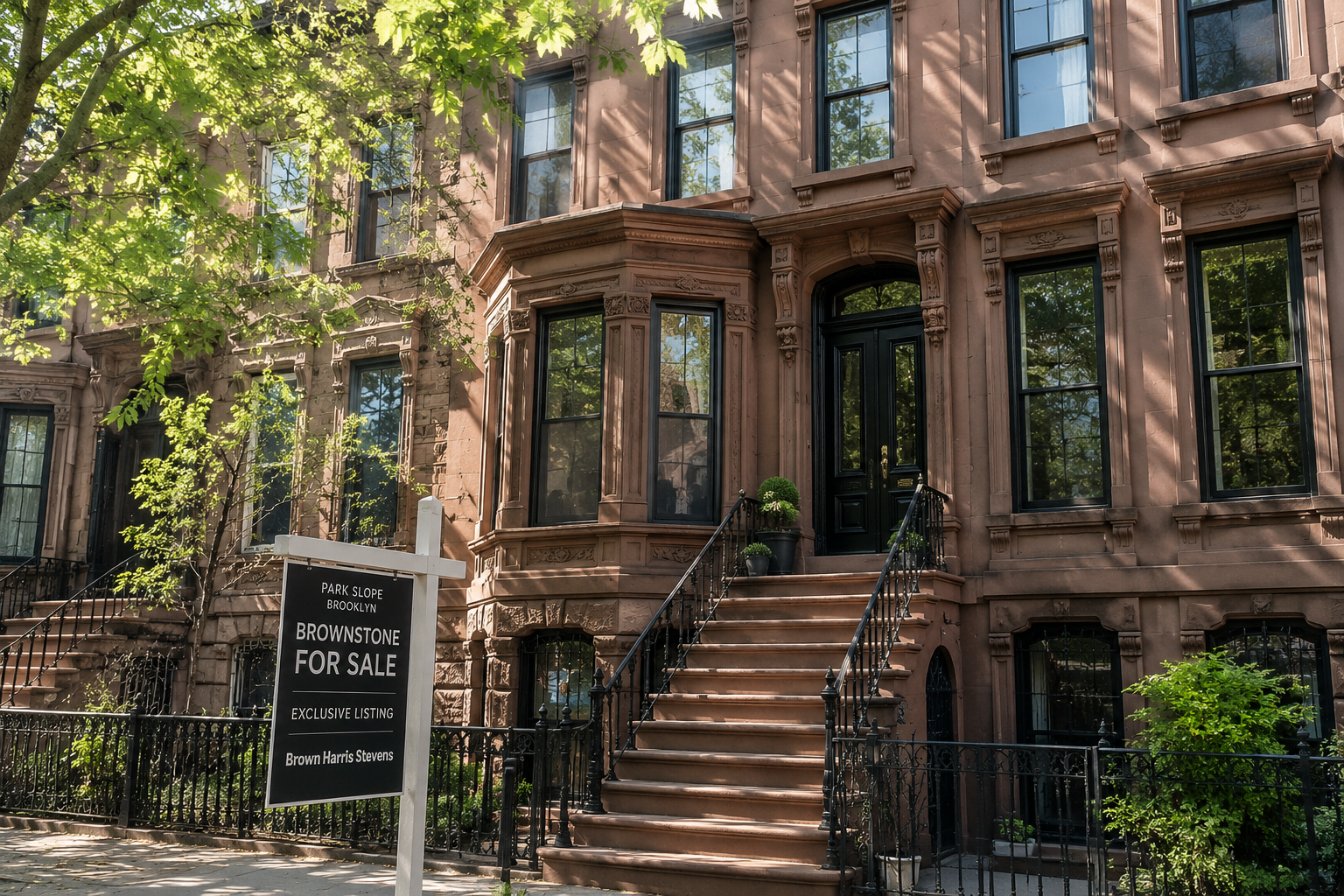
Historic brownstones, timeless architecture, and expert guidance for buying and selling in Park Slope
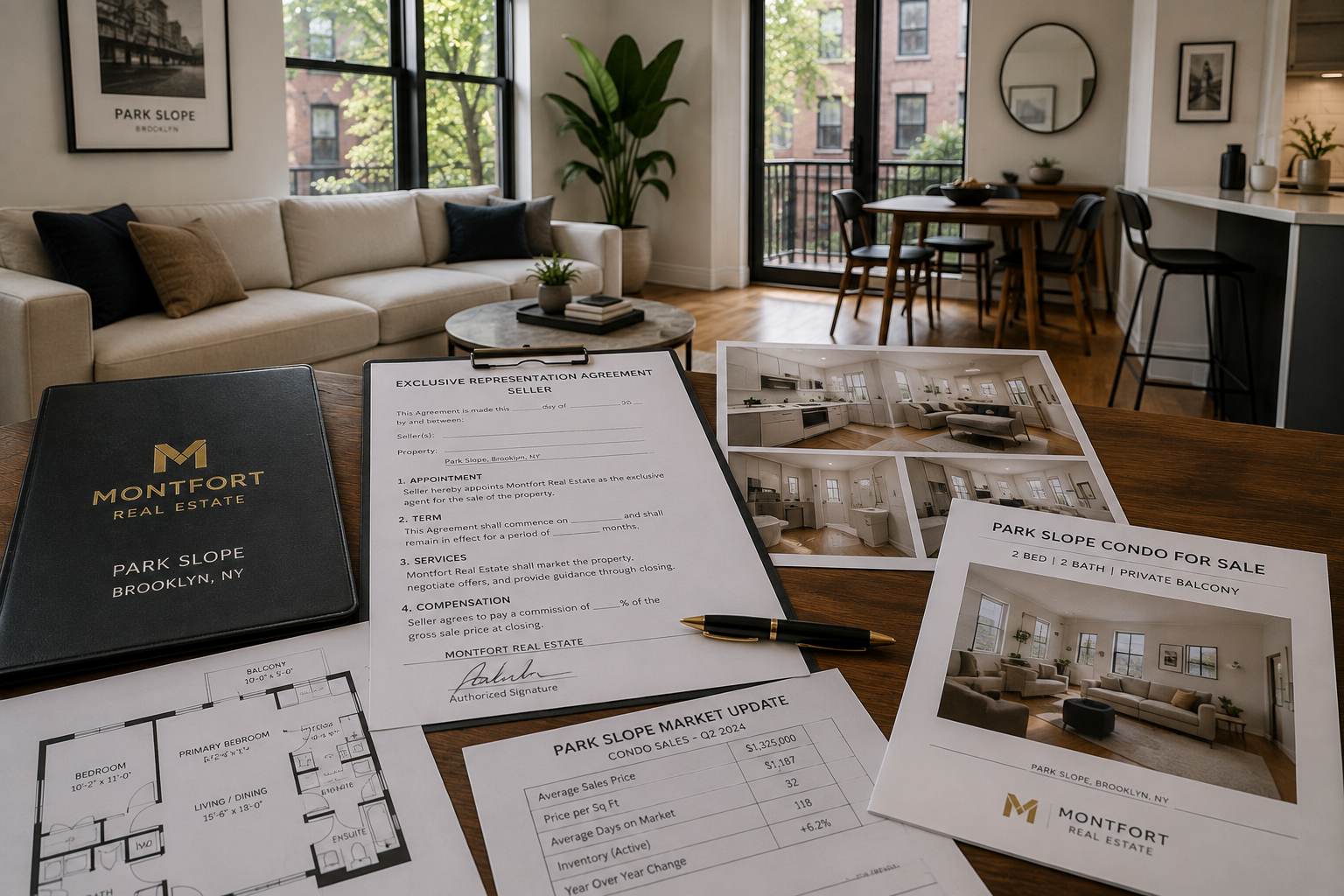
Modern condominiums, luxury amenities, and expert representation in Park Slope's competitive market
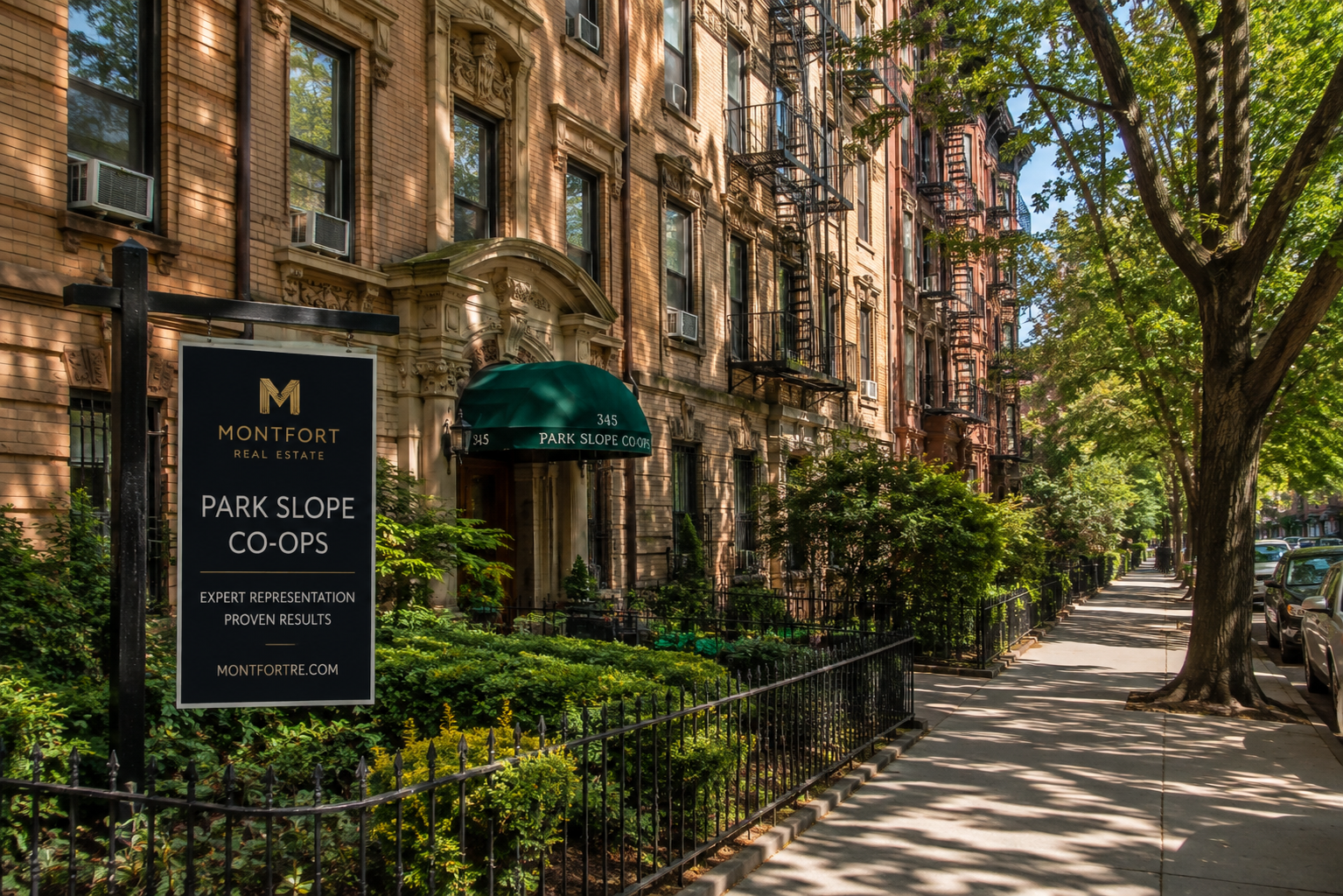
Established co-op communities, board expertise, and trusted guidance for buying and selling in Park Slope
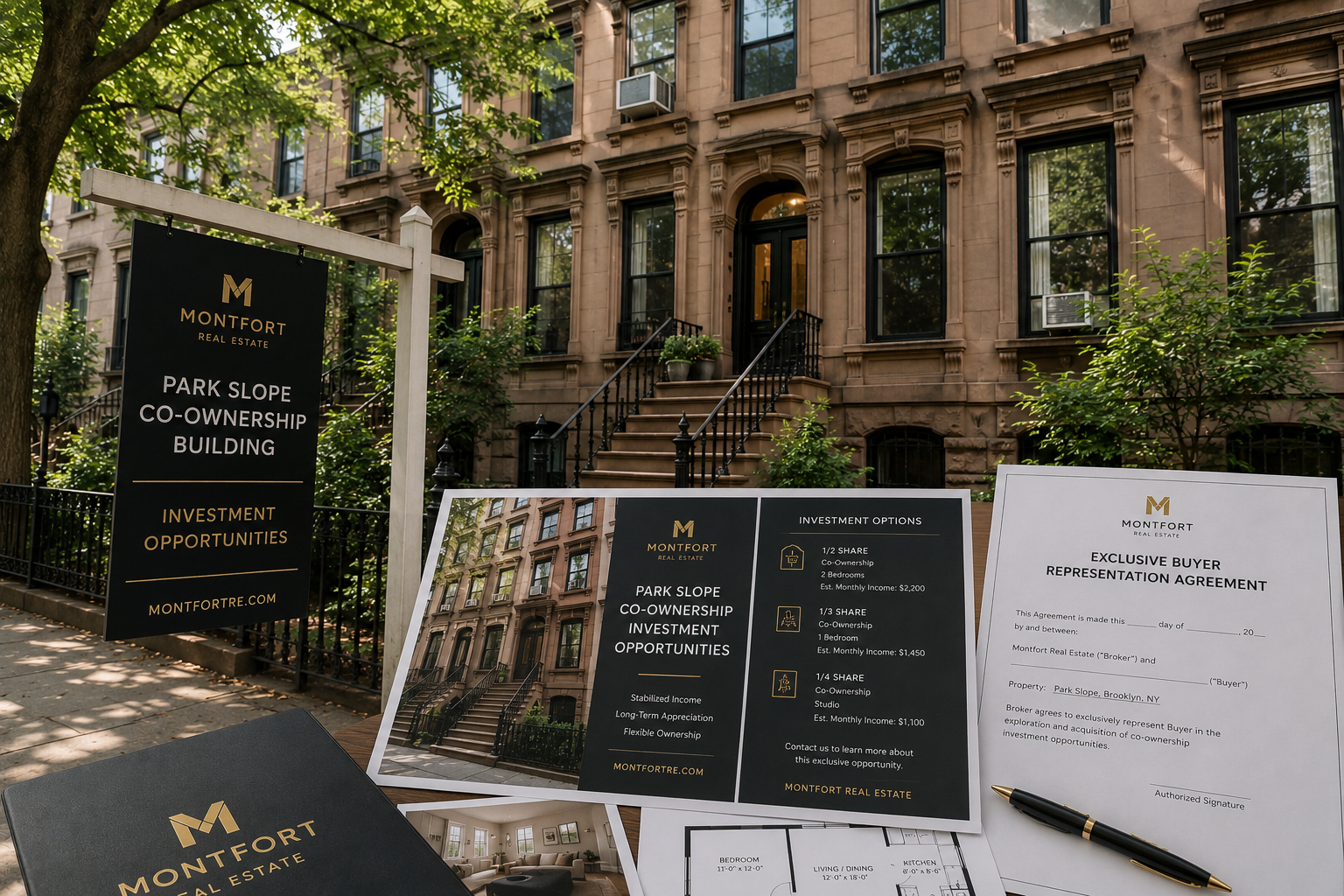
Affordable shared ownership, flexible financing, and expert guidance for buying a co-ownership home in Park Slope
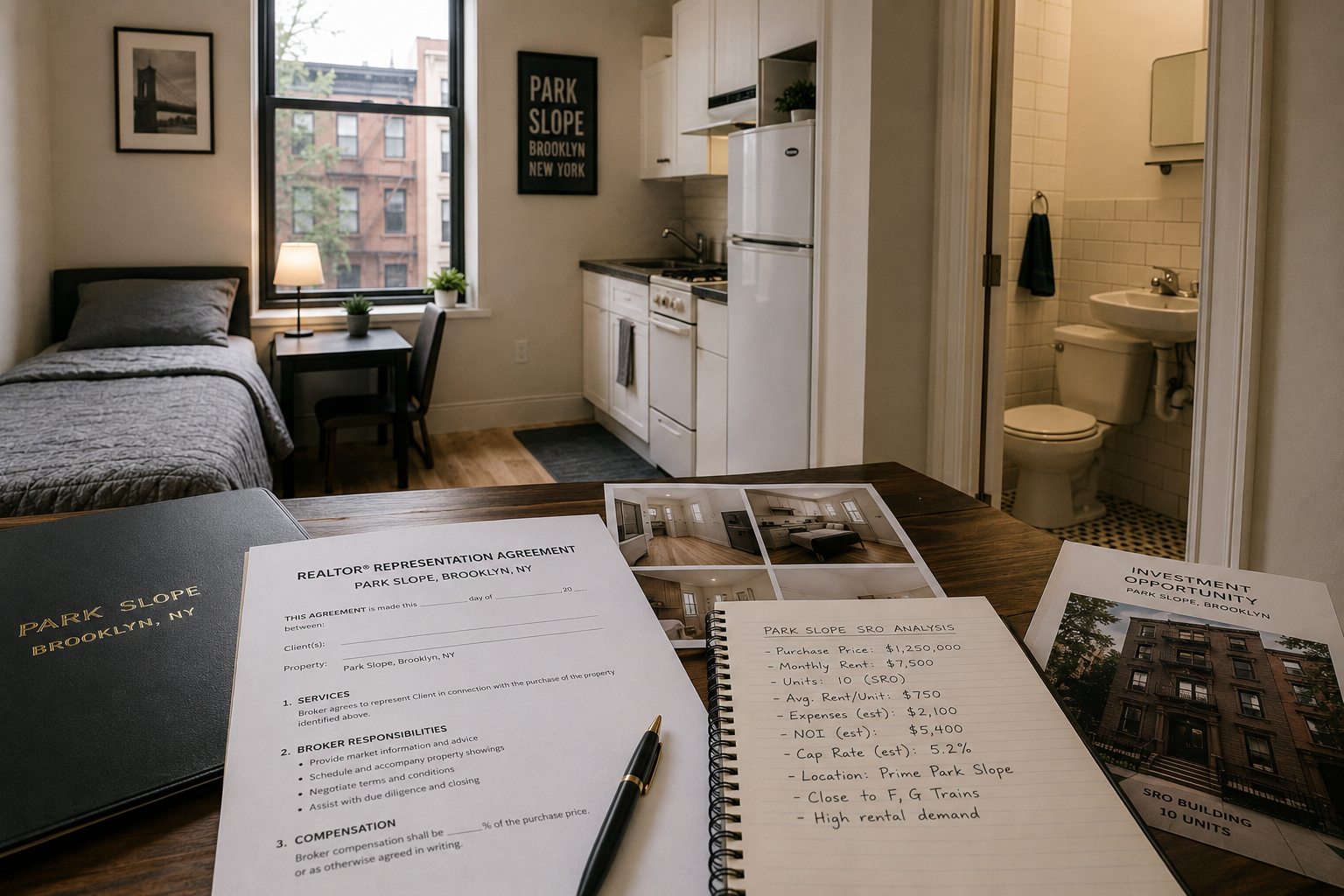
Expert guidance for buying and selling SRO properties in Park Slope with confidence and local market expertise
Educate yourself on these 15 costly mistakes — the difference between a successful purchase and a disastrous one.
Looking at a brownstone in Park Slope? Taking the time to educate yourself on these 15 costly mistakes can make all the difference between a successful purchase and a disastrous one.

 Posted on Google
Stanley Montfort represented me in the sale of my home in Hamilton Heights. He is professional in his approach and brings his warm, personable demeanor into all his interactions. I selected Stanley to represent me after doing a thorough analysis of realtors in the Hamilton Heights area looking at number of closed tra…
 Posted on Google
Stanley was great to work with. He worked with our schedule, took the time to understand our priorities, showed us a range of properties in different areas that could suit our needs and helped us strategize our approach. He was also a great resource in helping us find local connections for inspections, repairs, etc.…
 Posted on Google
Thank you for a streamlined process from start to finish ensuring the right place was found and secured without haste!
 Posted on Google
We had a great experience working with Stanley. He taught us a lot about the specific market we were looking in, which enabled us to make a very good decision on purchase of a new home.
 Posted on Google
Stanley was the dream real estate agent we didn’t know we deserved! From the beginning he was attentive to our curiosity to help us figure out what type of property we wanted - and could afford. Throughout the process he was a calm and patient presence in our lives, offering us sincere and sage perspectives to keep u…
 Posted on Google
Stanley is amazing! No one knows the Harlem market better than him, and his deep expertise was a tremendous resource. He taught me along the way how to spot 'red flags' and talked me out of making an offer on a place that seemed amazing but had, upon his close inspection, evidence of poor workmanship and lots of cut co…
 Posted on Google
Stan is extremely knowledgeable and professional. He also has the utmost patience! He helped me sell my home and purchase a condo at the same time. My home had all types of special contingencies but he was able to find me a buyer and get me very close to the price I wanted. I was very specific in terms of the property…
 Posted on Google
Stanley is the consummate professional! He made sure my listing has excellent and consistent foot traffic and quality candidates for our showings. This sale had some challenges, but Stanley never wavered. Ultimately we were successful and I’ll use him again and again for future real estate transactions.
Practical guides from Stanley Montfort on buying, selling, and pricing NYC homes.
A step-by-step guide to inspections, renovation planning, and pricing a brownstone.
How to prepare, price, and sell a NYC brownstone.
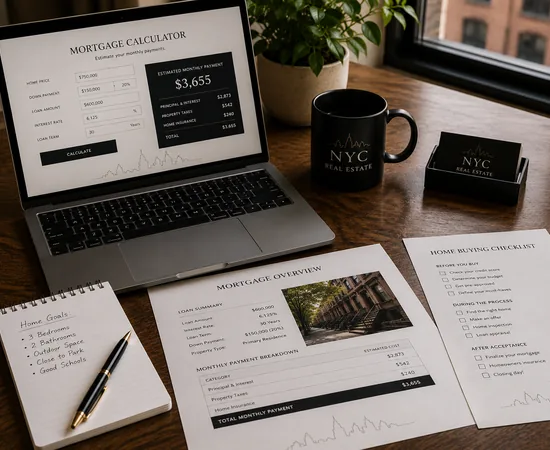
Estimate closing costs, compare renting and buying, and plan carrying costs.