
Condos, co-ops, brownstones and townhouses across Williamsburg, guided from first showing to closing day.
Smooth transaction with limited risk
No pressure to over pay and buy within a certain time period
A team of people that will be with you even after the transaction is complete
Live listing data provided by OLR IDX. Need help? Contact us or log in to your customer account.
If you're buying or selling real estate in Williamsburg, Brooklyn, the difference between a successful transaction and a costly mistake often comes down to building-level knowledge. Williamsburg is not one market - it's dozens of distinct submarkets defined by property type, micro-location, carrying costs, building condition, and buyer demand. A Williamsburg realtor who understands those differences can help you evaluate the complete ownership proposition, price a listing with precision, or negotiate from a position of real information. Stanley Montfort provides that expertise across Williamsburg condos, lofts, new developments, waterfront properties, townhouses, and multifamily buildings - available seven days a week for consultations, market analysis, and representation.
Williamsburg's real estate market has significant turnover with various active agents, which makes choosing the right representation a critical first step. Not every real estate agent operating in Brooklyn has the transaction history, building-specific knowledge, or property-type expertise that Williamsburg's complex market demands.
Choosing an agent should focus on recent transaction history in Williamsburg - not just general Brooklyn experience. When evaluating realtors, hiring an agent should consider their ability to provide references from similar clients and transparent details about fees and agency relationships. Effective real estate agents in Williamsburg possess deep local market expertise that goes beyond listing data - they understand building financials, board requirements, sponsor dynamics, and the micro-market forces that shape every transaction.
Williamsburg features a mix of old-school HDFCs, co-ops, luxury condos, and new developments - each with different buying processes, financing requirements, and ownership structures. Stanley Montfort's real estate services are built around this diversity, providing expert guidance throughout the process whether you're buying your first condo, selling a loft conversion, or evaluating a townhouse investment.
As a Williamsburg buyer's agent, Stanley conducts property search and evaluation across every building type in the neighborhood. One of the first things I review when evaluating a Williamsburg condo is the building's financial health - reserve fund balances, recent assessments, management structure, and whether the building is still under sponsor control. Agents should have knowledge of various property types like condos, co-ops, and townhouses, and understand how each category affects financing, due diligence, and negotiation strategy.
Buyer representation includes:
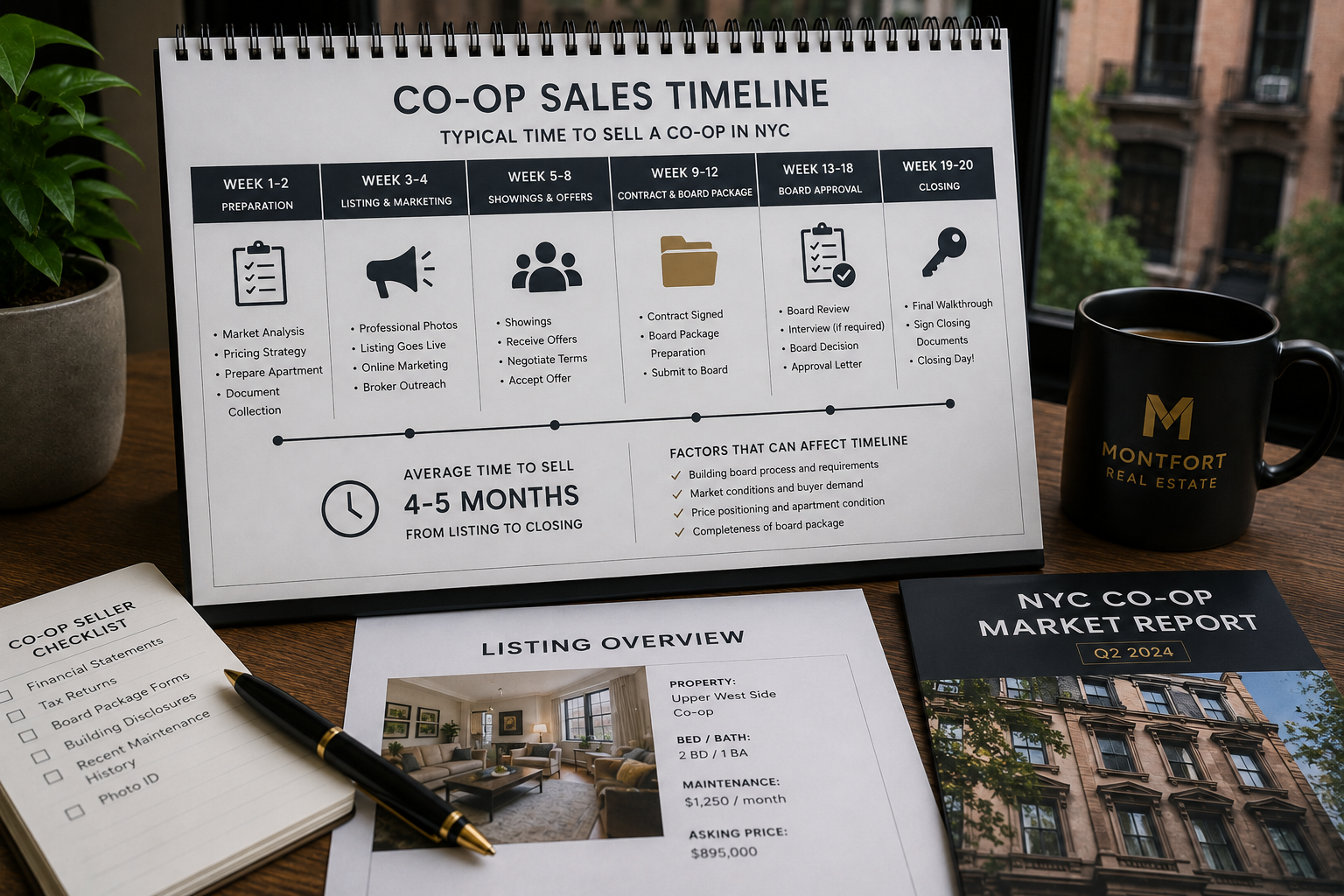
Selling property in Williamsburg requires more than listing on StreetEasy and waiting for offers. NYC real estate market requires agents to be platform savvy with databases like StreetEasy, but effective marketing goes further - it matches your property's strengths to the right buyer pool.
Stanley's listing approach includes:
Before recommending an asking price, I analyze not only recent sales but also what's currently sitting on the market, how long competing units have been listed, and whether the buyer pool for your specific property type is expanding or contracting.
Building-level analysis separates accurate valuations from misleading ones. A neighborhood-wide price-per-square-foot average can produce a dramatically inaccurate number when applied to a specific unit. Williamsburg's median listing price as of June 2026 stood at approximately $1,725,000, up about 7.8% year-over-year - but that figure tells you very little about what your particular apartment or townhouse is worth.
Valuation services include:
In a market where residential properties range from 2 to 5 bedrooms - and some homes for sale exceed 5,000 square feet - local expertise isn't optional. In Williamsburg, quick communication is crucial for successful real estate transactions, and working with a realtor who knows building-level details can save weeks of wasted showings and prevent expensive surprises after contract signing.
Every engagement starts with understanding your property goals and reviewing current market conditions. For buyers, this means identifying which micro-markets, building types, and price ranges align with your budget and lifestyle needs. For sellers, it means researching recent comparable sales in your building and evaluating how your unit's floor level, exposure, views, and condition compare.
Stanley provides an initial market analysis that includes current inventory review, recent transaction data, and a realistic assessment of pricing, timeline, and strategy.
For buyers, this step involves deep due diligence - reviewing offering plans, building financials, tax abatement expiration schedules, and competing inventory. For sellers, it means finalizing a pricing and marketing strategy that reflects both the property and its specific buyer pool.
One mistake I frequently see buyers make is comparing finishes and amenities without comparing monthly carrying costs. Two apartments listed at the same price can have dramatically different total ownership costs depending on common charges, tax abatement status, and insurance requirements.
Contract negotiation in Williamsburg requires understanding complex board packages and financial vetting processes that vary by building type. Stanley coordinates with attorneys, lenders, managing agents, and board representatives to keep the transaction on track from accepted offer through closing and post-closing support.
Williamsburg's market in mid-2026 shows mixed signals depending on the data source and property type. Redfin reports a median sale price of $1,424,521 over recent months, down approximately 7.2% year-over-year - yet price per square foot rose about 9.0%, suggesting that smaller or less premium units are commanding higher per-foot prices while total transaction values soften.
From PropertyShark data, only 21 transactions closed in Williamsburg in June 2026, a decline of roughly 60% compared to the same period last year. That drop in volume doesn't necessarily signal a weak market - it often reflects buyer caution around carrying costs and a mismatch between aggressive listing prices and what buyers are willing to pay.
Median days on market tightened to approximately 50 days, which means well-priced properties are still moving. The challenge is pricing accurately in a market where listing prices rose year-over-year but sold prices sometimes declined.
One question I always discuss with sellers is whether their listing price reflects current market comps or aspirational pricing based on last year's peak. In the current environment, overpricing by even 5-8% can push a listing past the critical first-month window where buyer attention is highest.
Carrying costs are increasingly decisive in buyer decisions. As interest rates, post-abatement taxes, and common charges rise, buyers are more cautious about overpaying for finishes or views if monthly burdens push total ownership costs beyond comfort levels.
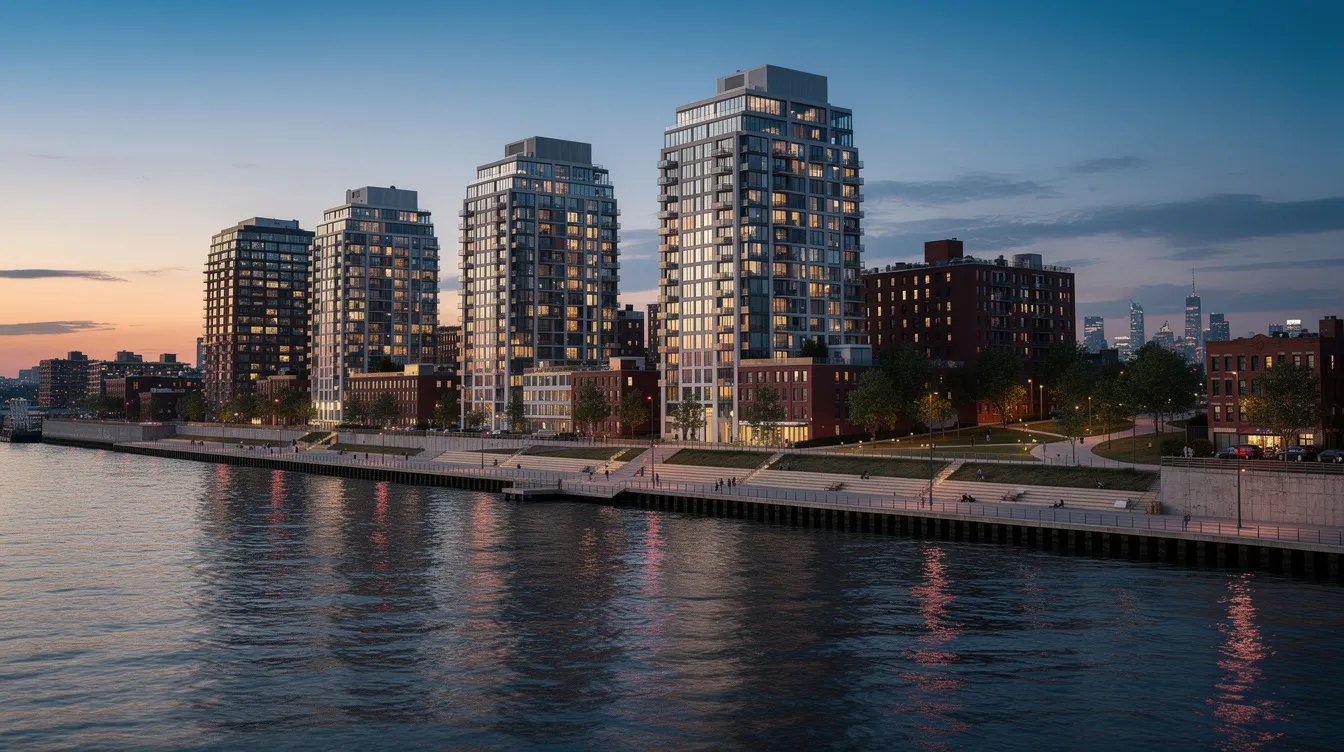
Williamsburg has distinct neighborhoods with different pricing models and inventory types. Williamsburg also offers diverse architectural designs in properties - from prewar industrial conversions to glass-and-steel waterfront towers to classic Brooklyn townhouses. Each property type creates a distinct submarket with its own buyer pool, valuation method, and ownership cost structure.
Resale condo pricing in early-to-mid 2026 breaks down roughly as follows: studios from $500,000 to $750,000, one-bedrooms from $700,000 to $1.2 million, two-bedrooms from $1.1 million to $2.5 million, and three-bedrooms from $1.8 million to $4 million and above. Premiums apply for waterfront orientation, higher floors, good exposure, and private outdoor space.
When I evaluate a resale condo for a buyer, I focus on same-building comparable sales - units with similar floor level, exposure, and square footage. A building-wide average price per square foot is useful as a starting point, but it can be misleading without adjustments for view, outdoor space, renovation quality, and floor level.
Common risk factors in resale condos include deferred maintenance, particularly in smaller buildings where boards may have kept common charges low but underfunded reserves. If a building's roof, HVAC, or façade are approaching replacement age, buyers should expect assessments - and sellers should disclose the building's capital improvement plans.
Buyer checklist for Williamsburg condos:
Many buyers assume new development equals better value - newer finishes, modern amenities, and contemporary design. But the premium for new construction doesn't always offset higher ongoing costs. One of the most significant factors is the 421-a tax abatement that many waterfront developments received during the 2000s and 2010s. These 15- or 25-year abatements are expiring across the 2025–2035 window, meaning a one-bedroom's annual tax bill could jump from a few thousand dollars during the abatement period to $9,000–$16,000 afterward - a 300–500% increase.
When comparing two Williamsburg properties - one new development, one resale - I walk buyers through total acquisition costs and projected monthly carrying costs, not just the asking price. Sponsor sales often include closing costs that the developer passes to the buyer, which can add 2–4% to the purchase price. Meanwhile, the newer 485-X program may apply to projects started after June 15, 2022, but buyers must verify eligibility with specific building documents.
Many new developments are still under sponsor control, which affects building governance, transfer of control timelines, and affiliated service agreements. Risk of higher common charges over time and possible assessments increases when an independent board hasn't yet assumed oversight.
Authentic loft conversions - old industrial and factory buildings repurposed for residential use - command premiums for ceiling heights of 14 to 20 feet or more, exposed brick or timber, oversized windows, and flexible layouts. The legal configuration of these properties matters: whether a unit is classified as a condominium, co-op, or loft affects financing options and marketability.
Price per square foot in loft conversions tends to be lower than newly built waterfront towers, but the quality of conversion, legal compliance, and mechanical systems can introduce risk. Many buyers are drawn to the architectural character of these buildings, and I find that loft buyers tend to prioritize space, light, and design flexibility over amenities and views.
When evaluating a loft conversion, I assess column placement and how it affects usable layout, window size and orientation, ceiling height consistency throughout the unit, original architectural details, and the building's mechanical systems. Older conversions with deferred systems maintenance can present costly surprises that aren't visible during a showing.
Williamsburg's waterfront along Kent Avenue and the East River corridor represents the neighborhood's highest-profile submarket. Manhattan skyline views, ferry access, and full-amenity buildings drive buyer demand - but waterfront properties also carry the highest carrying costs and require the most careful evaluation.
Monthly common charges in waterfront new-development condos often run from $1,000 to $3,000 or more per month, even for smaller units. Tax bills for comparable units range from $1,000 to $2,500 monthly depending on abatement status. A building that looks affordable today may become costly in one to five years when the abatement expires and taxes reset.
As a concrete example, consider a unit at 446 Kent Avenue (Schaefer Landing): a two-bedroom waterfront condo of approximately 1,211 square feet carries common charges of about $1,329 per month with a nearly negligible tax bill during the abatement period. Another unit in the same building - 446 Kent #7F, a renovated two-bedroom listed at approximately $1.6 million - carries common charges of $1,067 per month with an abatement running through 2032. Any buyer of that unit must project what the tax burden will look like after that date.
View permanence is another factor many buyers overlook. Future development can block sightlines that seem permanent at the time of purchase. I always research zoning and planned construction in the area surrounding a waterfront property before advising a client on its long-term value.
Buyers must also check flood zone status and insurance costs. Waterfront units may require specialized flood insurance that adds meaningfully to monthly ownership expenses.
Townhouses and multifamily properties in Williamsburg represent a fundamentally different product from condos. Median sales over the past 12 months show single-family homes at approximately $2.9 million, two-family homes around $2.7 million, and three-family properties near $2.5 million.
Key evaluation criteria go well beyond square footage: lot width and depth, façade condition, legal occupancy (whether units are legal, permitted, or in violation), outdoor space including rear yards and rooftop potential, and mechanical systems. The buyer pool for townhouses - often investors or buyers seeking more space than condos offer - differs from the condo buyer pool, and sale strategies should reflect that.
For sellers of townhouses, I emphasize that comparable townhouse sales in Williamsburg are relatively sparse compared to condo comps. Pricing requires careful analysis of lot dimensions, renovation quality, legal configuration, rental income potential where applicable, and the condition of major building systems.
Williamsburg has distinct neighborhoods with different pricing models and inventory types, and treating them as interchangeable leads to poor decisions for both buyers and sellers.
North Williamsburg Waterfront - The stretch along Kent Avenue east of Bedford features full-amenity towers, new-development premiums, ferry dock access, and uninterrupted East River and Manhattan skyline views. This area drives significant buyer demand but also carries higher supply, steeper carrying costs, and greater flood zone risk. Buyers must verify abatement expiration dates, view permanence, and whether common charges align with the building's actual amenity utilization.
South Williamsburg - Newer development along the Broadway corridor offers less waterfront access but increasingly competitive pricing. Price per square foot tends to be lower than North Williamsburg, and infrastructure and transportation improvements continue to create new town-like development patterns in this area. Buyers looking for value relative to the waterfront premium often find opportunities here.
East Williamsburg and Inland Areas - More loft conversions, fewer high-rises, and greater architectural variety define this submarket. Buyers often trade amenities and views for lower monthly carrying costs. Common charges tend to be lower, taxes more stable, and the building stock includes some of the neighborhood's most historic and architecturally distinctive properties. This area attracts buyers who prioritize interior space and character over doorman service and fitness centers.
Transportation access varies meaningfully across these areas. Proximity to the L, G, J, M, and Z trains - as well as the East River Ferry - affects daily commutes and, consequently, buyer demand and resale value. A property two blocks from the Bedford Avenue L station and one fifteen minutes' walk from the nearest subway serve different buyer pools at different price points.
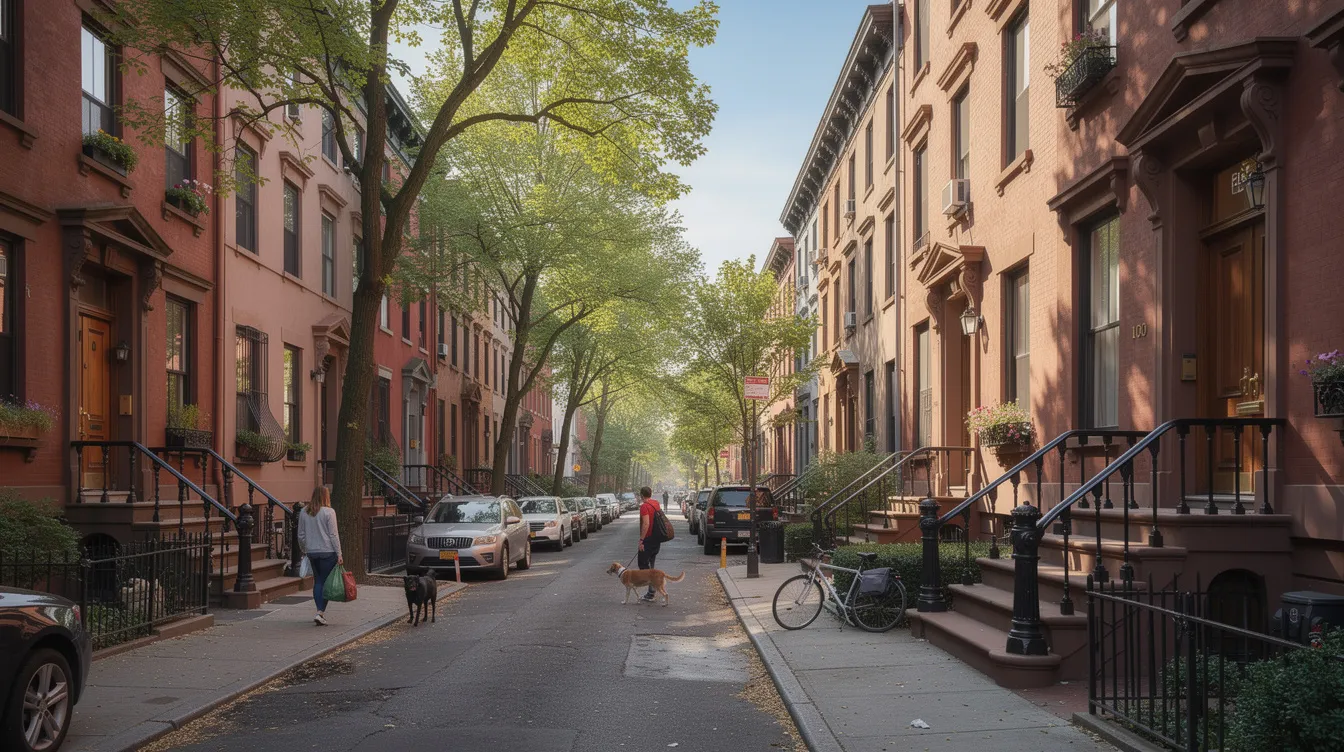
Accurate pricing starts with same-building comparable sales - units with similar floor level, exposure, square footage, and condition. I then adjust for renovation quality, outdoor space, view, amenities, and current competing inventory. A neighborhood-wide price-per-square-foot average is a starting point, but relying on it alone often produces a number that's too high or too low. For example, two two-bedroom condos in the same building can sell at materially different prices based on floor level, light exposure, and whether the unit has been recently renovated.
Review common charges, property taxes, and any recent or planned assessments. Check the building's reserve fund balance - a well-funded reserve suggests the board has planned for capital improvements, while a low reserve often signals future assessments. Determine whether the building is still under sponsor control, which affects governance and long-term cost management. For buildings with 421-a tax abatements, understand when the abatement expires and model the full tax burden that will apply afterward.
New developments typically offer modern finishes, full amenity packages, and contemporary layouts. However, total acquisition costs are often higher due to sponsor closing costs, and monthly carrying costs can be steep - especially when common charges fund extensive amenity programs. Resale condos in established buildings may offer lower carrying costs, more predictable building financials, and established board governance. Neither is inherently a better purchase; the right choice depends on your priorities, budget, and how you weigh finishes versus ongoing costs.
Value depends on what you're optimizing for. North Williamsburg waterfront commands the highest prices but offers views, ferry access, and full-service buildings. East Williamsburg and inland areas generally offer lower carrying costs, more architectural variety, and the ability to find larger spaces at lower price points. South Williamsburg is increasingly attractive as infrastructure improves. I help buyers search across these micro-markets to find properties that match their specific needs rather than defaulting to the most visible or marketed submarket.
Look for recent transaction history specifically in Williamsburg - not just Brooklyn generally. Ask for references from clients who purchased or sold similar property types. Agents should provide transparent details about fees, agency relationships, and their approach to due diligence. Real estate agents assist in buying and selling homes, but the quality of that assistance varies enormously. An experienced Williamsburg real estate broker should be able to discuss building-specific dynamics, not just neighborhood trends.
Whether you're buying your dream home along the waterfront, selling a loft in East Williamsburg, or evaluating a townhouse investment, the next step is a conversation about your specific property goals. Stanley Montfort provides personalized buyer representation, listing services, property valuation, and market analysis for every segment of the Williamsburg real estate market.
Contact Stanley to schedule a consultation and receive a current market analysis tailored to your property type, budget, and timeline. Every client's situation is different - and every Williamsburg property deserves evaluation on its own terms.
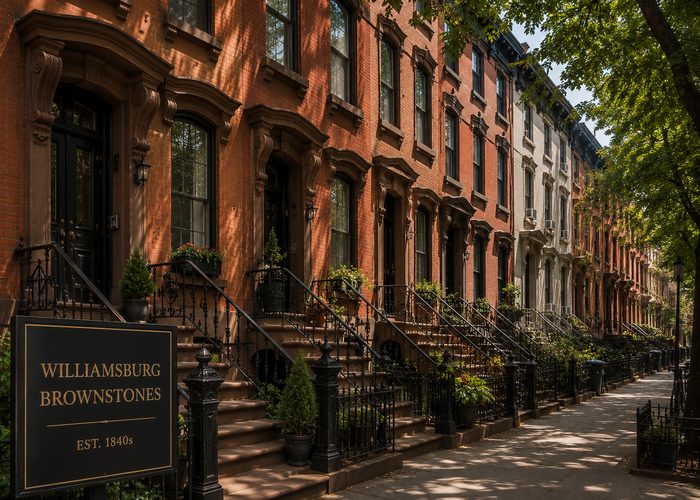
Historic townhomes, creative energy, and timeless Brooklyn charm
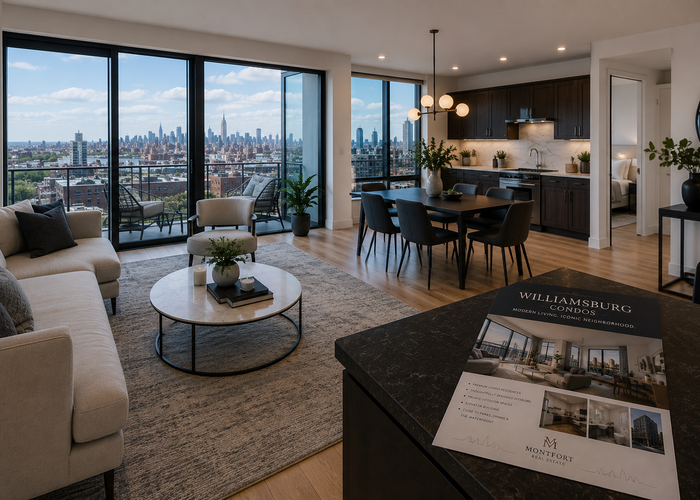
Modern luxury, waterfront living, and vibrant city life
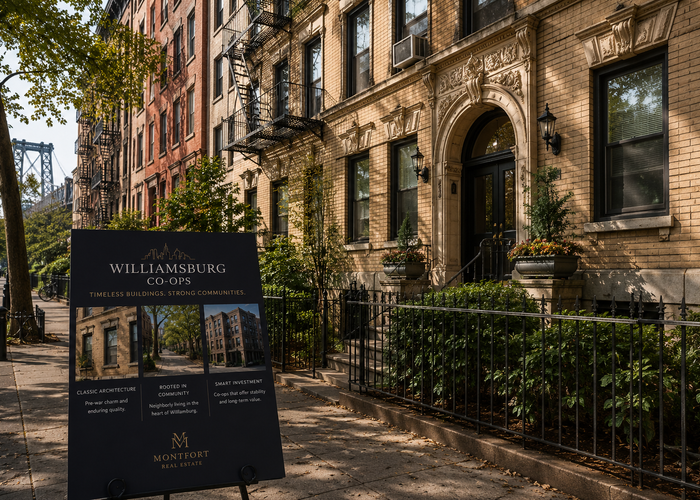
Established communities, great value, and classic Brooklyn living
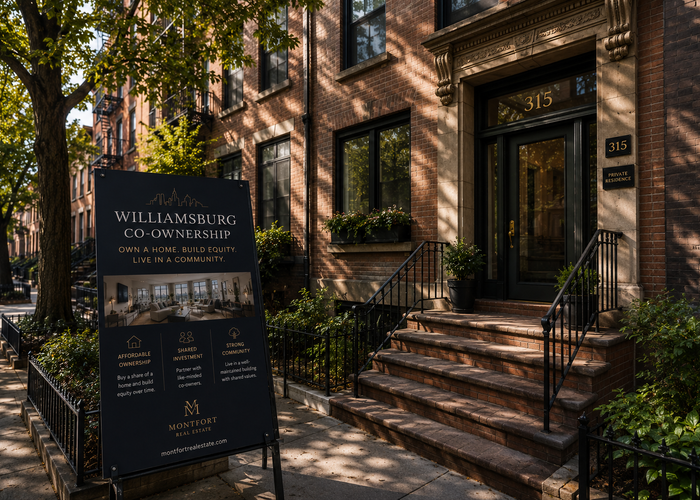
Shared ownership, flexible financing, and smarter home buying
Educate yourself on these 15 costly mistakes — the difference between a successful purchase and a disastrous one.
Looking at a brownstone in Williamsburg? Taking the time to educate yourself on these 15 costly mistakes can make all the difference between a successful purchase and a disastrous one.

 Posted on Google
Stanley Montfort represented me in the sale of my home in Hamilton Heights. He is professional in his approach and brings his warm, personable demeanor into all his interactions. I selected Stanley to represent me after doing a thorough analysis of realtors in the Hamilton Heights area looking at number of closed tra…
 Posted on Google
Stanley was great to work with. He worked with our schedule, took the time to understand our priorities, showed us a range of properties in different areas that could suit our needs and helped us strategize our approach. He was also a great resource in helping us find local connections for inspections, repairs, etc.…
 Posted on Google
Thank you for a streamlined process from start to finish ensuring the right place was found and secured without haste!
 Posted on Google
We had a great experience working with Stanley. He taught us a lot about the specific market we were looking in, which enabled us to make a very good decision on purchase of a new home.
 Posted on Google
Stanley was the dream real estate agent we didn’t know we deserved! From the beginning he was attentive to our curiosity to help us figure out what type of property we wanted - and could afford. Throughout the process he was a calm and patient presence in our lives, offering us sincere and sage perspectives to keep u…
 Posted on Google
Stanley is amazing! No one knows the Harlem market better than him, and his deep expertise was a tremendous resource. He taught me along the way how to spot 'red flags' and talked me out of making an offer on a place that seemed amazing but had, upon his close inspection, evidence of poor workmanship and lots of cut co…
 Posted on Google
Stan is extremely knowledgeable and professional. He also has the utmost patience! He helped me sell my home and purchase a condo at the same time. My home had all types of special contingencies but he was able to find me a buyer and get me very close to the price I wanted. I was very specific in terms of the property…
 Posted on Google
Stanley is the consummate professional! He made sure my listing has excellent and consistent foot traffic and quality candidates for our showings. This sale had some challenges, but Stanley never wavered. Ultimately we were successful and I’ll use him again and again for future real estate transactions.
Practical guides from Stanley Montfort on buying, selling, and pricing NYC homes.
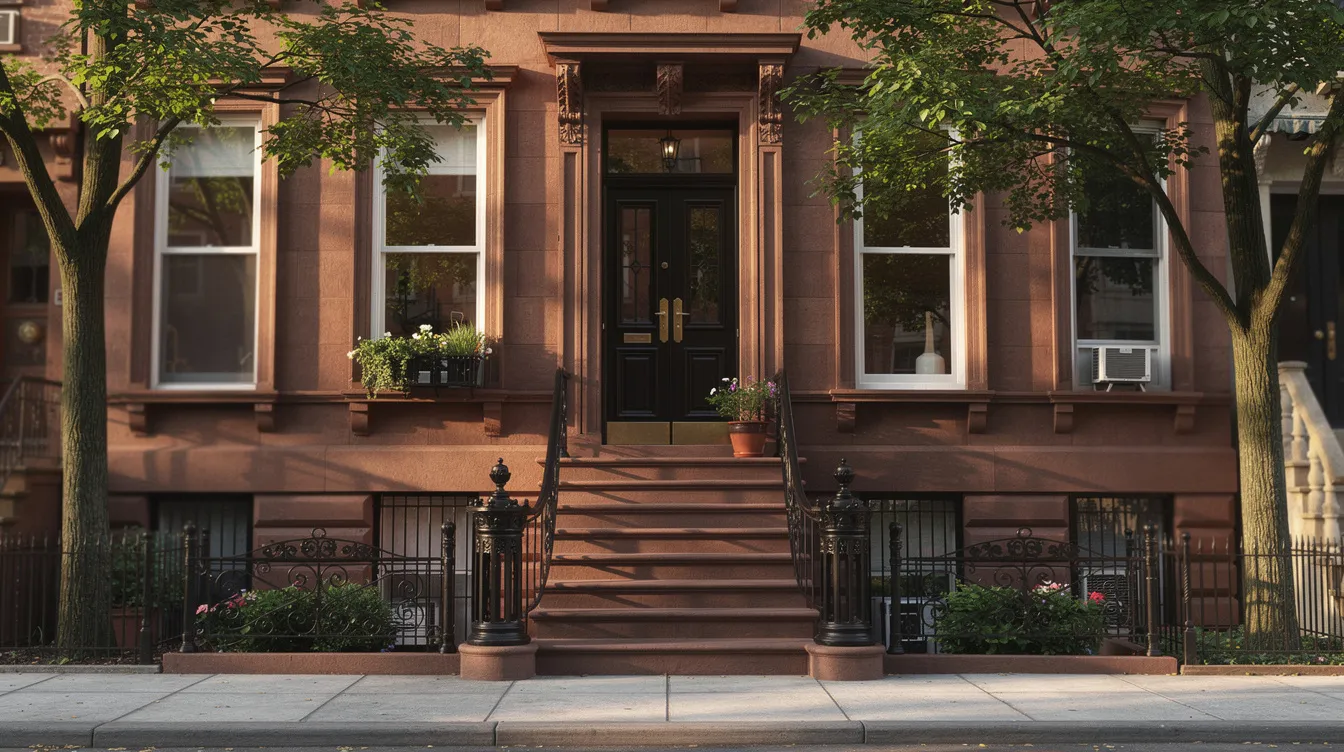
A step-by-step guide to inspections, renovation planning, and pricing a brownstone.

How to prepare, price, and sell a NYC brownstone.

Estimate closing costs, compare renting and buying, and plan carrying costs.