
Buying a Condo in NYC — Expert Guidance for a Smart Purchase
We’ll guide you through every step of the condo buying process, helping you secure the right property, avoid costly mistakes, and negotiate with confidence.
SMOOTH TRANSACTION
With limited risk throughout the buying process.
NO PRESSURE
No pressure to overpay or purchase within a specific timeframe.
ONGOING SUPPORT
A dedicated team that remains available even after the transaction is complete.
Buying a Condo in NYC - A Complete Guide
Get Expert Advice on Buying a Condo in NYC
Navigating NYC’s crazy condo market can be a real challenge, especially for prospective buyers seeking to understand what properties they can afford in New York City. With expert guidance from Stanley Montfort, a knowledgeable real estate agent who knows the ins and outs of New York City real estate, you’ll be in a much better position to make a smart purchase. Whether you’re a first-time buyer on the hunt for your dream home, an investor looking to generate some rental income, or a high-end purchaser eyeing new developments in Manhattan, Stanley Montfort, a trusted Harlem real estate agent is here to give prospective buyers personalized advice to help determine what you can afford, tailored to your unique financial situation and goals.
Ready to get started? Schedule Your Free NYC Condo Consultation Today!
Why Buying a Condo in NYC is a Smart Investment Move
Buying a condo in NYC offers you a unique combination of flexibility, ownership rights, and investment potential that co-ops can’t even come close to matching, especially when comparing condo vs co-op ownership differences in NYC. In a city where real estate is one of the most valuable assets out there, it’s crucial to understand what makes condos such an attractive option if you want to make informed purchasing decisions.
True Ownership: When you purchase a condo, you get a deed to your unit and a share of the common areas. Unlike co-ops where buyers own shares in a corporation with a proprietary lease, condo ownership is treated as real property – giving you way more control over your investment. Condo ownership typically involves lower maintenance responsibilities, as the condominium association manages common areas and exterior maintenance, allowing you to enjoy a well-kept property without the burden of upkeep. Owning a condo also provides access to prime locations, including proximity to top-rated schools, entertainment venues, and major attractions. Additionally, owning a condo offers stability over your living arrangements, reducing the uncertainty associated with rent hikes and lease renewals common in the rental market.
Flexible Subletting: Condos tend to be way more flexible when it comes to renting out your unit. While a co-op board will often impose super strict subletting restrictions, most condo buildings let owners rent with minimal limitations – making them ideal for investment purposes. Condos in NYC also offer easier subletting and financing compared to co-ops, but often have higher price points and stricter construction oversight in new developments.
Luxury Amenities: Newer condo buildings usually come with top-notch amenities like fitness centres, swimming pools, roof decks, and concierge services. These shared spaces really enhance condo living, foster a sense of community among residents, and can seriously boost property value. Condos are often newer developments with more amenities, while co-ops tend to be older buildings with fewer shared facilities.
Faster Approval: The condo board approval process is mainly procedural – focused on just waiving the right of first refusal rather than conducting personal interviews or imposing strict financial requirements like a co-op building would.
International Buyers Welcome: Condos don’t require board approval based on citizenship or residency status, which makes them super accessible to international buyers and those with non-traditional income sources.
Strong Appreciation: NYC condos have historically appreciated by 5-7% annually based on broader NYC housing market trends and historical data, which outpaces co-ops that typically see 3-5% growth. This stronger appreciation makes owning a condo a seriously attractive long-term investment strategy.
In New York City, co-ops outnumber condos, with estimates suggesting there are about twice as many co-ops as condos due to a co-op conversion boom in the 1980s.
Our NYC Condo Buying Services
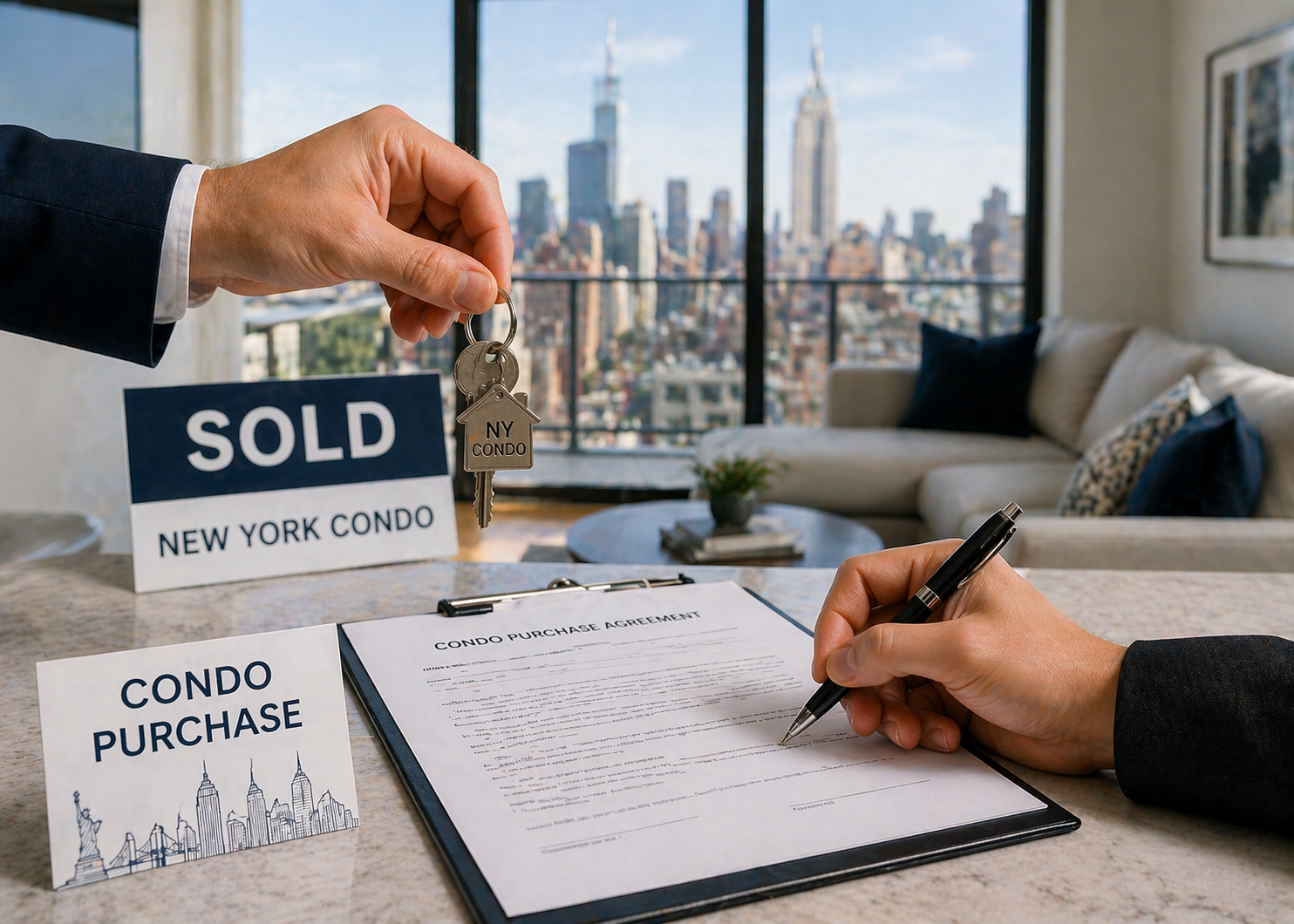
For First-Time Homebuyers
Stanley Montfort provides comprehensive guidance for navigating your first NYC condo purchase. He will help you get pre-approved for a mortgage based on current mortgage requirements for home buyers in the US, explain closing costs and maintenance fees, and point you in the direction of neighborhoods that really fit your lifestyle and budget. He'll even help you understand the difference between condos and co-ops and sort out all the paperwork with your real estate attorney.
For Investment Property Buyers
Stanley Montfort offers strategic advice for investors looking to generate some rental income and long-term appreciation across Manhattan, Brooklyn, and Queens. He will help you evaluate building subletting policies, assess property value trends, and sort out the financial implications of each purchase – including property taxes, common charges, and potential returns.
For Luxury Condo Purchases
Stanley Montfort offers white-glove service for high-end condominium transactions above $2M. He will help you navigate complex negotiations, coordinate with your legal and financial advisors, and handle all the additional fees associated with mansion tax and higher closing costs that come with luxury real estate transactions. Luxury condo purchases often involve several additional fees beyond standard closing costs—such as transfer taxes, attorney fees, and other charges—which means you’ll need to be financially prepared with more money upfront.
Top 10 Critical Factors to Consider When Buying a NYC Condo
Building’s Financial Health: Review the condominium association’s financial statements, reserve funds, and any outstanding debt. The condominium association manages the building’s finances, shared amenities, and maintenance of common areas. Ensure reserve funds are adequate to cover emergencies and avoid triggering a special assessment for major repairs. Reviewing the last 6 months of board meeting minutes can also reveal ongoing disputes or upcoming capital projects.
Monthly Maintenance Fees: Understand what common charges cover—such as heating, doorman services, and amenities—and compare them to similar condo buildings in the area. Note that common charges do not include property taxes, which are paid separately to the city.
Board Approval Process: While condos do require board approval, the process is usually pretty straightforward and takes a few weeks at most. Just know what documentation you’ll need to submit.
Subletting Policies: Each condominium operates under its own bylaws and regulations, outlined in a master deed, which detail governance and owner responsibilities. Review these documents and check out the rental restrictions in the building before you buy. Some buildings limit the percentage of units that can be rented or impose owner-occupancy requirements.
Special Assessments: Research the building’s history of unexpected fees for major repairs like façade work, boiler replacement, or elevator modernization. Reviewing recent board meeting minutes can help uncover any upcoming capital projects or disputes that might lead to special assessments.
Closing Costs: Budget for NYC-specific expenses including mortgage recording taxes (1.8-1.925%), transfer taxes, attorney fees ($2,500-$5,000), and title insurance – typically totaling 4-6% of purchase price, in line with average closing costs for NYC real estate transactions.
Building Amenities: Evaluate the services available in the building – things like fitness centres, roof decks, and doorman coverage. More amenities increase maintenance but can enhance property value and resale potential.
Neighbourhood Growth: Take into account future development, transit access, and commercial investment in the area. Neighbourhoods that are undergoing rezoning often see stronger appreciation.
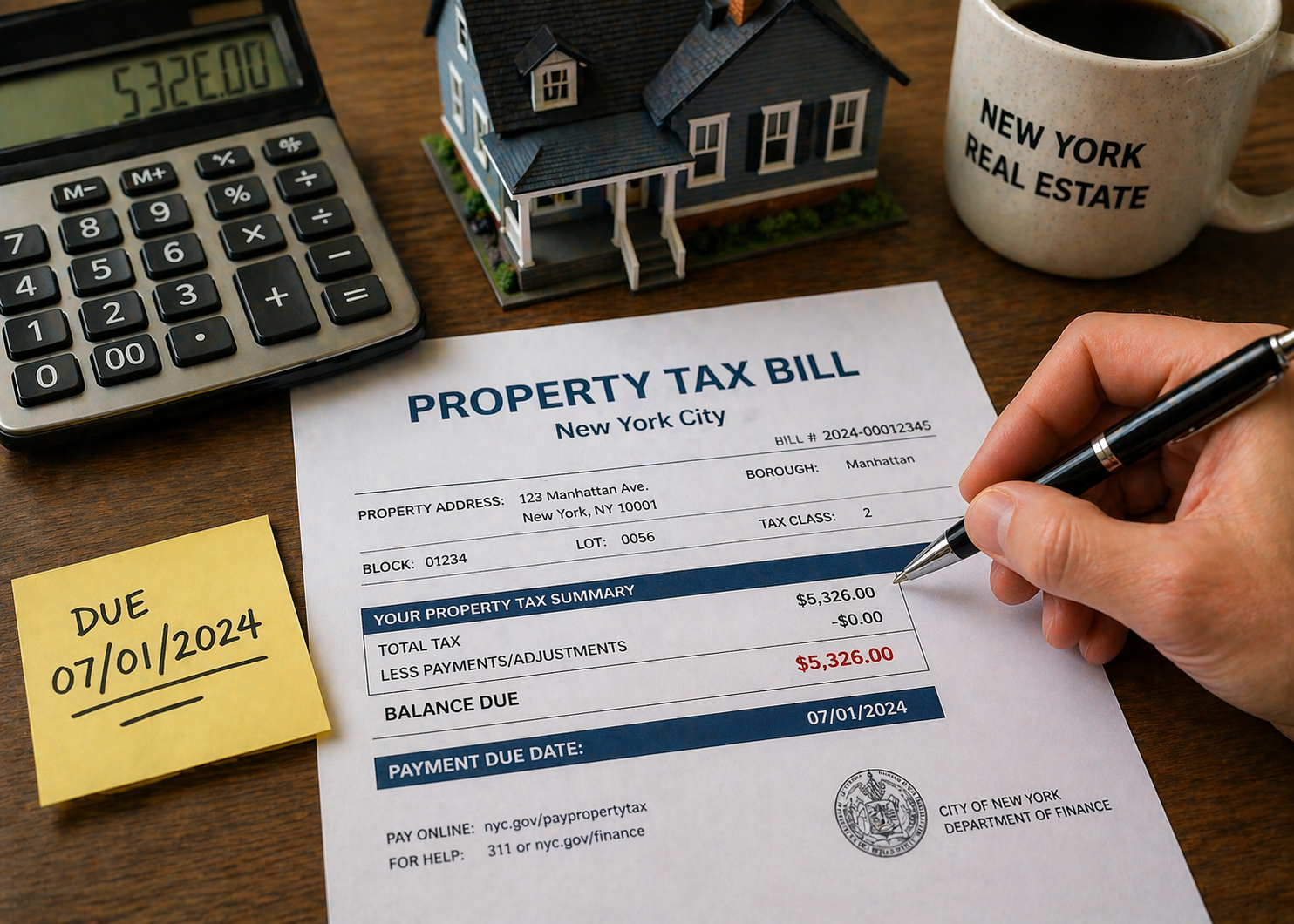
Property Tax Assessment: Unlike co-ops where taxes are bundled into maintenance, condo unit owners receive separate property tax bills. Understand current assessments and whether any abatements are expiring.
Resale Value: Take a close look at what comparable sales have been going for lately, how the market’s trending, and any building-specific factors that might impact resale value - like which floor you’re on and whether you’ve got a nice view.
Our NYC Condo Buying Process - It's Been Done Before
Step 1: Get Pre-Approved for a Mortgage and Figure Out Your Budget
The bank plays a key role in the mortgage approval process and funding your transaction, so get pre-approved for a mortgage from a lender who understands NYC condominium financing. Work out what your budget can realistically handle—condos generally require a 20% down payment, though some buildings may allow lower, while co-ops often have stricter financial requirements and higher down payments. Purchasing a condo in NYC typically requires a 10–20% down payment and hiring a real estate attorney. Be sure to budget for closing costs using tools like a NYC mortgage calculator, which are usually 2–4% of the purchase price for resales or up to 6% for new developments, along with monthly expenses like common charges and property taxes.
Step 2: Do Your Research and Find Your Perfect Condo
Identify the neighborhoods and buildings that fit your lifestyle, commute needs, and investment goals. Stanley Montfort digs deep into the numbers - median price per square foot, historical appreciation rates, and how many properties are on the market - to find the right spot for you. We're talking Manhattan, Brooklyn, Queens, and other areas.
Step 3: Put Together a Solid Offer and Negotiate the Terms
Study up on comparable sales data in the building and neighborhood to come up with a competitive offer. Stanley Montfort will hammer out the terms - contingencies for financing, inspection, and board approval - and for new construction, review the offering plan and sponsor incentives to make sure you're getting a good deal.
Step 4: Get Your Contract in Order and Do Your Due Diligence
Review all the building documents, financial statements, and condo bylaws with your real estate attorney, and start getting to the bottom of any issues. Once you're clear on what you're getting yourself into, execute the contract with confidence.
Step 5: Get Your Condo Board Application Off the Ground and Finalize the Closing
Submit your condo board application with all the necessary docs, including proof of financing and financial info. Get your mortgage in line, secure title insurance, and start making arrangements for closing day. On the big day, the funds transfer, the deed gets recorded, and you'll be holding the keys to your new place.
Success Stories from Our NYC Condo Buyers
“Stanley was a lifesaver - he helped us navigate the condo buying process and found a gorgeous two-bedroom in Tribeca that fit our budget. He broke everything down for us and made sure the negotiations were smooth sailing.”– Sarah M., First-Time Buyer
“Stanley’s investment guidance was straight-up priceless. Our Brooklyn condo has gone up 15% in just two years and the rental income is covering all our carrying costs.”– Michael K., Real Estate Investor
Frequently Asked Questions
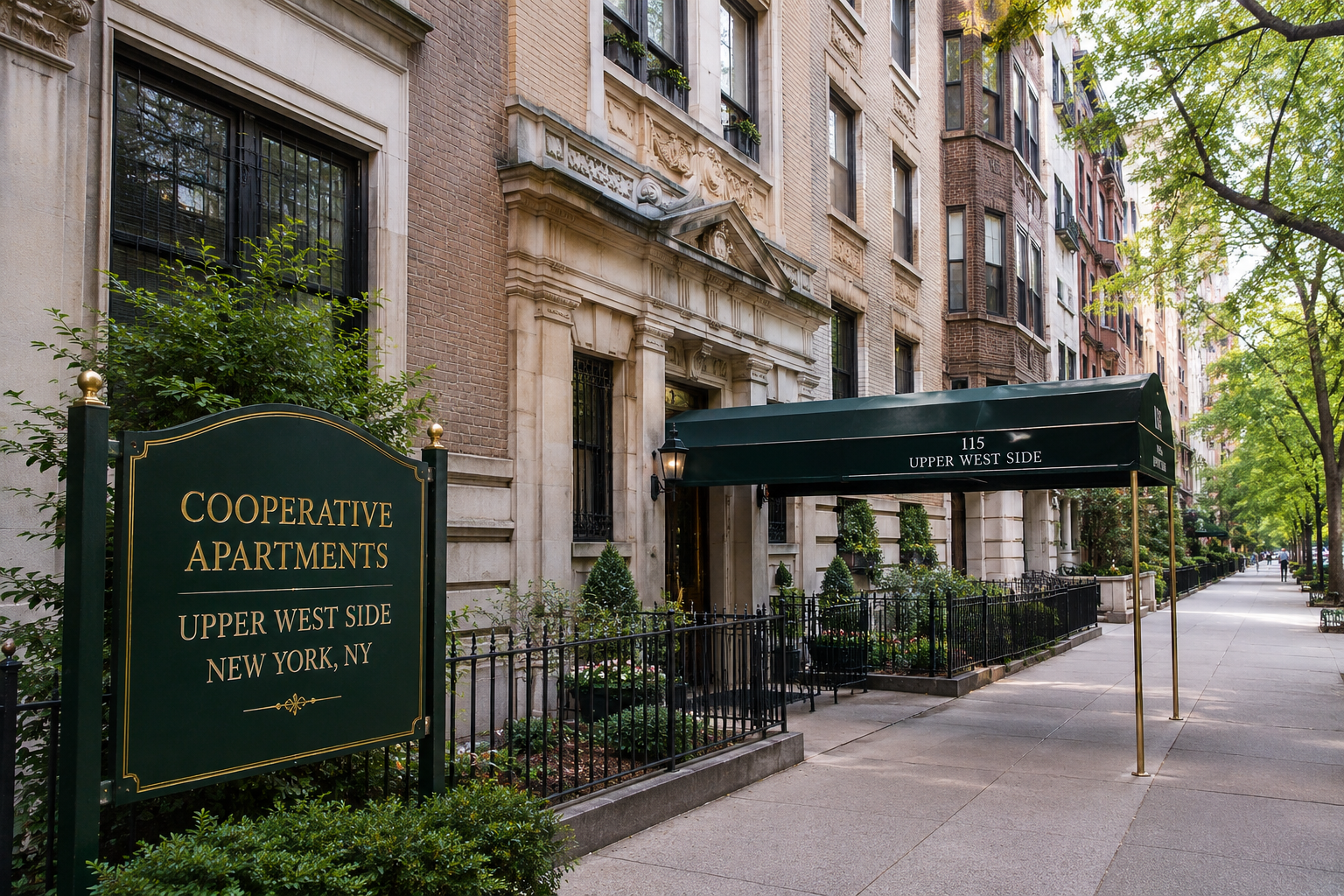
What's the difference between buying a condo and a co-op in NYC?
Well, the main thing is the ownership structure. When you buy a condo, you own the property and have a deed to your unit - plus a share of the common areas. Co-ops are a whole different ball game - you buy shares in a corporation that owns the building, and you get a proprietary lease for your apartment. Condos are way more flexible for subletting and have a simpler board approval process, but they tend to be pricier (Manhattan condos are averaging $1.67 million, while co-ops are around $850,000 at the same price tier).
How much should I budget for closing costs?
For a condo in NYC, you should set aside 4-6% of the purchase price for closing costs. For a $1 million condo, that's $40,000 to $60,000 - and that's on top of mortgage recording taxes (1.8-1.925% of the loan amount), NYC transfer tax (1-1.425%), attorney fees ($2,500-$5,000), title insurance, and several other fees. If you're buying a place at or above $1 million, you'll also have to factor in mansion tax starting at 1%. These higher closing costs compared to co-ops are offset by more flexibility and stronger appreciation, though.
Do condos require board approval like co-ops do?
Yes, but it's a different process. Condo boards mainly get to exercise the right of first refusal - that means they can match any offer that gets accepted to buy the unit themselves. In reality, though, boards rarely exercise this right. Unlike co-op boards that do personal interviews and impose strict financial requirements, condo approval is more of a formality and usually wraps up within a few weeks.
Can I rent out my NYC condo as an investment?
Generally, yes - but with way more flexibility than co-ops. Most condo buildings allow subletting with minimal restrictions - some might even require board notification or impose fees. Before you buy as an investment, though, make sure you verify the building's specific policies regarding rental percentages, minimum lease terms, and any owner-occupancy requirements. Keep in mind, though, that carrying costs in condos average about $3.28 per square foot - you'll want to factor that into your rent expectations for positive cash flow.
Start Your NYC Condo Journey Today - Get Expert Guidance
Connect with Stanley Montfort, an experienced NYC real estate agent, for personalized condo buying advice. Whether you're ready to make an offer or just starting to explore your options, Stanley will help you find the property that fits your goals and guide you through every step of the transaction.
Phone: 1-646-970-1078 Email: [email protected] Address: 8 West 126th Street, New York NY 10027
Recent News & Realtor Advice
Stay in the loop on the latest events, news, & happenings in and around our community!
Upper West Side Townhouse Q2 2024 Market Report
On the Upper West Side, we observed a distinct trend that diverges from the citywide patterns. Speci…
Harlem Brownstone Q2 2024 Market Report
The Harlem brownstone market has seen an increase in sales activity since this time last year. In Q2…
Discover Your Dream Home: Explore Apartments for Sale on the Upper West Side
Are you searching for your dream home in one of New York City’s most sought-after neighborhoods? Loo…