
Harlem SRO Realtor
Buying or selling a single room occupancy property in Harlem is not a standard residential transaction. The property you're looking at may present as a well-maintained brownstone or townhouse, but its certificate of occupancy, HPD records, tenant history, and documented legal use can create an entirely different set of challenges - from financing hurdles to valuation gaps that run hundreds of thousands of dollars. If you're entering this market without a realtor who understands these complexities, you're exposing yourself to risk that a typical residential agent isn't equipped to identify.
Stanley Montfort is an experienced Harlem SRO realtor who works with buyers, sellers, and investors navigating SRO property transactions across Central Harlem, Hamilton Heights, Sugar Hill, and Mount Morris Park. Whether you're evaluating a potential purchase, preparing an SRO for sale, or trying to understand what your property is actually worth, Stanley provides the specialized market knowledge and due diligence coordination these transactions demand.
Why Harlem SRO Buyers and Sellers Trust Stanley Montfort
Extensive track record of SRO closings across multiple Harlem neighborhoods, including properties with complex occupancy histories and regulatory considerations
Deep familiarity with HPD and DOB record analysis - the documents that determine whether a property's legal use matches what buyers and sellers assume
Established network of SRO-experienced attorneys, architects, lenders, and contractors who understand the additional layers these transactions require
Consistent results in deals where legal status, tenant considerations, or financing obstacles caused other transactions to stall or collapse
Why Choose a Specialized Harlem SRO Real Estate Agent
Most residential agents in Manhattan evaluate a property based on its physical presentation - the layout they walk through, the square footage, the renovation finishes. With Harlem SRO properties, that approach misses the factors that actually drive value, financing eligibility, and transaction risk.
Single room occupancy properties are heavily regulated in New York City. Under NYC's Housing Maintenance Code, an SRO is defined as occupancy by one or two persons in a single room or joined rooms within a multiple dwelling. A property classified as an SRO multiple dwelling triggers obligations under HPD, DOB, zoning, and lending guidelines that a conventional brownstone does not carry. Many buyers see a brownstone and assume its current layout determines its legal use - but the certificate of occupancy and city records may tell a completely different story.
Stanley's approach starts with what the records establish, not what the property looks like. This means verifying legal use before touring, identifying potential Certificate of No Harassment requirements where applicable, and assessing financing feasibility before you commit to an offer. SRO investments demand deeper analysis than traditional residential purchases, and working with a Harlem SRO realtor who understands this distinction protects both your time and your capital.
Harlem SRO Real Estate Services
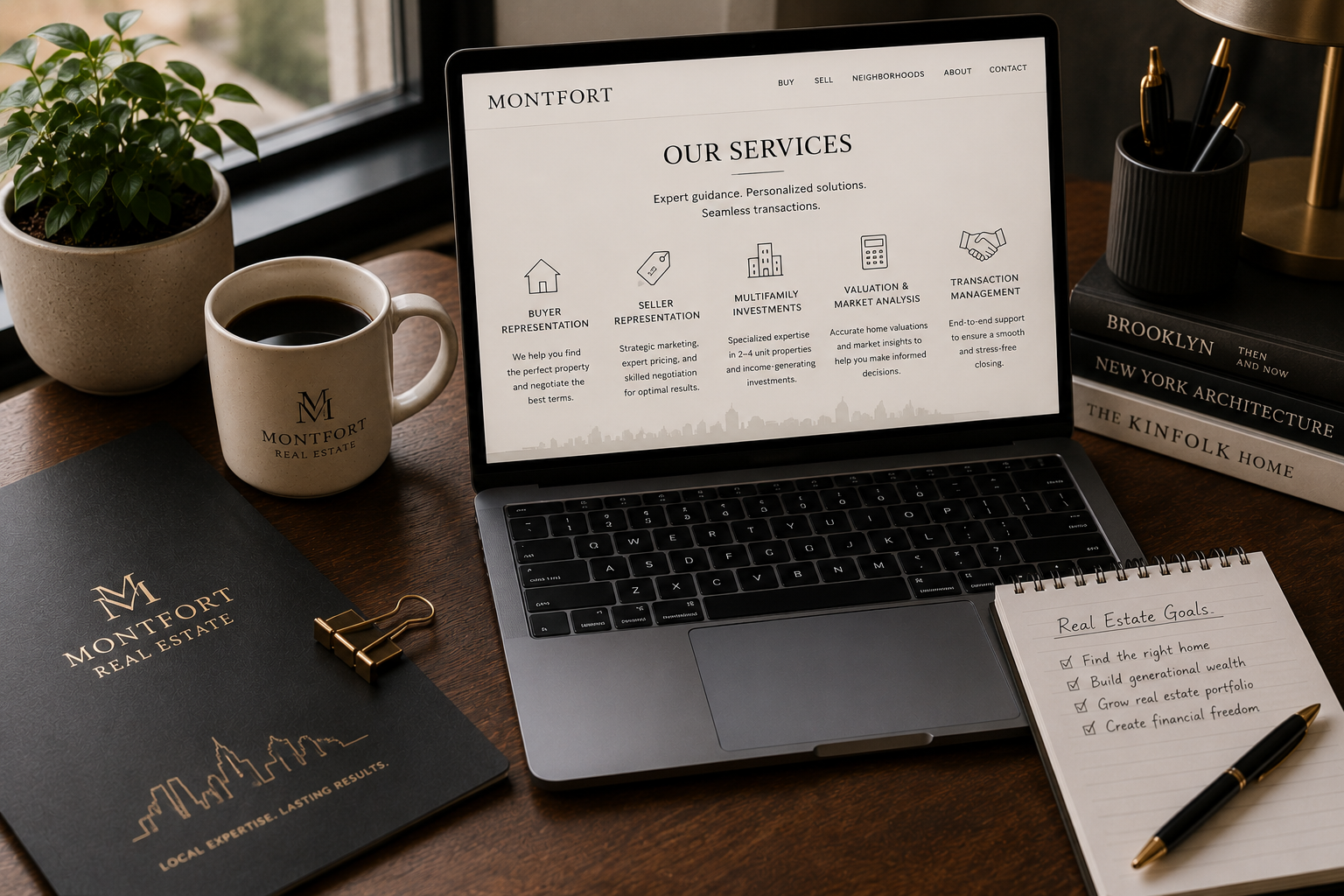
Stanley provides comprehensive buying, selling, and valuation services for SRO properties across Harlem. Every engagement begins with understanding what the property actually is - legally, physically, and financially - before developing a strategy around it.
Harlem SRO Buyer Representation
Buyers receive personalized support throughout the SRO transaction process, beginning well before an offer is made:
Certificate of Occupancy and legal use verification - confirming whether the property is classified as an SRO multiple dwelling, a Class A or Class B multiple dwelling, or another designation that affects what you can do with it
HPD and DOB records analysis - reviewing violation history, alteration permits, occupancy records, and any open enforcement actions
Property condition and building systems evaluation - assessing plumbing, electrical, heating, roof, façade, and structural components in older townhouse structures where deferred maintenance is common
Financing feasibility assessment - identifying early whether the property's classification and condition will meet lender underwriting criteria, or whether alternative financing strategies are needed
Due diligence coordination with attorneys, architects, engineers, and other professionals who understand the additional investigation SRO properties require
SRO property evaluations include zoning and occupancy status reviews that go well beyond what a standard home inspection covers. One of the first things Stanley reviews when evaluating a Harlem SRO is whether the property's documented status aligns with the buyer's intended use - because a mismatch discovered after contract signing can derail financing, delay closing, or eliminate the transaction entirely.
Harlem SRO Listing and Seller Services
Selling SRO properties requires navigating complex laws and due diligence processes that sophisticated buyers and their teams will scrutinize. When preparing an SRO for sale, Stanley focuses on:
Documentation assembly and review - gathering the current certificate of occupancy, CO amendments, previous DOB permits, HPD violation records and corrections, and occupancy history
Market positioning based on legal use and condition - pricing that reflects the property's actual regulatory status, not just comparable brownstone sales
Buyer qualification and education - ensuring prospective buyers understand the property's SRO classification and can secure appropriate financing
Strategic preparation - addressing open violations, certifying corrections with HPD and DOB, and organizing unit layouts, kitchen and bathroom configurations, and facility documentation before listing
One mistake sellers frequently make is investing in cosmetic improvements while leaving open violations, unclear permits, or missing documentation unresolved. Sophisticated SRO buyers factor these issues into their offers - often demanding significant price reductions or requiring the seller to cure deficiencies before closing.
Harlem SRO Property Valuation
SRO valuation differs fundamentally from conventional brownstone or townhouse valuation. Market value for an SRO property may be influenced by:
Documented legal use and current occupancy classification
Tenant status and any applicable rent stabilization considerations - SRO buildings with more than six units built before 1969 are usually subject to rent stabilization laws
Whether the property is delivered vacant or with existing tenants
Building condition, systems, and façade integrity
Financing availability for the property's specific classification
Renovation requirements and realistic conversion potential
The buyer pool that will realistically compete for the property
The value of SRO properties decreases significantly when occupied by non-paying or protected tenants, and an SRO without a valid Certificate of No Harassment can lose significant market value. In one documented case study at 134 W 121st Street, obtaining a CONH enhanced value by approximately $138 per square foot - amounting to roughly $850,000 more compared to similar properties without one. That kind of differential makes clear why an experienced Harlem SRO realtor investigates these factors before arriving at a pricing recommendation.
How Stanley Evaluates Harlem SRO Properties
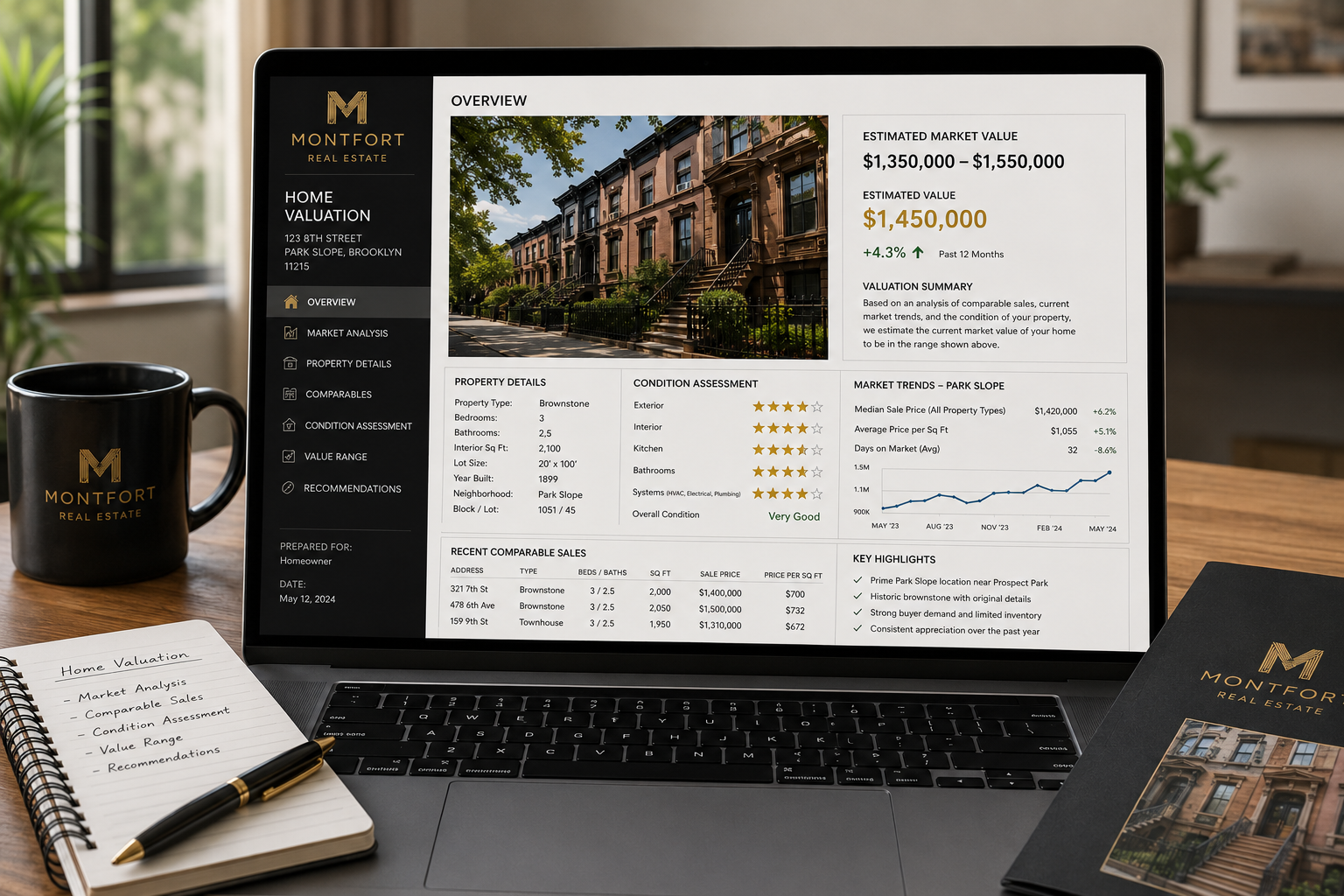
Every SRO transaction Stanley handles follows a structured evaluation process designed to surface issues that standard residential due diligence misses. Navigating Harlem SRO transactions requires understanding complex regulations, and this process ensures that nothing critical is overlooked.
Property Records and Legal Status Review
Before scheduling a physical viewing, Stanley verifies the property's documented status:
Certificate of Occupancy analysis - confirming permitted legal use, occupancy type, floor designations, and whether a current or amended CO exists. For pre-1938 buildings where no prior CO was required, proof may come through a Letter of No Objection
HPD and DOB records investigation - reviewing historic violations, complaints, permits for alterations, and whether the property is listed as an SRO multiple dwelling
Occupancy history and tenant considerations - examining lease history, rooming unit arrangements, permanent versus transient tenant status, and any rent regulation implications. Specialized knowledge of tenant rights and compliance is important when dealing with SRO properties
This stage of the process often reveals issues that change the entire trajectory of a transaction. Many buyers are surprised to learn that a property displayed as a renovated townhouse carries an SRO classification in city records - a discovery that affects financing, insurance, and future resale.
Physical Property Assessment
Harlem's SRO inventory sits largely within older townhouse and brownstone structures built in the mid-19th to early 20th century. Stanley evaluates:
Façade and masonry condition - pointing deterioration, lintel cracking, waterproofing failures common in aging brownstone construction
Building systems - plumbing (often galvanized pipes in need of replacement), electrical capacity, heating system type and condition, roof integrity
Interior configuration - number and layout of rooms, whether units have private versus shared kitchens and bathrooms, common area condition, emergency egress compliance
Previous alterations - evidence of unpermitted work, removed walls, combined or divided spaces that don't match DOB records
Renovation or conversion of SRO buildings often involves strict compliance with building codes, and cosmetic renovation does not resolve underlying structural or systems deficiencies. Stanley ensures clients understand the full scope of physical work a property may require.
Market Strategy and Transaction Coordination
Once legal status and physical condition are established, Stanley develops a transaction strategy tailored to the property:
Financing strategy - determining whether conventional lending is viable or whether bridge loans, private lenders, or institutional lenders experienced with regulated housing are needed
Negotiation approach - leveraging findings from records review and physical assessment to negotiate pricing that reflects actual property characteristics, not aspirational brownstone comparisons
Professional team coordination - Harlem SRO services include coordination with attorneys and contractors, along with architects and engineers, to ensure every aspect of due diligence is completed before contingency deadlines
Recent Harlem SRO Transactions
Recent sales in the Harlem SRO market illustrate how legal status, documentation, and property preparation directly affect pricing:
611 West 142nd Street, Hamilton Heights - A vacant SRO townhouse with DOB-approved plans for eight units and a Certificate of No Harassment in hand sold for $1,330,000, approximately $461 per square foot across roughly 2,880 square feet. The combination of vacant delivery, approved conversion plans, and secured CONH commanded a premium that properties without these elements simply don't achieve.
124 West 131st Street, Central Harlem - This SRO property was delivered vacant at a sale price of $1,125,000 for approximately 3,456 square feet - roughly $325 per square foot. The lower per-square-foot figure likely reflects fewer approved alterations or less favorable legal documentation compared to properties with conversion-ready status.
According to Harlem Lofts market data from 2019–2020, 16 SRO property sales in Upper Manhattan totaled approximately $28.3 million, with SRO townhouses averaging around $467.84 per square foot - significantly lower than one- or two-family townhouses in the same areas and time period. These figures establish a baseline, but individual property value depends heavily on legal status, occupancy, condition, and documentation.
The spread between $325 and $461 per square foot in the transactions above - a difference driven primarily by legal preparation and CONH status - demonstrates why working with a Harlem SRO realtor who understands these value drivers matters. Harlem SROs offer redevelopment opportunities for buyers and investors, but only when the regulatory and documentation groundwork supports the intended strategy.
Harlem Areas We Serve for SRO Real Estate
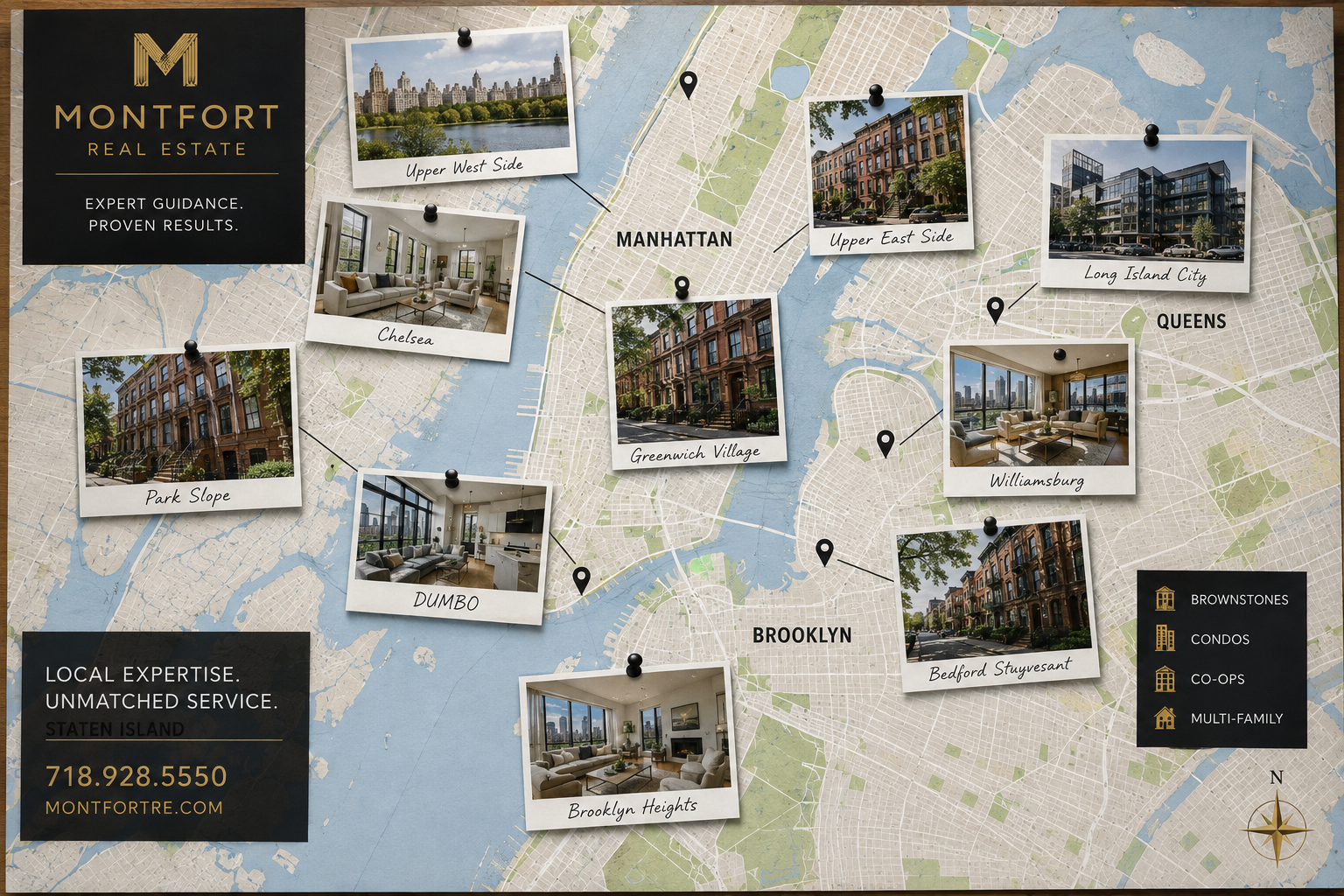
Harlem's SRO inventory varies significantly by neighborhood. Understanding these differences helps buyers target properties that match their strategy and helps sellers position their properties for the right buyer pool.
Central Harlem - The densest concentration of SRO townhouses and brownstones, with older housing stock and a higher incidence of existing SRO designations. Buyers should expect more legal complexity, mixed occupancy histories, and properties with pre-1938 elements. This area attracts both investors evaluating long term hold strategies and developers considering conversion.
Hamilton Heights - Features wider brownstones and townhouses, many located within historic districts. Properties here may involve Landmark Preservation Commission review for alterations affecting façades or front windows, adding another layer of approval to renovation or redevelopment plans.
Sugar Hill - Historic district restrictions are particularly relevant here. Harlem's historic architecture attracts investors to SRO properties in this area, but any changes affecting exterior appearance require landmark approval, which affects timeline and cost for buyers considering alterations.
Mount Morris Park - Blocks of mid-19th to early-20th century brownstones include former SROs and converted properties. Vacant possession deals are more common in this area, and price per square foot tends higher for legally conforming, well-maintained properties.
Other Harlem Neighborhoods - SRO properties exist throughout greater Harlem, including areas of West Harlem and upper reaches near Washington Heights. Each neighborhood presents different inventory characteristics, buyer demand levels, and comparable sale profiles.
Frequently Asked Questions About Harlem SRO Real Estate
How are Harlem SRO properties valued differently from regular brownstones?
SRO valuation cannot rely simply on price per square foot drawn from neighborhood-wide brownstone sales. The documented legal use, current occupancy status, tenant protections, building condition, financing availability, and realistic buyer pool all influence what an SRO property is worth. A vacant SRO with a Certificate of No Harassment and approved conversion plans may trade at $450+ per square foot, while a similar-sized property without those elements might sell for $325 per square foot or less. SRO properties can involve complicated financing and valuation issues that conventional brownstones don't present, which is why accurate valuation requires a Harlem SRO real estate agent with direct transaction experience.
What financing options are available for Harlem SRO purchases?
Properties with an SRO classification, unusual legal configuration, or conversion plans may not meet the underwriting criteria of conventional residential lenders. Many traditional lenders are wary of buildings with non-standard legal use, missing or outdated certificates of occupancy, or outstanding violations. Buyers should investigate financing feasibility early - before making an offer - rather than waiting until contract stage to discover their lender won't approve the property. Options may include lenders experienced with rent-stabilized or regulated buildings, bridge financing, or private lending arrangements. Stanley can connect buyers with lenders who have successfully closed SRO transactions, but specific loan products depend on individual property circumstances.
Do all Harlem SRO properties require a Certificate of No Harassment?
No. CONH requirements apply to specific categories of proposed work on SRO multiple dwellings - such as altering unit layouts, changing the number of dwelling units, modifying kitchens or bathrooms, or demolition. Whether a particular property and project triggers the requirement depends on the scope of proposed changes and the property's classification. Obtaining a Certificate of No Harassment is crucial for SRO transactions in NYC where covered work is planned, because without it, DOB will not issue permits. Stanley recommends property-specific consultation with qualified attorneys to determine whether CONH applies to your situation.
Can I convert a Harlem SRO into a single-family home?
Conversion potential depends on numerous factors that must be evaluated on a property-specific basis: the current certificate of occupancy, documented legal use, occupancy history, tenant considerations, building code requirements, zoning, Certificate of No Harassment requirements where applicable, and landmark restrictions for properties in historic districts. Do not assume that any SRO can be readily converted - the process may involve significant regulatory, legal, and construction requirements. Stanley coordinates with attorneys, architects, and other professionals to help clients understand what a specific property's conversion path may realistically involve before committing to a purchase.
What should I expect during SRO due diligence?
SRO due diligence goes substantially beyond a standard home purchase. Expect investigation into the certificate of occupancy, HPD and DOB records, occupancy and tenant history, open violations, alteration permits, building condition assessments of older structural and mechanical systems, financing verification, and - depending on your intended use - preliminary review of conversion or renovation feasibility. This process typically involves coordination among your realtor, attorney, architect, engineer, and lender. Stanley manages this coordination to ensure that each professional's work product informs the others, so you have a complete picture before making critical decisions.
NYC's Shared Housing Roadmap has also introduced evolving policy around shared housing including SROs, which may influence both regulatory requirements and investor interest going forward. SRO properties in Harlem often have strong long-term growth potential, but realizing that potential depends on thorough upfront investigation.
Start Your Harlem SRO Real Estate Transaction
Every Harlem SRO property is different - in its legal status, physical condition, tenant situation, financing options, and market value. Generic advice doesn't apply here. What matters is how the specific property you're considering or selling aligns with your goals, your timeline, and the realities of this specialized market.
If you're ready to buy, sell, or obtain a realistic valuation of a Harlem SRO property, contact Stanley Montfort. Whether you're an owner looking to sell, a buyer evaluating your first SRO acquisition, or an investor assessing redevelopment potential, Stanley provides the property-specific guidance these transactions require.
Phone: 1-646-970-1078 Email:[email protected] Address: 8 West 126th Street, New York NY 10027
Recent News & Realtor Advice
Stay in the loop on the latest events, news, & happenings in and around our community!
Upper West Side Townhouse Q2 2024 Market Report
On the Upper West Side, we observed a distinct trend that diverges from the citywide patterns. Speci…
Harlem Brownstone Q2 2024 Market Report
The Harlem brownstone market has seen an increase in sales activity since this time last year. In Q2…
Discover Your Dream Home: Explore Apartments for Sale on the Upper West Side
Are you searching for your dream home in one of New York City’s most sought-after neighborhoods? Loo…