
We’ll help you purchase the right Upper East Side townhouse by identifying hidden maintenance concerns, evaluating long-term ownership costs, and ensuring you make a confident investment
Smooth transaction with limited risk
No pressure to over pay and buy within a certain time period
A team of people that will be with you even after the transaction is complete
Live listing data provided by OLR IDX. Need help? Contact us or log in to your customer account.
Buying or selling an Upper East Side townhouse is not a standard Manhattan real estate transaction. A townhouse on the upper east side presents a set of complexities that condominiums and co-ops simply do not - legal configuration questions tied to the Certificate of Occupancy, block-by-block valuation differences that can shift a property's worth by millions, width and lot dimensions that reshape what's actually possible inside the building, and landmark restrictions that govern what you can change on the exterior. Whether you're evaluating a 20-foot-wide brownstone on a quiet East 70s sidestreet or preparing to list a double-wide limestone off Fifth Avenue, working with a realtor who specializes in Upper East Side townhouse transactions - not general Manhattan apartment sales - is the difference between a confident decision and an expensive mistake.
Stanley Montfort provides dedicated buyer and seller representation for upper east side townhouses, offering property-specific valuation, due diligence coordination, legal configuration analysis, and negotiation strategies built around the realities of this market. Contact Stanley directly to discuss your townhouse purchase, sale, or property evaluation.
Focused specifically on townhouse, brownstone, and limestone transactions across the Upper East Side - not a generalist covering every property type in Manhattan
Proven track record with both single-family and multifamily townhouse sales, including properties requiring Certificate of Occupancy analysis and legal configuration review
Deep familiarity with historic district regulations and Landmarks Preservation Commission requirements affecting exterior modifications, façade restoration, and rooftop additions
Direct experience coordinating inspections, structural evaluations, and building-systems assessments through a network of specialized engineers, architects, attorneys, and contractors
An Upper East Side townhouse realtor needs to evaluate far more than asking price and square footage. Stanley brings block-specific market knowledge stretching from Fifth Avenue to Lexington Avenue, grounded in how width, depth, lot dimensions, legal use, renovation quality, and architectural integrity interact to determine what a property is actually worth - and who will buy it.
Property-specific comparable sales analysis rather than reliance on broad neighborhood averages. Two townhouses with similar square footage on the same block can be fundamentally different assets based on width, legal configuration, condition, and outdoor space.
Comprehensive due diligence coordination covering building systems, structural condition, roof, plumbing, electrical, HVAC, waterproofing, façade, and elevator - not just cosmetic finishes. Independent professionals should investigate physical conditions before purchasing a townhouse.
Legal configuration expertise to identify mismatches between how a building appears and how it's legally documented, protecting buyers from financing issues and sellers from undervaluation.
A curated network of townhouse specialists including structural engineers, landmark-experienced architects, real estate attorneys, and renovation contractors who understand the specific demands of Upper East Side properties.
One of the first things Stanley reviews when evaluating an Upper East Side townhouse for a buyer is the gap between what the listing presents and what the property records actually document. A Certificate of Occupancy determines the legal configuration of a property - and that configuration affects financing eligibility, renovation scope, rental potential, and future resale strategy. Purchasing a townhouse involves owning both the structure and the land, which means the buyer assumes responsibility for every building system, every permit, and every outstanding violation.
Stanley's buyer representation includes:
Full review of the Certificate of Occupancy, deed, zoning classification, landmark status, prior permits, and open violations through the NYC Department of Buildings, which maintains records for properties including permits and violations
Physical evaluation of width, lot depth, number of stories, ceiling heights, architectural details, natural light, and exposure
Coordination of inspections from specialized engineers or architects covering structural, mechanical, façade, roof, windows, waterproofing, and elevator systems
Guidance on single-family versus multifamily considerations, including financing requirements, buyer pool, and conversion potential
Negotiation strategies that consider comparable sales and seller motivations, not just list price
Townhouses bypass co-op board approvals compared to co-op or condo purchases, but the townhouse buying process involves multiple professionals to ensure thorough due diligence and investigations. Stanley coordinates that entire process.
Before recommending an asking price, Stanley evaluates exact block positioning, building width, lot dimensions, legal configuration, renovation quality, architectural integrity, elevator access, outdoor space, and highly comparable townhouse sales. Broad neighborhood averages alone may produce an inaccurate valuation - the median listing price in Upper East Side is $1.7M, but that figure blends condos, co-ops, and townhouses into a single number that tells a townhouse seller very little about their specific property.
Listing services include:
Accurate valuation based on width, depth, renovation quality, legal configuration, and directly comparable townhouse transactions
Strategic positioning for the correct buyer pool - whether single-family owner-occupiers, multifamily investors, or developers evaluating combination potential
Marketing that emphasizes architectural details, property-specific advantages, and legally verified attributes rather than generic luxury language
Pre-market preparation guidance to address deferred maintenance, clarify legal status, and resolve open DOB violations, which can hinder the selling or refinancing process for properties
Two Upper East Side townhouses with similar reported square footage may be fundamentally different assets. A 20-foot-wide brownstone with a garden-level apartment and a 25-foot-wide limestone with an elevator, rear garden, and roof terrace require entirely different valuation approaches - even if they sit on the same block.
Stanley's valuation process considers:
Legal configuration and conversion potential - is the property documented as single-family, two-family, or multifamily, and does that match the actual layout?
Renovation quality beyond cosmetic finishes - has the plumbing been updated, are the electrical systems modern, what condition is the roof in, and have any major mechanical systems been deferred?
Building dimensions that directly affect usability: width, depth, ceiling heights, floor count, and total lot area
Architectural integrity and the presence of original details - fireplaces, mantels, millwork, stoops, original floors, and façade condition - as factors influencing buyer appeal and marketability
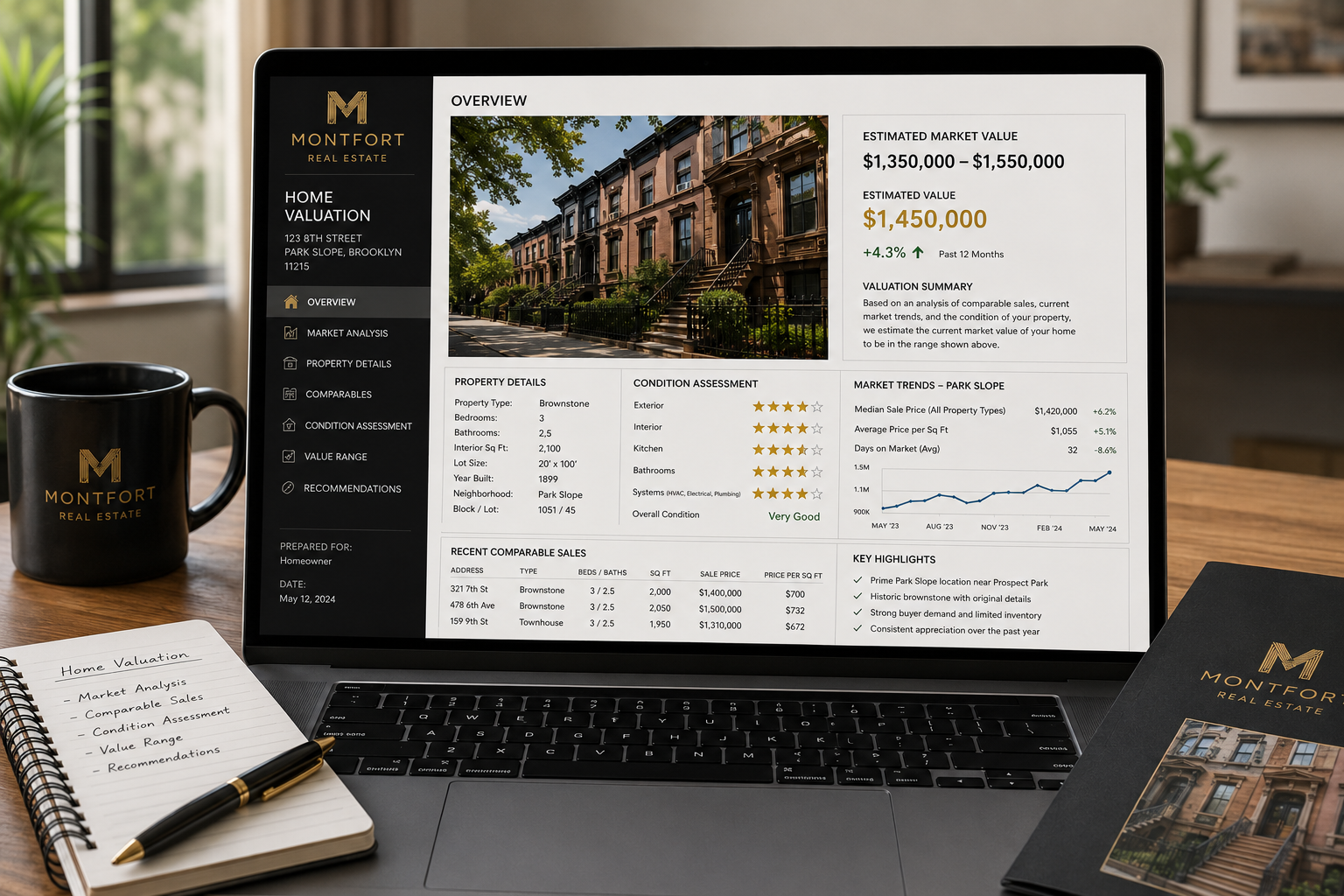
Stanley begins every engagement by pulling property records: the Certificate of Occupancy, deed, zoning classification, landmark designation, prior permits, and any open violations. Open DOB violations can delay or complicate a transaction, and legal configuration mismatches between the CoO and the building's actual layout create risks that need to be identified before an offer or listing price is set.
The physical evaluation covers building width and lot depth (many historic UES rowhouses have lots approximately 102 feet deep), number of stories, façade material and condition, stoop, windows, roof, and exposure. For taller townhouses, Stanley assesses vertical circulation - whether stairs and elevator placement work within the building's width, or whether they compromise usable floor area.
Townhouse comparable sales analysis on the upper east side requires far more granularity than condo or co-op comparisons. Stanley adjusts for:
Exact block and street type - avenue-adjacent versus midblock sidestreet
Width and lot frontage - standard UES townhouses measure approximately 16–20 feet wide, while properties above 25 feet enter a premium tier that commands significantly higher values
Legal configuration - single-family, two-family, or multifamily
Renovation condition - turnkey modern renovations command higher premiums than properties needing structural work
Landmark status - properties within the Upper East Side Historic District versus those outside
Architectural style - brownstone versus limestone versus brick
Outdoor space - gardens, terraces, roof decks, and the rare private garage or curb cut
When comparable sales are limited - as they often are for trophy-width or landmark townhouses - Stanley draws on transactions across adjacent blocks and adjusts for the specific variables that move value in this market.
For buyers, Stanley provides guidance on offer strategy, due diligence priorities, and negotiation approach. It's important to assess the total cost of ownership beyond the purchase price of the townhouse - the Mansion Tax in NYC ranges from 1% to 3.9% for properties over $1 million, Real Property Transfer Tax applies to property transfers in NY varying by property type and transaction value, and townhouses often require substantial liquid cash reserves for purchases.
For sellers, Stanley advises on pricing, positioning, and pre-market preparations. Average days on market for townhouses in NYC is about 300 days - significantly longer than condos or co-ops - which makes accurate initial pricing critical. The buyer's market in UES sees homes selling below asking price on average, so strategic positioning based on genuine comparable data prevents extended marketing periods.
The Upper East Side townhouse market is experiencing a 5% year-over-year price increase, with H1 2026 sales volume reaching approximately $447.45 million - up roughly 32.7% year over year. The average sale price for UES townhouses in that period jumped to approximately $13.98 million, while the average price per square foot rose to approximately $1,797. Upper East Side homes sell for $1.4K per square foot across all property types, but townhouse pricing operates on different fundamentals than the broader market.
Currently, there are 17 townhouses for sale or rent on the upper east side. The most expensive townhouse is listed at $28,995,000. Active for-sale listings decreased by 18.78% month-over-month, while for-sale inventory increased by 26.95% year-over-year - a dynamic that creates both opportunity and complexity for buyers and sellers. Townhouses average 79 days on the market in this area, though many well-located UES townhouses sell for significant premiums while others sit considerably longer depending on condition, pricing accuracy, and legal clarity.
Stanley's recent experience includes navigating complex deals involving legal configuration issues, renovation challenges, and landmark compliance. Whether the transaction involves a brownstone requiring façade restoration or a limestone with an elevator installation, Stanley evaluates the entire building - structure, systems, legal status, and market position - rather than relying on surface-level presentation.
One mistake I frequently see townhouse buyers make is confusing expensive interior finishes with comprehensive building renovation. Before assigning value to a renovation, it's essential to verify whether the work extended to plumbing, electrical, HVAC, roof, masonry, windows, waterproofing, and structural components. A beautifully staged kitchen means very little if the roof needs replacement or the boiler is original.
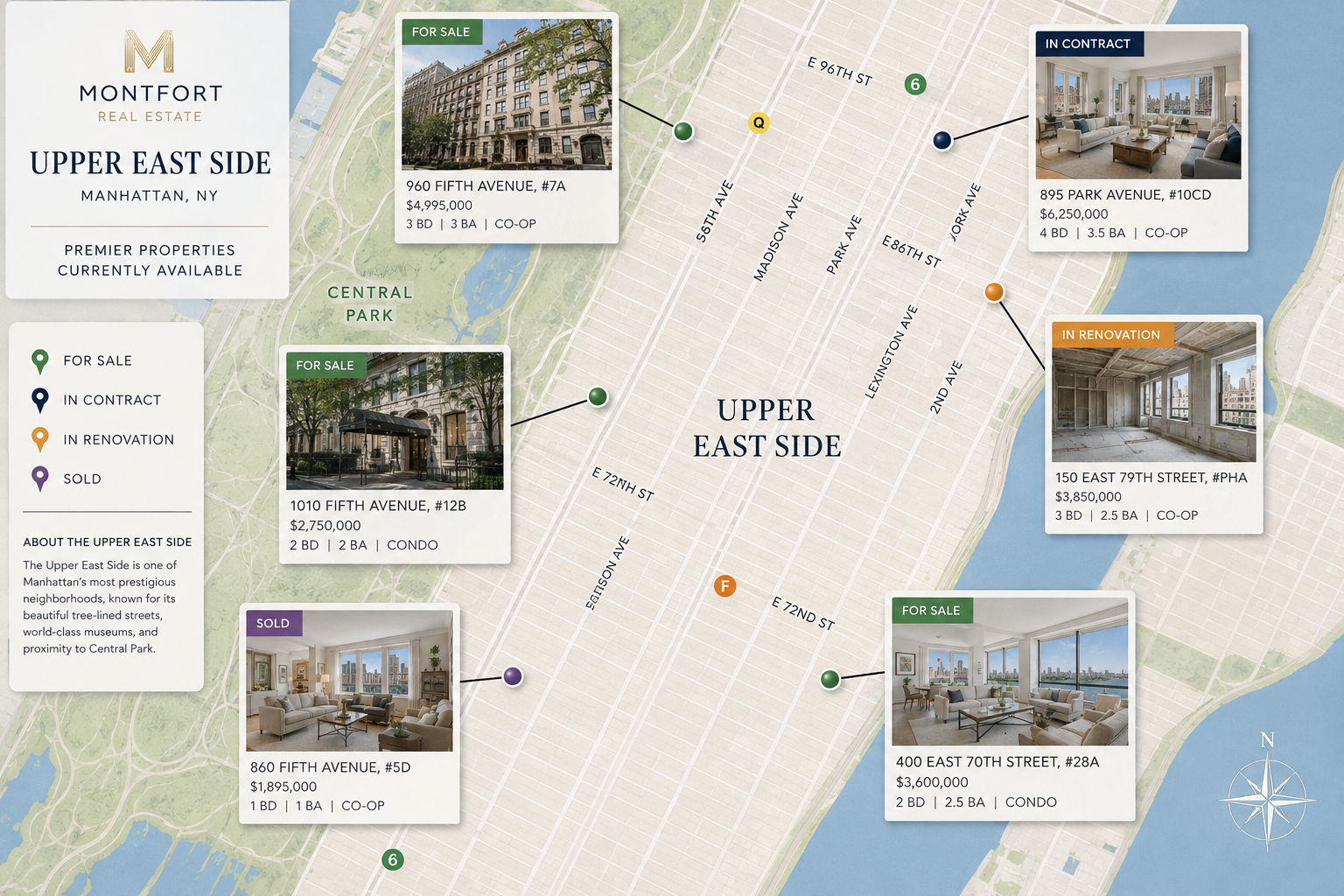
The East 60s corridor from Fifth Avenue to Lexington Avenue offers a mix of single-family and multifamily townhouse inventory, often at moderate widths. Proximity to museums, transportation, and amenities drives demand, though many properties in this area require renovation. Stanley evaluates these listings for their conversion potential, legal configuration, and realistic renovation scope relative to comparable sales on the same blocks.
The East 70s contain some of the upper east side's most sought-after townhouse blocks. Deeper lots, well-preserved limestone and brownstone façades, and strong architectural integrity characterize this micro-market. Inventory is more constrained here, and combination townhouses - where two adjacent properties have been merged to create widths approaching 40 feet - are exceptionally rare. A recent sale at 160 East 81st Street, a double-wide property of approximately 40 feet and 7,675 square feet, closed at approximately $26 million, illustrating the premium that width and scale command.
The East 80s continue the pattern of constrained inventory and premium pricing. Both single-family and multifamily configurations are found here, and buyers should expect strict landmark oversight on many blocks. Stanley's analysis for this area weighs avenue adjacency, street character, and traffic patterns alongside the physical property - a quiet midblock location with cross-light exposure can outperform an avenue-facing property despite similar dimensions.
Carnegie Hill offers grander-scale townhouses with particularly high architectural consistency and landmark density. Navigating landmark restrictions is crucial when purchasing Upper East Side townhouses in this area, as the Landmarks Preservation Commission regulates any exterior modifications to properties in historic districts. Buyer expectations in Carnegie Hill are exceptionally strong for quality restoration and modern building systems - townhouse buyers often prioritize properties with modern smart-home integrations alongside preserved period details.
Properties adjacent to Fifth Avenue and facing Central Park command the highest premiums, but proximity alone does not guarantee equivalent value. Stanley evaluates how exact block positioning, building scale, architecture, façade condition, lot dimensions, legal configuration, and comparable transactions interact with location. A 25-foot-wide landmarked townhouse off Fifth Avenue in the Historic District - built in 1925, approximately 11,000 square feet on a lot of roughly 2,521 square feet - recently listed at $21 million, reflecting how width, location, and landmark status converge at the upper end of the market.
Blocks within the Upper East Side Historic District trade differently from those just outside it. Properties outside the district may offer more renovation flexibility and a lower regulatory burden, but potentially face future designation risk. Stanley advises clients on how designation affects renovation planning, maintenance expectations, and long-term marketability.
Townhouse valuation requires an entirely different framework than condominium pricing. Width is a primary value driver - standard UES townhouses measure approximately 16–20 feet, while anything above 25 feet enters trophy territory. Legal configuration, renovation quality, building condition, lot dimensions, outdoor space, elevator access, and highly comparable townhouse transactions all contribute. Average Manhattan luxury sale prices are approximately $3.19 million, but that figure includes condos and co-ops and provides little guidance for a townhouse-specific analysis. Stanley evaluates each property against directly comparable townhouse sales, adjusting for the specific variables - block, width, depth, condition, legal use - that actually move value.
A Certificate of Occupancy determines the legal configuration of a property - whether it's documented as single-family, two-family, or multifamily. The legal configuration may not match the building's apparent layout. This matters for financing (lenders underwrite based on legal use), taxation, renovation permits, rental potential, and resale. Before assigning value to a property's layout or income potential, Stanley reviews the CoO and relevant property records to identify any mismatches or compliance issues. Undocumented or nonconforming configurations pose real risk - a building containing apartments that aren't reflected in the CoO can create problems post-closing.
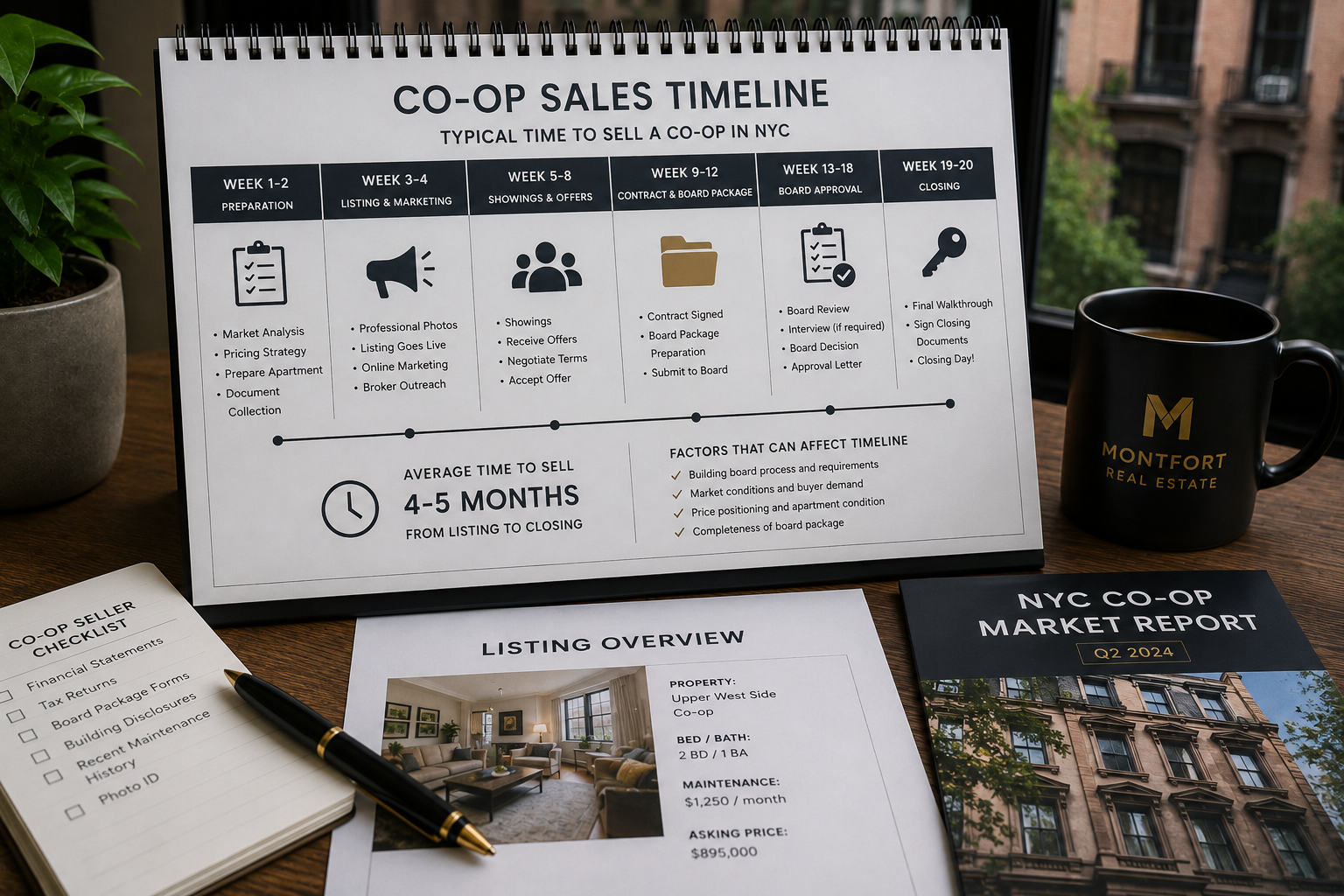
Median days on market for homes in the upper east side is 79 days, but average days on market for townhouses in NYC is about 300 days. The gap reflects the smaller buyer pool, higher price points, and greater complexity of townhouse transactions. Properties with clear legal configuration, strong renovation quality, accurate pricing, and resolved violations sell faster. Properties with ambiguous legal status, deferred maintenance, or unrealistic pricing sit. Stanley's pre-market preparation process addresses these factors before listing to find the right buyer efficiently.
Single-family townhouses offer complete privacy and floor-plan continuity across all levels. They're typically easier to finance for owner-occupiers. Multifamily townhouses may include rental units generating income, but they involve different financing requirements, separate legal configurations, and a distinct buyer pool that includes investors. The median rent price in Upper East Side is $5.2K per month, which gives multifamily owners meaningful income potential - but conversion between configurations is legally complex and requires CoO amendments, DOB approval, and potentially landmark review. Stanley advises clients on which configuration best serves their objectives rather than assuming one structure automatically creates higher value.
It's important to assess the total cost of ownership beyond the purchase price. The Mansion Tax ranges from 1% to 3.9% for properties over $1 million. Real Property Transfer Tax applies to property transfers in NYC, varying by property type and transaction value. Beyond closing costs, townhouse owners should budget for ongoing building maintenance - roof, façade, mechanical systems, insurance - and potential renovation. Upper East Side rental listings fell by 28.35% year-over-year, which may affect income projections for multifamily configurations. Stanley helps buyers model realistic carrying costs based on the specific property's condition and configuration.
The Landmarks Preservation Commission regulates any exterior modifications to properties in historic districts, including changes to façades, windows, roofing, stoops, cornices, and rooftop additions. Even seemingly minor alterations - replacing windows, adding a rooftop bulkhead, or modifying a rear extension - require a Certificate of Appropriateness or Certificate of No Effect before the Department of Buildings will issue permits. This affects renovation timelines, costs, and what's physically achievable. Stanley helps clients understand these constraints during evaluation rather than discovering them after purchase.
Whether you're buying your first townhouse on the east side, selling a multifamily brownstone, or evaluating a landmark limestone for its true market position, the analysis needs to be property-specific. Neighborhood averages, listings from firms like Platinum Forbes Global Properties, Sotheby's International Realty, the Modlin Group, Compass, or Leslie Garfield all provide useful market context - but the decision to buy or sell a specific townhouse depends on its exact dimensions, legal configuration, physical condition, block positioning, and comparable transactions.
Stanley Montfort provides the specialized Upper East Side townhouse expertise that protects buyers from hidden risks and positions sellers for accurate, effective results. Every recommendation is grounded in the specific property, the specific block, and the specific objectives of the client.

 Posted on Google
Stanley Montfort represented me in the sale of my home in Hamilton Heights. He is professional in his approach and brings his warm, personable demeanor into all his interactions. I selected Stanley to represent me after doing a thorough analysis of realtors in the Hamilton Heights area looking at number of closed tra…
 Posted on Google
Stanley was great to work with. He worked with our schedule, took the time to understand our priorities, showed us a range of properties in different areas that could suit our needs and helped us strategize our approach. He was also a great resource in helping us find local connections for inspections, repairs, etc.…
 Posted on Google
Thank you for a streamlined process from start to finish ensuring the right place was found and secured without haste!
 Posted on Google
We had a great experience working with Stanley. He taught us a lot about the specific market we were looking in, which enabled us to make a very good decision on purchase of a new home.
 Posted on Google
Stanley was the dream real estate agent we didn’t know we deserved! From the beginning he was attentive to our curiosity to help us figure out what type of property we wanted - and could afford. Throughout the process he was a calm and patient presence in our lives, offering us sincere and sage perspectives to keep u…
 Posted on Google
Stanley is amazing! No one knows the Harlem market better than him, and his deep expertise was a tremendous resource. He taught me along the way how to spot 'red flags' and talked me out of making an offer on a place that seemed amazing but had, upon his close inspection, evidence of poor workmanship and lots of cut co…
 Posted on Google
Stan is extremely knowledgeable and professional. He also has the utmost patience! He helped me sell my home and purchase a condo at the same time. My home had all types of special contingencies but he was able to find me a buyer and get me very close to the price I wanted. I was very specific in terms of the property…
 Posted on Google
Stanley is the consummate professional! He made sure my listing has excellent and consistent foot traffic and quality candidates for our showings. This sale had some challenges, but Stanley never wavered. Ultimately we were successful and I’ll use him again and again for future real estate transactions.
Practical guides from Stanley Montfort on buying, selling, and pricing NYC homes.
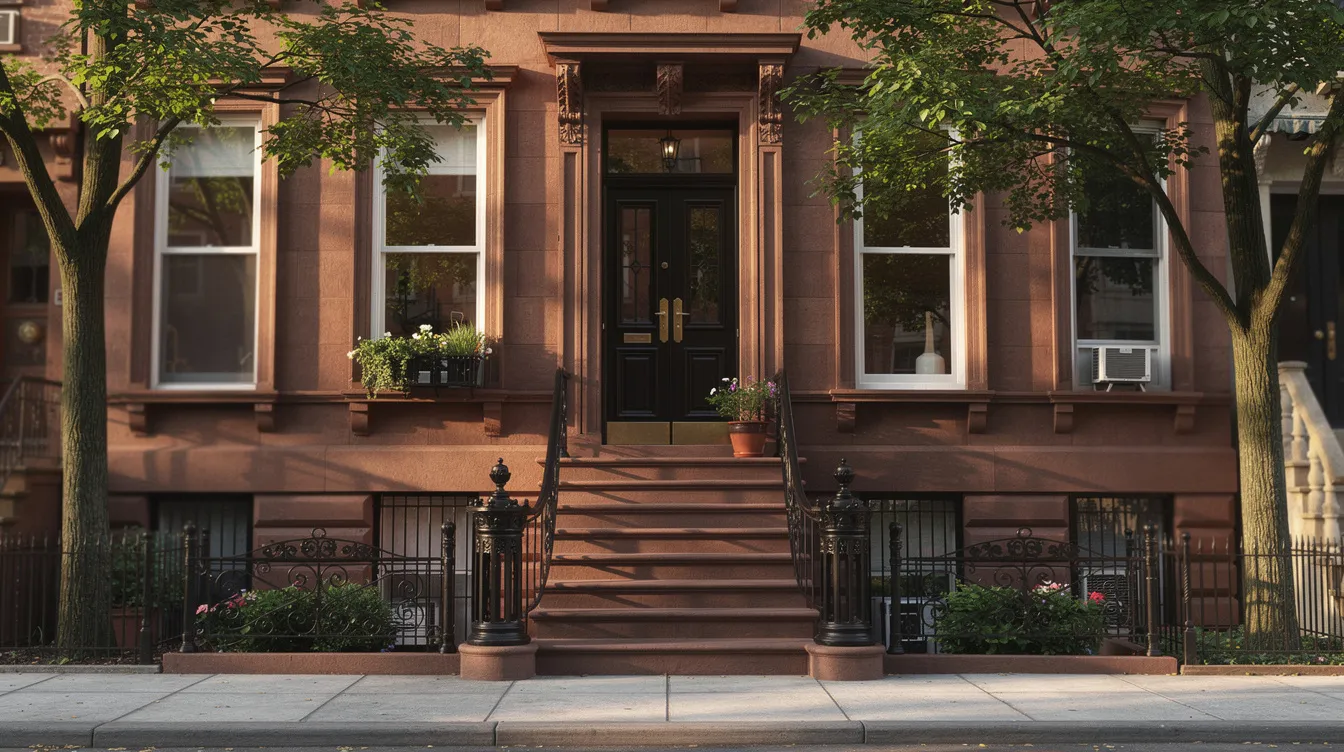
A step-by-step guide to inspections, renovation planning, and pricing a brownstone.
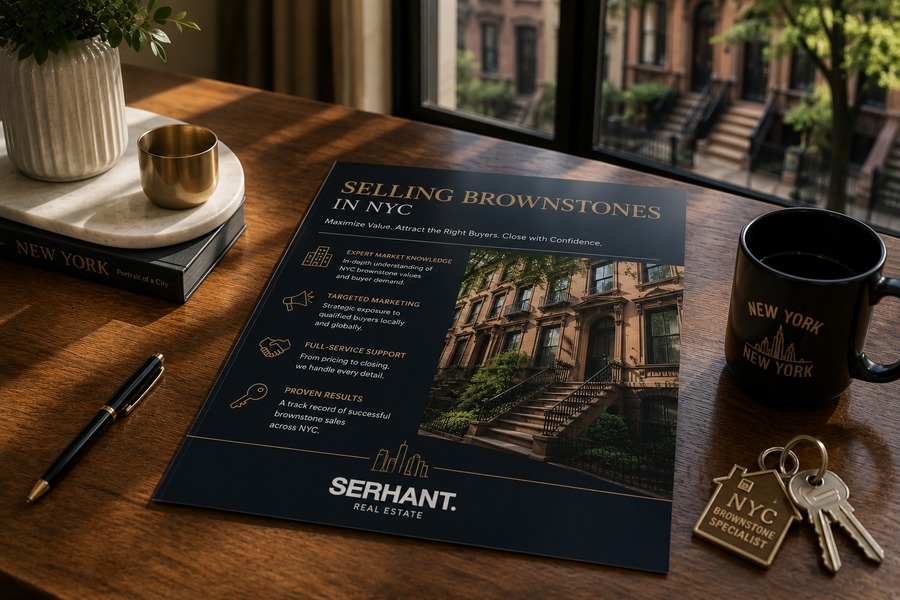
How to prepare, price, and sell a NYC brownstone.
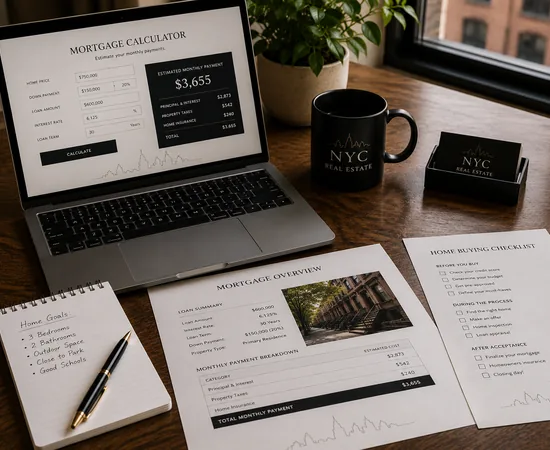
Estimate closing costs, compare renting and buying, and plan carrying costs.
Educate yourself on these 15 costly mistakes — the difference between a successful purchase and a disastrous one.
Looking at a brownstone in Upper East Side? Taking the time to educate yourself on these 15 costly mistakes can make all the difference between a successful purchase and a disastrous one.
Reach out for buyer representation, listing strategy, or a confidential valuation with Stanley Montfort.