
Brooklyn Heights Realtor
Whether you're evaluating a prewar co-op on Pierrepont Street, considering a brownstone on one of the neighborhood's landmarked blocks, or preparing to list a condominium with Manhattan skyline views, working with a Brooklyn Heights Realtor who understands the neighborhood's distinct submarkets is the difference between a confident transaction and a costly misstep. Brooklyn Heights real estate is not one market-it's a collection of micro-markets defined by property type, exact block, building condition, ownership structure, and historic designation. Every buying or selling decision here requires property-specific analysis, not broad neighborhood averages.
Brooklyn Heights Real Estate Market Overview
The Brooklyn Heights real estate market in mid-2026 reflects a neighborhood where well-priced homes are moving faster than they have in over a year, but transaction volume has tightened and listing prices are adjusting downward. The median home sale price over the three months ending May 2026 reached approximately $1,344,548, up 3.4% year-over-year, while the median listing price in June sits around $1,650,000-down roughly 5.9% compared to last year. Homes that are correctly priced and well-presented are selling in about 30 days, a 32.7% decrease in median days on market compared to the same period last year.
What makes Brooklyn Heights different from much of the rest of Brooklyn is the composition of its housing stock and the premium that buyers consistently pay for it. Active listings average approximately $1,643 per square foot, placing the neighborhood well above the boroughwide median. Adjacent neighborhoods like DUMBO or Cobble Hill may command similar or higher listing prices in certain segments, but often for newer construction or amenity-heavy luxury buildings-not for the mix of landmarked brownstones, prewar co-ops, and boutique condos that define Brooklyn Heights.
One pattern I discuss with every client right now: while listing prices have softened, actual sold prices continue to appreciate. That divergence tells you that sellers who price realistically from the beginning are rewarded, while those who overprice face longer days on market and eventual reductions. For buyers, it means opportunities exist-but competition for the best-located, best-condition properties remains intense, with only about 129 active listings across all property types.
If you're beginning to think about a purchase or sale in Brooklyn Heights, a conversation with a Realtor in Brooklyn Heights who can interpret these conditions block by block is worth having early.
Why Brooklyn Heights Clients Trust Stanley Montfort
Deep specialization in Brooklyn Heights real estate across brownstones, townhouses, prewar co-ops, and condominiums-including properties within the historic district where landmark considerations directly affect transaction planning
Track record of successful transactions spanning the full range of Brooklyn Heights property types, from co-op apartments to multi-million-dollar townhouse sales
Neighborhood knowledge that goes beyond listings data-understanding how proximity to the Promenade, specific block characteristics, building financial health, and historic designation create distinct pricing environments within a small geographic area
Licensed New York real estate professional with active membership in local boards and a commitment to transparent performance metrics, including days on market, sale-to-list ratios, and comparable sales accuracy
Stanley Montfort's approach to Brooklyn Heights real estate is grounded in property-specific analysis. One of the first things I review when evaluating a Brooklyn Heights property is how its exact location, legal configuration, renovation quality, and carrying costs compare to recent comparable sales-not just neighborhood-wide medians. That level of specificity helps clients avoid overpaying as buyers or underpricing as sellers.
Working With a Brooklyn Heights Realtor
What sets an experienced Brooklyn Heights Realtor apart from a generalist agent is the ability to evaluate properties across fundamentally different ownership structures and building types-each with its own valuation methodology, due diligence requirements, and buyer pool.
A brownstone on Willow Street and a co-op apartment on Clark Street are entirely different real estate products. They attract different buyers, carry different monthly costs, present different renovation considerations, and require different negotiation strategies. An experienced Brooklyn Heights real estate agent understands these distinctions and advises accordingly, rather than applying a one-size-fits-all approach.
Historic district knowledge is non-negotiable. Brooklyn Heights was designated New York City's first historic district in 1965. The Landmarks Preservation Commission has jurisdiction over exterior changes to buildings throughout the district-including façades, windows, stoops, cornices, and roofs. This means that renovation planning, cost estimation, and timeline projections for any property with visible exterior work must account for LPC approval processes. Many buyers are surprised by how much values can change from one block to another based partly on how well building exteriors have been maintained within landmark guidelines.
Expertise in Brooklyn Heights pricing and valuation strategies means understanding that listing price declines of roughly 5.9% year-over-year coexist with sold price appreciation of 3–7% depending on property type. A Realtor who can explain that paradox-and use it to inform a client's pricing or offer strategy-provides far more value than one who simply reports neighborhood averages.
Brooklyn Heights Real Estate Services
Stanley Montfort provides comprehensive real estate representation for buyers and sellers across Brooklyn Heights, covering every step of the transaction from initial property evaluation through closing. The services below are structured around the specific decisions that Brooklyn Heights clients face.
Buying Real Estate in Brooklyn Heights
Buyer representation and property search assistance begins with understanding exactly what you need-not just bedroom count and budget, but ownership type preference (co-op, condo, or townhouse), tolerance for renovation, importance of views or outdoor space, transportation priorities, and long-term investment goals. Stanley filters the Brooklyn Heights market accordingly, including identifying properties that may not yet be widely displayed on public listing websites.
Due diligence is where many Brooklyn Heights transactions succeed or fail. For townhouses, this means engaging structural inspectors and architects to evaluate building systems, roof condition, façade integrity, and legal configuration against the Certificate of Occupancy. For co-ops, it means reviewing the building's financial statements, reserve fund, recent assessments, maintenance fee history, house rules, and sublet policies. For condos, it means examining offering plans, common charges, property taxes, amenity maintenance, and any upcoming special assessments.
Negotiation strategy for Brooklyn Heights properties accounts for the neighborhood's limited inventory. In a market where well-priced homes sell in 30 days, buyers need to arrive at showings with pre-assembled comparable sales data and a clear understanding of what the property is actually worth-not just what it's listed for. One mistake I frequently see buyers make is anchoring their offer to the asking price without confirming how that number compares to recent sold prices for the same property type on the same block.
Understanding different property types and their considerations is essential. Co-ops require board approval and deeper financial vetting; condos offer more ownership flexibility and clearer title; townhouses bring direct ownership but full responsibility for maintenance, insurance, and property taxes. Each carries different monthly ownership costs and different resale profiles, which Stanley evaluates with every buyer before proceeding with an offer.
Selling Real Estate in Brooklyn Heights
Property valuation and pricing strategy in Brooklyn Heights must be hyper-specific. Before recommending an asking price, I review comparable sales that match the property's exact block, building type, ownership model, renovation standard, outdoor space, views, and floor level. For townhouses, width, lot dimensions, legal configuration, and architectural integrity all factor in. For apartments, building reputation, maintenance fees, and board culture matter as much as the unit itself. Broad neighborhood averages alone may produce an inaccurate valuation-and overpricing in this market leads to extended days on market and reduced buyer interest.
Marketing approach for Brooklyn Heights properties centers on reaching the right buyer pool. A four-story brownstone with original architectural details and garden appeals to a fundamentally different buyer than a high-floor condo with river views and building amenities. Stanley develops marketing strategies tailored to each property's strengths: professional photography highlighting period features or waterfront exposure, staging that respects architectural character, and targeted outreach to qualified buyers-including those searching through platforms like Compass and established firms such as Brown Harris Stevens.
Seller representation and negotiation includes active management of showings, gathering and interpreting buyer feedback, adjusting strategy when market response warrants it, and negotiating inspection requests, closing timelines, and contingencies. For co-op sellers, Stanley helps prepare the board package and manages disclosure of building financials, upcoming assessments, and any relevant restrictions.
Preparing properties for the Brooklyn Heights market means ensuring that architectural integrity is preserved while addressing the details that buyers in this price range expect. Touch-ups or restorations that maintain historic character, modernized kitchens and bathrooms that respect period style, upgraded mechanical systems, and confirmed permits and Certificates of Occupancy all contribute to a faster, stronger sale.
Brooklyn Heights Property Values and Pricing
Understanding what drives property values in Brooklyn Heights requires looking well beyond square footage and bedroom count.
Factors influencing property values include location within the neighborhood (proximity to the Promenade, Brooklyn Bridge Park, waterfront view corridors), block width and street condition, building type (co-op versus condo versus townhouse), renovation quality, outdoor space, floor height, ceiling height, period architectural details, building financial health, ownership restrictions, and landmark compliance status. Each of these factors can shift a property's value by tens of thousands-or hundreds of thousands-of dollars relative to a superficially similar property a few blocks away.
How location within the neighborhood affects pricing: Properties facing or adjacent to the Promenade consistently carry premiums, as do those with unobstructed views of the Manhattan skyline or East River. Blocks closer to subway stations (2/3 at Clark Street, A/C at High Street, R/4/5 at Borough Hall) and the NYC Ferry also command higher prices. Conversely, properties overlooking busy roads or farther from transit may trade at measurable discounts. When comparing two Brooklyn Heights properties, I always evaluate how the specific block, exposure, and view corridor affect both current value and future resale demand.
Comparable sales analysis and valuation methodology in Brooklyn Heights requires matching not just neighborhood but exact ownership type, block, building condition, renovation level, outdoor amenities, and floor plan. Adjustments for width (especially for townhouses), ceiling height, original architectural details, and special features like working fireplaces or roof decks are standard. I compare both sale price per square foot and total carrying costs-because a co-op with $3,500/month maintenance and a condo with $800/month common charges plus $2,000/month property taxes present very different cost structures to buyers, even if the purchase prices appear similar.
Market trends and price appreciation patterns reveal important nuances. Zillow's home value index for Brooklyn Heights shows approximately $1.49 million, up 6.8% year-over-year, confirming that underlying values continue to appreciate even as listing prices adjust. At the top of the market, a 6,625-square-foot brownstone at 192 Columbia Heights sold off-market for $24.5 million-the borough's priciest sale of 2026. Yet total transaction volume has decreased, with 36 homes sold in May 2026 compared to 48 in the same month last year. That combination-appreciating values, fewer transactions, faster sales-tells you that demand is concentrating on the best-quality properties while less competitive listings sit longer.
Brooklyn Heights Real Estate by Property Type
Brooklyn Heights offers one of Brooklyn's most diverse collections of residential property types. The neighborhood's housing stock spans landmarked brownstones and townhouses, boutique condominiums, and a large inventory of prewar co-op apartments. Each category represents a distinct product with different buyer pools, valuation methods, ownership costs, and transaction processes.
Brooklyn Heights Brownstones and Townhouses
Brownstones and townhouses are central to Brooklyn Heights' real estate identity, and evaluating them properly requires expertise that goes well beyond standard apartment analysis.
Evaluation criteria for historic brownstones include lot width and depth, number of stories, ceiling height, original architectural features (stoops, cornices, moldings, mantels, fireplaces), condition of the façade and masonry, roof condition, basement configuration, garden or backyard space, and potential for outdoor amenities like a roof deck. Mechanical systems-plumbing, electrical, HVAC-are often the most significant hidden cost in older townhouses and must be thoroughly inspected before any offer.
Building width and configuration matter enormously. Wider townhouses (20–25 feet) support more flexible floor plans and better natural light. Deep lots allow for meaningful garden or backyard space. Legal configuration-whether the property is classified as single-family, two-family, three-family, or mixed-use-directly affects permitted occupancy, rental income potential, and financing options. Certificate of Occupancy compliance is essential; discrepancies between actual use and legal use can create serious issues at closing.
Landmark status and renovation restrictions affect both sellers and buyers. Exterior alterations-stoops, windows, cornices, roofs, façade materials-require approval from the NYC Landmarks Preservation Commission. This adds time and cost to any renovation that involves visible exterior work. Specialized historic materials and experienced craftsmen are often required. Interior work is generally less regulated unless it affects structure or is visible from the public realm. One question I always discuss with sellers of Brooklyn Heights townhouses is whether any recent exterior work was completed with proper LPC approval, since unapproved alterations can complicate a sale.
Pricing factors for Brooklyn Heights townhouses include direct water or skyline views, Promenade proximity, garden or outdoor space quality, building width, how intact original features are, interior renovation standard, number of stories and floor plan flow, condition of major systems, corner versus mid-block positioning, and light exposure. Over the past 12 months, 11 single-family homes sold in Brooklyn Heights at a median price of approximately $6.5 million, while 24 multifamily homes also reached a median of roughly $6.5 million.

Brooklyn Heights Condos
The condominium market in Brooklyn Heights represents a smaller but often higher-priced-per-square-foot segment of the neighborhood's inventory. Condos typically exist in boutique converted buildings, newer developments, or waterfront-adjacent structures.
Price per square foot and building quality are closely linked. Brooklyn Heights condo listings frequently trade at $1,600 or more per square foot, with premiums for high-floor units, unobstructed views, modern finishes, and amenity packages. Over the past 12 months, 59 condominiums sold in Brooklyn Heights at a median price of approximately $2.9 million. Buyers should compare not just list versus sold price per square foot but also factor in common charges, property taxes, and the actual value of included amenities.
Common charges, amenities, and building financials require careful review. Unlike co-ops, condo owners pay their own property taxes separately from common charges-which cover maintenance, staff, and amenity upkeep. Before confirming interest in any Brooklyn Heights condo, I review the building's reserve fund, recent assessment history, any necessary capital improvements, and policies regarding short-term rentals. A building with a thin reserve fund or pending special assessment can dramatically change the true cost of ownership.
Views, floor level, and exposure carry significant weight in Brooklyn Heights condos. Because the neighborhood features Manhattan skyline views and Promenade vistas, higher floors with unobstructed sightlines command substantial premiums. South and west exposures tend to maximize natural light. Roof decks or private terraces are among the most valued features in the Brooklyn Heights condo market.
Brooklyn Heights Co-ops
Co-operative apartments represent the largest segment of Brooklyn Heights' residential inventory, with 175 co-op sales recorded over the past 12 months at a median price of approximately $830,000.
Co-op ownership structure means purchasing shares in a corporation rather than real property. Owners receive a proprietary lease rather than a deed. Monthly maintenance payments typically cover the building's operating costs, property taxes, insurance, and often heat and hot water. Understanding this structure is essential because it affects financing, resale flexibility, and board governance.
Board approval and financial requirements are the defining feature of the co-op buying process. Buyers must prepare a comprehensive board package including one to three years of tax returns, bank and asset statements, employment verification, and personal references. Many Brooklyn Heights co-ops require minimum down payments of 20–25%, with more conservative buildings requiring 30–50%. Post-closing liquidity requirements-often two years of maintenance plus mortgage payments held in reserve-can catch unprepared buyers off guard. Stanley helps buyers assemble board packages that present their financial profile clearly and completely, reducing the risk of delays or rejection.
Maintenance fees and building financial health directly impact affordability and long-term value. Key items to verify include the building's outstanding debt, reserve fund balance, recent and upcoming assessments, roof and façade condition (which in the historic district often carries higher maintenance costs), and the building's overall financial trajectory. A property with below-market maintenance but deferred capital needs may be less attractive than one with higher monthly costs but a well-funded reserve.
Sublet policies and resale considerations vary significantly across Brooklyn Heights co-ops. Many buildings strictly limit or prohibit subletting, require a period of owner occupancy before any sublet is permitted, and impose flip taxes on resale profits. These restrictions protect building stability but affect investment flexibility. Before proceeding with any co-op purchase, understanding the specific building's policies on subletting, renovation, and resale is critical.
Brooklyn Heights Neighborhoods and Micro-Markets
Brooklyn Heights should never be treated as one uniform real estate market. Even within this compact neighborhood, property values and buyer demand shift meaningfully from one block to another.
Block-by-block variation is significant. One street might feature wide, meticulously restored brownstones with intact stoops and mature tree canopy; the adjacent street may have narrower, less renovated buildings with different exposure and noise levels. Blocks directly facing Brooklyn Bridge Park or offering unobstructed water views consistently command premiums of 10–30% over otherwise comparable properties on interior blocks. Stoop condition, façade integrity, and the overall appearance of a block from the street contribute materially to both buyer interest and appraised values.
Proximity to the Brooklyn Heights Promenade is one of the neighborhood's strongest value drivers. The Promenade offers open space, iconic Manhattan views, and a prestige factor that directly influences pricing on adjacent streets like Columbia Heights. Properties with direct Promenade access or river views represent the top tier of Brooklyn Heights pricing, as the $24.5 million sale at 192 Columbia Heights demonstrates.
Transportation access and convenience affect every buyer's calculus. Multiple subway lines serve the neighborhood-the 2/3 at Clark Street, A/C at High Street, and R/4/5 at Borough Hall-along with NYC Ferry service and walkable access to Manhattan via the Brooklyn Bridge. Properties closer to transit hubs tend to sell faster and at higher per-square-foot values, while those located near busy thoroughfares like Cadman Plaza West may trade at slight discounts due to traffic and noise.
Specific streets and areas command different values. Columbia Heights and Orange Street rank among the most sought-after addresses. Cranberry Street and Willow Street are prized for their picturesque character, generous width, and architectural consistency. Streets closer to Cadman Plaza or commercial corridors like Montague Street may offer more convenience but also more pedestrian traffic and less of the residential quiet that many Brooklyn Heights buyers prioritize.
Historic District Considerations
Understanding Brooklyn Heights Historic District regulations is essential for any buyer or seller in the neighborhood. As New York City's first designated historic district, established in 1965, Brooklyn Heights operates under the oversight of the Landmarks Preservation Commission, which has jurisdiction over all visible exterior changes to buildings within the district.
Impact on renovation plans and property modifications: Exterior work-including changes to stoops, windows, cornices, roofs, and façade materials-requires LPC permits. This step verifies that proposed alterations are consistent with the district's architectural character. The approval process adds time and cost, often requiring specialized materials and experienced craftsmen. Interior renovations are generally less regulated unless they affect structure or are visible from the public realm. Buyers considering properties that need significant exterior restoration should budget accordingly and factor in potential delays.
How historic designation affects property values and marketability: Landmark status adds prestige, architectural consistency, and a degree of value stability that many buyers find attractive. Well-maintained properties in the historic district often command premiums over comparable non-landmarked properties in adjacent neighborhoods. However, the costs and complexity of maintaining compliance can deter some buyers-particularly those considering properties with deferred exterior maintenance or unapproved prior alterations.
Working with landmark preservation requirements is something Stanley Montfort helps clients navigate as part of every Brooklyn Heights transaction involving exterior considerations. While specific regulatory or legal questions should be directed to qualified professionals, understanding how landmark requirements affect timelines, budgets, and property condition is a core part of evaluating any Brooklyn Heights purchase or sale.
What Brooklyn Heights Clients Say
Stanley Montfort welcomes prospective clients to request references from past buyers and sellers in Brooklyn Heights. Client experiences consistently highlight several themes:
Micro-market expertise that helps buyers understand why two properties at similar price points can represent very different values based on block, building type, and condition
Thorough due diligence that surfaces hidden costs-deferred maintenance, upcoming assessments, landmark compliance issues-before they become post-closing surprises
Realistic pricing guidance for sellers grounded in highly specific comparable sales rather than aspirational neighborhood averages
Negotiation representation that accounts for Brooklyn Heights' limited inventory and the distinct expectations of buyers in different property categories
Specific transaction examples and client testimonials are available upon request.
Brooklyn Heights Service Area
Stanley Montfort's primary service area covers all of Brooklyn Heights, spanning from Cadman Plaza West and Columbia Heights along the waterfront to Old Fulton Street and Atlantic Avenue, and from the Brooklyn Bridge to Court Street, Joralemon Street, and Cadman Plaza East.
Key streets and blocks served include Montague, Pierrepont, Henry, Cranberry, Orange, Clark, Willow, Hicks, Columbia Heights, and all residential blocks within the historic district.
Adjacent neighborhoods also served include DUMBO, Cobble Hill, Vinegar Hill, and Downtown Brooklyn. These neighborhoods compete for similar buyer pools in certain price ranges, and understanding how Brooklyn Heights compares in terms of pricing, housing stock, and long-term value helps clients make informed decisions about where to buy or how to position a listing.
Transportation and accessibility throughout the service area is strong, with subway access via the 2/3, A/C, and R/4/5 lines, NYC Ferry service, and pedestrian access to Manhattan via the Brooklyn Bridge and Manhattan Bridge.
Frequently Asked Questions About Brooklyn Heights Real Estate
What are the total monthly carrying costs for different Brooklyn Heights property types?
Buyers need to calculate the full monthly cost of ownership, not just the mortgage payment. For co-ops, monthly maintenance typically covers building operating costs, property taxes, insurance, and sometimes heat and hot water. For condos, common charges cover building maintenance and amenities, but property taxes are billed separately and can be substantial. For townhouses, owners bear the full burden of property taxes, insurance, utilities, and all maintenance and repair costs. Stanley helps buyers model total carrying costs for any property under consideration so there are no surprises after closing.
How long does co-op board approval take in Brooklyn Heights?
Board approval typically takes two to six weeks after submission of a complete board package, depending on the building's review schedule and the thoroughness of the application. Some buildings also require an in-person interview. Condo board approvals are generally faster and less restrictive. Stanley helps buyers prepare board packages that present their financial profile clearly, reducing the risk of delays.
What are the down payment and financing requirements?
Co-ops in Brooklyn Heights often require minimum down payments of 20–25%, with more conservative or luxury buildings requiring 30–50%. Post-closing liquidity requirements-sometimes two years of maintenance plus mortgage payments-are common. Condo financing requirements tend to be more flexible. Mortgage lenders treat co-op share loans and condo mortgages differently, so working with a lender experienced in New York real estate is important.
Are there flip taxes or subletting restrictions?
Many Brooklyn Heights co-ops impose flip taxes-a percentage of profit or sale price paid at resale. Sublet policies vary widely: some buildings prohibit subletting entirely, others allow it after a period of owner occupancy with board approval. Condos are generally more permissive regarding rentals but may have their own restrictions. Understanding these policies before purchase is essential for anyone considering investment flexibility.
What can I renovate in the Brooklyn Heights Historic District?
Exterior alterations to buildings within the historic district require approval from the NYC Landmarks Preservation Commission. This includes changes to façades, windows, stoops, cornices, and roofs. Interior renovations are generally less regulated unless they affect the building's structure or are visible from the public realm. Renovation budgets for properties requiring exterior work should account for specialized materials, experienced contractors, and the time required for LPC review. For property-specific questions about what is and isn't permitted, Stanley can connect you with qualified architects and preservation professionals.
Is now a good time to buy or sell in Brooklyn Heights?
The current market shows homes selling faster (median days on market down roughly 32.7% year-over-year) while listing prices have adjusted downward. Sold prices, however, continue to appreciate. For sellers, this means realistic pricing from the start is more important than ever. For buyers, there are opportunities-but competition for the best properties remains strong. Whether the timing is right depends entirely on your specific goals, property type, and financial situation. A conversation with Stanley about your circumstances is the best way to evaluate your options.
Contact Your Brooklyn Heights Realtor
Whether you're beginning a property search, preparing to list, or simply want an experienced perspective on a specific Brooklyn Heights property or block, Stanley Montfort is available to discuss your goals and provide the kind of property-specific, block-level analysis that helps clients make confident real estate decisions.
Phone: 1-646-970-1078 Email:[email protected] Address: 8 West 126th Street, New York NY 10027
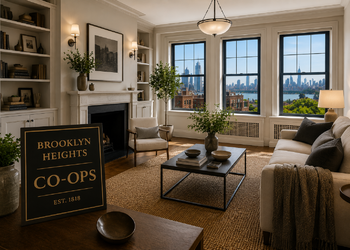
Want the full market report for Brooklyn Heights?
We want to ensure that you have all the information needed to make the best decisions when it comes to your home goals. When you enter your info below you will get instant access to the area's latest market report, complete with sales and demographic trends.
Local News & Advice
Read helpful resources and articles related to the area.
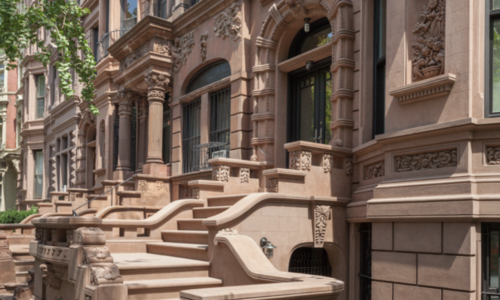
Upper West Side Townhouse Q2 2024 Market Report
On the Upper West Side, we observed a distinct trend that diverges from the citywide patterns. Specifically, the…

Harlem Brownstone Q2 2024 Market Report
The Harlem brownstone market has seen an increase in sales activity since this time last year. In Q2…
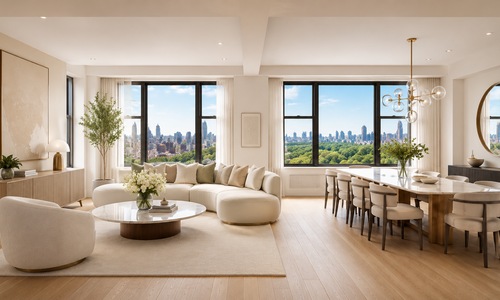
Discover Your Dream Home: Explore Apartments for Sale on the …
Are you searching for your dream home in one of New York City’s most sought-after neighborhoods? Look no…