
We’ll help you purchase the right Harlem brownstone while avoiding costly renovation surprises, structural issues, and unnecessary risks
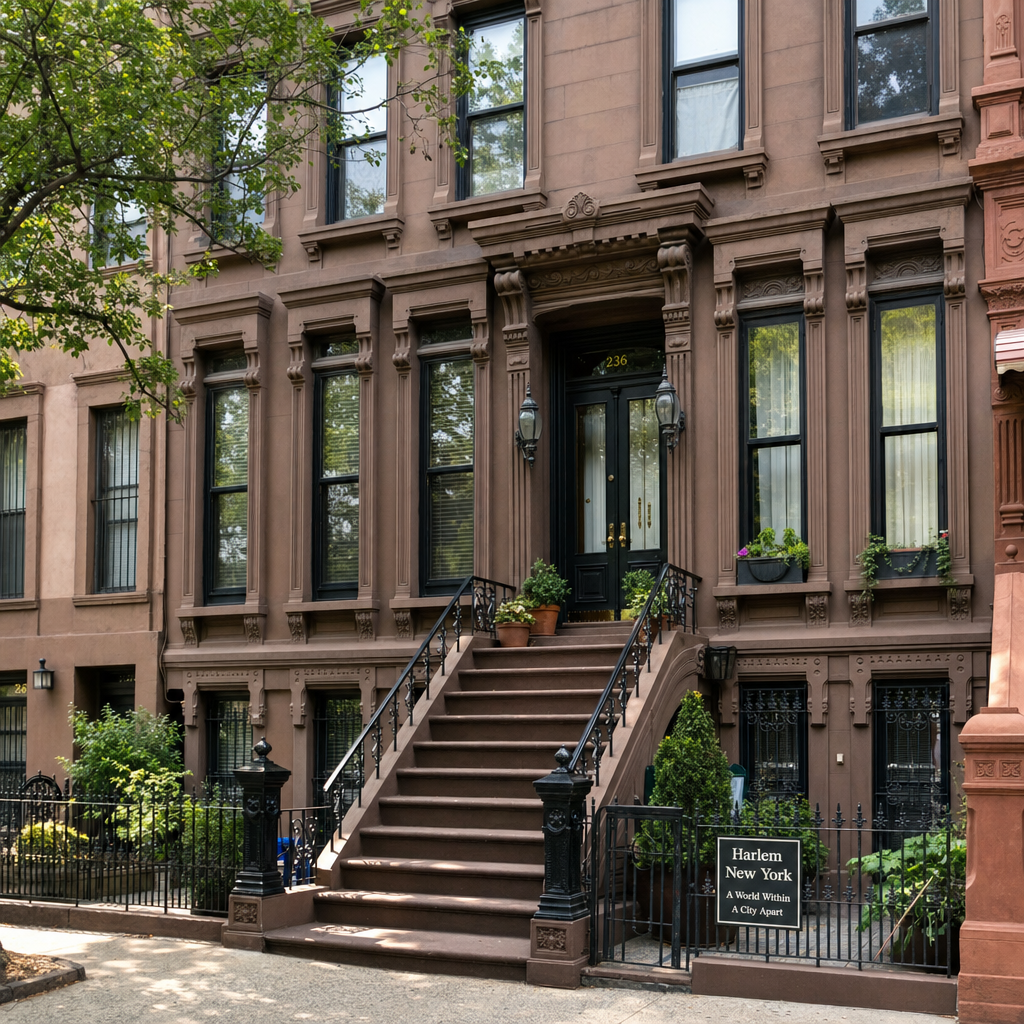
Smooth transaction with limited risk
No pressure to over pay and buy within a certain time period
A team of people that will be with you even after the transaction is complete
Live listing data provided by OLR IDX. Need help? Contact us or log in to your customer account.
If you're buying or selling a brownstone in Harlem, the transaction depends on factors that most residential real estate deals never touch: legal configuration, building width, Certificate of Occupancy status, historic district rules, renovation depth versus cosmetic staging, and block-by-block comparable sales that can shift a property's value by hundreds of thousands of dollars. Stanley Montfort works as a dedicated Harlem brownstone realtor who evaluates the entire building, not just the asking price or the listing photos, so that buyers and sellers in upper Manhattan make informed decisions grounded in property-specific analysis.
Contact Stanley Montfort today for Harlem brownstone buyer representation, listing services, or a confidential property valuation.
Licensed Associate Real Estate Broker with SERHANT, representing Harlem brownstone buyers and sellers since 2017
Specialist in one-family through four-family brownstone configurations, legal use verification, and Certificate of Occupancy review
Experienced in historic district regulations across Mount Morris Park, Strivers Row, and Central Harlem landmark blocks
Network of structural engineers, inspectors, and restoration professionals for brownstone-specific due diligence
Buying a brownstone in Harlem is different than buying a co-op or condo in Manhattan. A condo purchase involves reviewing financials, common charges, and board minutes. A brownstone purchase means evaluating the building's legal configuration, structural condition, mechanical systems, façade integrity, roof, plumbing, electrical, and whether the unit count you see during a showing matches what the Certificate of Occupancy actually permits. Brownstone buyers take on roles as building operators and historic preservationists, and most people searching for harlem real estate in the townhouse category need an agent who understands those responsibilities before a contract is signed.
Choosing a realtor with experience in brownstones rather than general apartments is beneficial because the evaluation process, financing considerations, and negotiation dynamics differ from standard apartment purchases. Stanley Montfort brings that specialized lens to every Harlem brownstone transaction. A reliable agent should have a network of structural engineers and inspectors for brownstone issues; Stanley maintains those relationships so that buyers receive thorough assessments before committing.
For sellers, the same expertise applies in reverse. Pricing a Harlem townhouse based on neighborhood averages or a simple price-per-square-footage calculation misses the variables that actually drive buyer demand: property width, legal use, renovation quality, original architectural details, outdoor space, and the specific block's history of comparable sales. Specialized brokers are necessary for navigating landmark rules and zoning laws in Harlem, and that navigation starts well before the listing goes live.
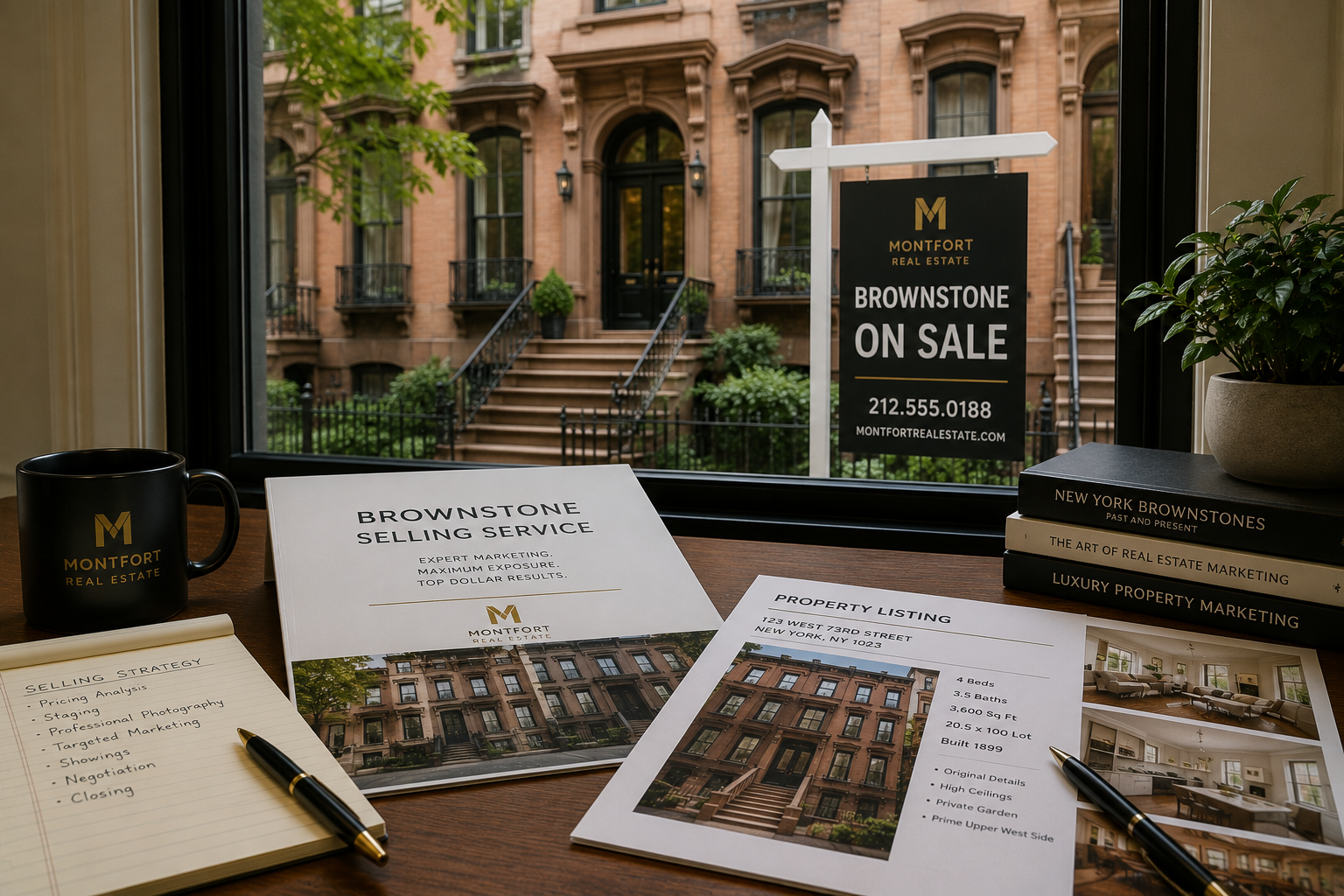
One of the first things I review when evaluating a Harlem brownstone for a buyer is the legal configuration. A building that presents three apartments during a showing may only be legally permitted as a single-family residence. That discrepancy affects financing, insurance, rental income potential, and future resale. Brownstone purchases often need more extensive due diligence compared to standard apartment purchases, and Stanley Montfort's buyer representation covers:
Full review of the Certificate of Occupancy and property records to confirm legal use before making an offer
Structural and systems evaluation coordinated with engineers and inspectors who specialize in pre-war buildings
Detailed market analysis of comparable brownstone sales filtered by width, configuration, condition, and location
Assessment of historic district status and how it affects renovation plans, exterior alterations, and long-term ownership costs
Evaluation of financing options across one-family through four-family configurations, including programs like SONYMA's Low Interest Rate Program for qualifying buyers
Access to off-market listings can provide additional opportunities for brownstone buyers, and Stanley actively works those channels
Good brownstone agents must have a buyer-first mentality and act in their clients' best interests. That means steering a client away from a property when the numbers or the building condition don't support the purchase, even when the interiors look stunning.
Before recommending an asking price for a Harlem brownstone, Stanley evaluates the property's specific configuration against the current competitive inventory. Two brownstones on the same street with similar reported square footage can warrant different asking prices based on width, legal unit count, renovation depth, original architectural details, outdoor space, and whether the property sits within a historic district.
Seller services include:
Strategic pricing based on property width, lot dimensions, legal configuration, renovation quality, and comparable townhouse sales within the relevant micro-market
Marketing that communicates the property's ownership configuration, rental income potential, architectural integrity, and block character to the right buyer pool
Seller preparation guidance covering façade condition, stoop maintenance, violation resolution, and staging that reflects the building's actual strengths
Timing recommendations based on current market trends, competing Harlem brownstone inventory, and financing environment
A vacant 4-story brownstone and a fully occupied 4-family brownstone appeal to entirely different buyers. Stanley positions each listing for its specific audience.
Harlem brownstones range from $1.1M to $3.2M for typical properties, with exceptional listings reaching well above that range. A historic brownstone at 12 Mount Morris Park is listed for $9.75M, with 7,825 square feet of space. Meanwhile, a vacant 4-story brownstone is listed for $1,100,000, and a fully occupied 4-family brownstone is priced at $3,295,000. The 2025 median sale price for one-family dwellings was $2.825 million.
The difference in brownstone valuations is influenced by features like width, square footage, and legal configurations. Stanley's valuation approach accounts for all of these variables rather than relying on a single metric. Condos in Harlem can sell for $400,000 to $1 million by comparison, but the ownership structures are fundamentally different. Brownstone ownership offers more control over the property, while condos typically have lower maintenance responsibilities than brownstones and involve condo common charges. Brownstones often provide more space and privacy than condos, which is why the buyer pools rarely overlap.
Every Harlem brownstone engagement starts with understanding the property itself. For buyers, that means reviewing the building's legal configuration, Certificate of Occupancy status, and physical condition before falling in love with the parlor floor. For sellers, it means documenting the property's actual strengths, resolving any open violations, and confirming that the legal use matches the building's current layout.
Understanding the Certificate of Occupancy is critical in evaluating brownstone properties. Buildings constructed before 1938 that have been altered without a new CO may require a Letter of No Objection to confirm legal use. Stanley reviews these records early in every transaction to prevent surprises during financing or closing.
Comparable sales analysis for Harlem brownstones requires filtering by configuration, not just geography. A 20-foot-wide, two-family brownstone in a historic district does not compare meaningfully to a 16-foot-wide, single-family house on a non-designated block three streets away. Stanley builds comps sets around properties that share width ranges, legal unit counts, renovation levels, and location characteristics.
For sellers, this analysis drives the pricing strategy and identifies the likely buyer pool. For buyers, it reveals whether an asking price reflects the property's actual market position or relies on aspirational comparisons.
Brownstone closings involve layers that condo and co-op transactions skip. Inspection coordination requires professionals experienced with pre-war construction. Financing for multi-unit configurations often requires larger down payments; lenders may require 20% down for single-family brownstones and more for non-owner-occupied multi-family ownership. Stanley manages these processes and coordinates with attorneys, lenders, inspectors, and engineers who understand townhouse transactions in New York.
Many Harlem brownstones are 16 to 20 feet wide. Properties wider than 18 to 20 feet cross into a premium category where room layouts improve, natural light increases, and developer interest grows. The 25-foot-wide Queen Anne-style brownstone built in 1888 represents the upper end of what Harlem's brownstone inventory offers in terms of frontage.
Lot depths typically range from 40 to 60 feet, with many buildings featuring rear extensions or backyard space. Greater depth creates additional buildable square footage and outdoor amenity potential, both of which affect value. When comparing two Harlem townhouses with similar façades and street presence, width and depth differences can account for a price gap of $500,000 or more.
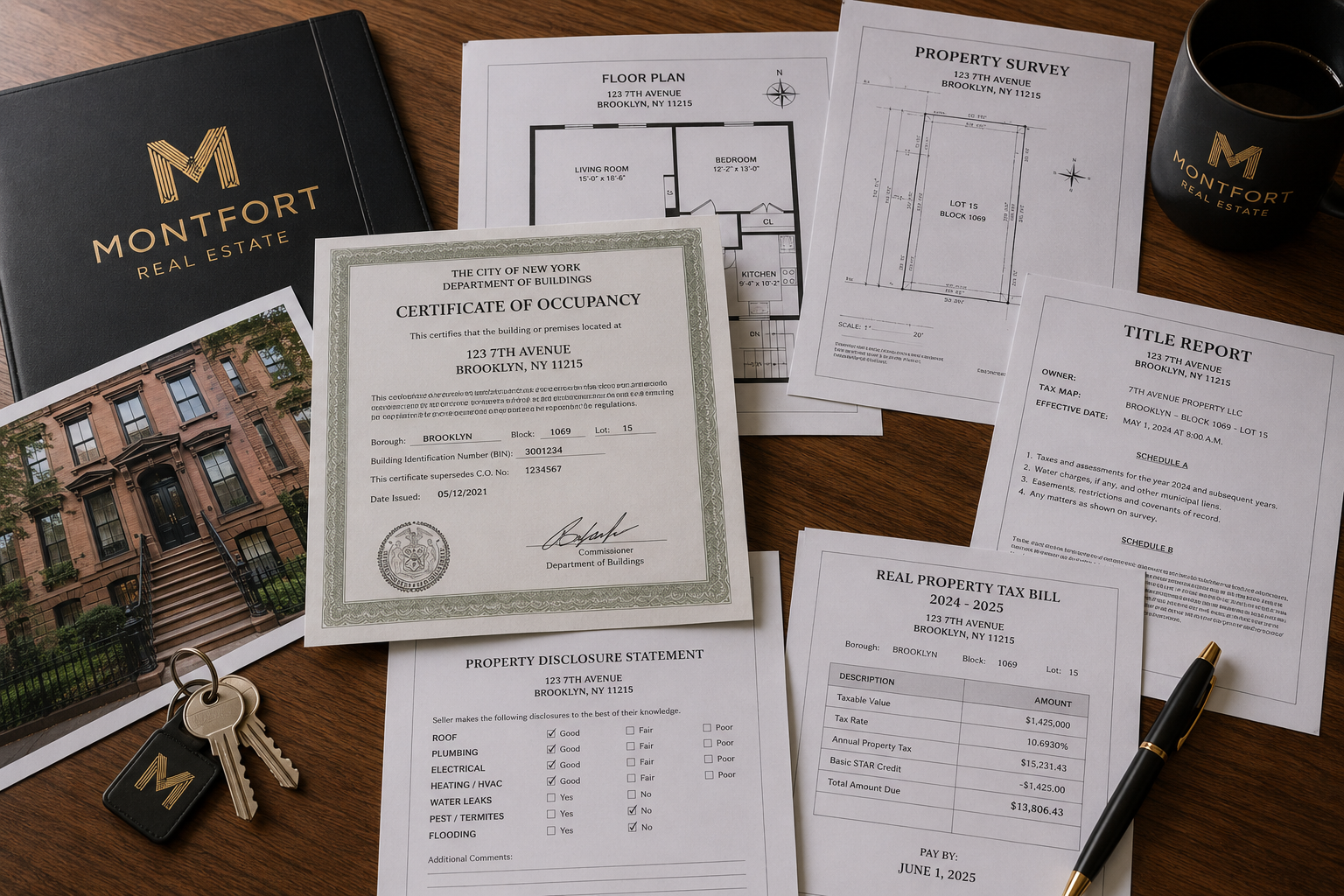
Harlem brownstones can be legal single-family homes or multi-family units. Harlem's zoning allows conversion to two- or three-family units in many areas, but the legal configuration must be confirmed through the Certificate of Occupancy, not assumed from the physical layout. Many buildings have been subdivided over decades without the necessary permits or CO amendments. Buyers inheriting illegal apartments face difficulty with financing, insurance, and resale.
One mistake I frequently see brownstone buyers make is focusing on the interior layout and assumed rental income without confirming the legal unit count. A building marketed as a three-family that carries a single-family CO creates financing problems, insurance gaps, and potential liability for the new owner.
Many buyers focus on the renovation before confirming the legal configuration, and even among those who look past the kitchen and bathrooms, most people underestimate the difference between cosmetic improvements and a full building renovation.
Cosmetic renovations include updated kitchens, new bathrooms, fresh paint, and refinished floors. These improve how a property shows but do not address the building's core systems. A full renovation includes new plumbing, updated electrical service, HVAC installation, roof replacement, masonry restoration, waterproofing, and window upgrades. The gap in value between the two is substantial.
Brownstone real estate transactions often require expertise in restoration and renovation. Stanley evaluates renovation quality by looking at what was done behind the walls, not just what's visible in the listing photos. Renovations in a historic district carry additional cost because materials and craftsmanship must match existing protected features, and the Landmarks Preservation Commission reviews exterior alterations for consistency with the surrounding district.
Many brownstones feature high ceilings and original fireplaces. Preserved details such as pocket doors, ornate mantels, crown moldings, original staircases, and decorative woodwork affect both marketability and value. These features signal architectural integrity and indicate that past owners maintained or restored the building rather than stripping it during renovations. Brownstones often have distinctive architectural details like pocket doors that cannot be replicated at reasonable cost, which is why buyers interested in Harlem's historic housing stock pay attention to what's original and what's been replaced.
From a Realtor's perspective, original details serve as a proxy for overall building care. A brownstone that retains its parlor floor woodwork, functioning fireplaces, and intact cornice work has typically been maintained more carefully than one where these features were removed.
A single-family Harlem brownstone functions as a private residence with one owner occupying the full building. Financing is straightforward by brownstone standards, the buyer pool includes families and individuals who want a house in the city without shared walls or common charges, and the owner controls every floor from the garden level to the roof. Privacy and space are the primary draws. The trade-off is that the owner bears all maintenance, property taxes, insurance, and utility costs without rental income to offset them.
A two-family configuration typically gives the owner a duplex or triplex with one rental unit. This is the most common configuration interested buyers ask Stanley about because it balances privacy with income. Rental income from one legal unit can offset a meaningful portion of the mortgage and carrying costs. Financing for owner-occupied two-family properties generally requires a larger down payment than single-family purchases, and lenders evaluate the owner's debt-service ratio against the projected rental income.
Three- and four-family brownstones shift the ownership experience toward property management. A fully occupied 4-family brownstone can generate $21,500/month in gross rental income, which explains why investors target Central Harlem for cash flow opportunities. Properties often sell "as is" for cash in Harlem at these configurations because the buyer pool skews toward experienced investors.
The financing considerations change at each unit count. Owner-occupied three-family and four-family buildings qualify for residential mortgage programs up to four units, including NYC's HomeFirst program, which offers up to $100,000 in down payment and closing cost assistance for qualifying first-time buyers purchasing 1-4 unit homes with income up to 120% of Area Median Income. Above four units, the building enters commercial lending territory with different down payment requirements and underwriting standards.
Each configuration creates a different ownership experience. Stanley walks buyers through the operational realities of each before they commit to a particular property type.
Central Harlem contains the densest concentration of architecturally intact brownstone blocks in upper Manhattan. Harlem brownstones were built mostly between 1880 and 1900, and many brownstones feature Renaissance Revival and Romanesque details that define the streetscape along blocks near Lenox Avenue and the surrounding streets. Lot widths here often reach 20 to 25 feet, which creates larger floor plates and more desirable room proportions. Investors target Central Harlem for cash flow opportunities, while owner-occupants are drawn by the combination of architectural quality, transit access, and proximity to schools, dining, and Central Park.
Price points in Central Harlem reflect both the architectural inventory and the demand. Properties on premium blocks with historic designation and full renovations list toward the upper end of the Harlem brownstone range and occasionally exceed it.
Harlem's historic districts include Mount Morris Park and Strivers Row, and Mount Morris Park was among the earliest designated districts in Harlem, with protections dating to approximately 1971. Properties here carry landmark status, meaning exterior alterations to façades, stoops, windows, and rooflines require LPC permits. Many Harlem brownstones are now designated landmarks within this district. Understanding Landmarks Preservation Commission rules is crucial for brownstone buyers considering this area, because the rules affect renovation timelines, material choices, and project costs.
The trade-off for buyers is that historic designation typically supports property values. Buyers pay a premium for the assurance that neighboring buildings will maintain their architectural character, and sellers benefit from the perception of permanence that landmark status creates.
Hamilton Heights and the Sugar Hill section of west Harlem offer brownstone inventory with slightly different characteristics. Lot widths are moderate, two- and three-family configurations are more common, and the buyer pool includes both families seeking a residence with rental income and investors looking at the numbers. Proximity to Columbia University and the surrounding institutional presence supports rental demand in this area.
Renovation levels vary more widely here than in Central Harlem. Buyers searching for a brownstone that needs work will find more options in Hamilton Heights, often at price points below the Central Harlem median. Stanley evaluates these properties for their renovation potential relative to total project cost, not just the current asking price.
Strivers Row along West 138th and 139th streets represents some of Harlem's most architecturally cohesive brownstone blocks. The St. Nicholas Historic District protects these properties, and the combination of consistent streetscape, wider lots, and deep buildings makes this area a distinct micro-market. Buyers here are typically purchasing for long-term residence rather than investment, and sale prices reflect the scarcity of available inventory on these specific blocks.
Local agents should know the micro-markets of Harlem at this level of detail. The difference between a brownstone on Strivers Row and one three blocks north involves distinct comparable sales, different buyer expectations, and separate historic district rules.
Several historic districts in Harlem overlay the brownstone inventory, including the Mount Morris Park Historic District, St. Nicholas Historic District, Central Harlem West 130-132 Streets Historic District (designated 2018), and the Manhattan Avenue-West 120-123 Streets District. Each has different block boundaries and levels of protection.
For buyers, historic district status means that exterior renovations require LPC review. Even window replacements, stoop repairs, and façade repointing may need a Permit for Minor Work, Certificate of No Effect, or Certificate of Appropriateness depending on the scope. Interior renovations are generally not regulated by LPC unless they involve structural or egress changes, but any alteration that changes legal use or occupancy requires a new or amended Certificate of Occupancy from the Department of Buildings.
For sellers, historic designation can function as a market advantage. Buyers willing to accept the regulatory framework often view it as protection for their investment, ensuring that the block's character will be maintained over time. Stanley helps sellers communicate this value clearly in their marketing rather than treating landmark status as a liability.

Financing a Harlem brownstone varies by configuration and intended use. Single-family purchases typically require at least 20% down with conventional lenders, though programs like SONYMA's Low Interest Rate Program allow down payments as low as 3% for qualifying buyers purchasing 1-4 family properties that are at least five years old and have been used residentially for the prior five years.
Multi-family configurations face stricter underwriting. Lenders evaluate debt-service ratios against projected rental income, and non-owner-occupied purchases typically require higher down payments and carry higher interest rates. Buyers considering a four-family brownstone as a pure investment should expect lending terms that reflect the property's commercial characteristics.
Stanley connects buyers with lenders experienced in brownstone and townhouse financing. The lending landscape for these properties differs from standard Manhattan condo purchases, and working with a lender who understands how to underwrite a building rather than a unit prevents delays and surprises during the closing process. NYC's HPD Loan Program Finder also provides resources for owners interested in rehabilitation loans or programs to legalize units in 1-3 unit buildings.
Price each brownstone on property-specific factors (width, legal configuration, renovation quality and same-block competition) rather than neighborhood-wide averages
Run due diligence on legal configuration, building condition and renovation quality so buyers avoid costly post-closing surprises
Guide buyers and sellers through historic district requirements across Harlem's landmark districts
Central Harlem: Brownstone blocks along and adjacent to Lenox Avenue, Adam Clayton Powell Jr. Boulevard, and Frederick Douglass Boulevard
Mount Morris Park Historic District: Landmark brownstones surrounding Marcus Garvey Park
Hamilton Heights and Sugar Hill: Townhouse inventory in west Harlem near Columbia University and City College
Strivers Row and St. Nicholas Historic District: West 138th and 139th Streets
East Harlem: Select brownstone and townhouse inventory east of Fifth Avenue
Adjacent upper Manhattan neighborhoods with townhouse inventory connected to Harlem's market
Harlem brownstones range from $1.1M to over $3.2M depending on width, legal configuration, condition, and location. Condos in Harlem can sell for $400,000 to $1 million. The comparison is not straightforward because brownstone ownership includes the entire building and lot while condo ownership involves a unit within a larger structure plus common charges paid monthly. Brownstones carry property taxes on the full building, no condo common charges, and full responsibility for maintenance. The budget for owning a brownstone must account for roof, façade, mechanicals, and systems maintenance that condo owners share across the building.
A single-family brownstone provides full privacy and control with no rental income. A two-family configuration offers an owner's unit plus rental income that can offset carrying costs. Three- and four-family buildings generate more rental income but require active property management, additional regulatory compliance, and attract a different buyer pool at resale. Financing terms vary at each level; the down payment, interest rate, and lender requirements change based on unit count and owner occupancy. Stanley discusses each configuration's operational realities, financing implications, and resale dynamics before a buyer commits to a specific property type.
Properties within Harlem's designated historic districts require LPC approval for exterior alterations. This includes changes to façades, stoops, windows, cornices, and rooflines. The approval process adds time and may require specific materials that cost more than standard alternatives. Interior work is generally not regulated by LPC. Buyers should understand these requirements before purchasing, and sellers should communicate landmark status as part of the property's value proposition. Property-specific regulatory questions should be directed to the Landmarks Preservation Commission or a qualified attorney.
Conventional mortgages for single-family brownstones typically require 20% down. SONYMA's Low Interest Rate Program allows as low as 3% down for qualifying 1-4 family properties. NYC's HomeFirst program provides up to $100,000 in down payment assistance for first-time buyers purchasing 1-4 unit homes at income up to 120% AMI with owner occupancy. Multi-family and non-owner-occupied purchases face higher down payment requirements and interest rates. Lenders experienced in brownstone transactions evaluate the building itself, not just the borrower's income, which is why working with the right lender matters as much as working with the right Realtor.
A brownstone inspection evaluates the roof, foundation, party walls, façade and masonry condition, plumbing throughout the building, electrical service and wiring, heating systems, windows, waterproofing, and structural integrity. Condo inspections focus on the individual unit. Brownstone inspections also assess whether visible apartments match the legal configuration documented in the Certificate of Occupancy. Stanley coordinates inspections with professionals who specialize in pre-war construction and can identify issues that general home inspectors may miss.
Whether you're buying your first Harlem brownstone, selling a multi-family property, or evaluating a building's legal configuration and market position, Stanley Montfort provides the property-specific analysis and transaction experience that Harlem brownstone buyers and sellers need. Every brownstone is different, and the right strategy depends on your particular property, your goals, and the current market. Contact Stanley for a confidential consultation about your Harlem brownstone search or sale.

 Posted on Google
Stanley Montfort represented me in the sale of my home in Hamilton Heights. He is professional in his approach and brings his warm, personable demeanor into all his interactions. I selected Stanley to represent me after doing a thorough analysis of realtors in the Hamilton Heights area looking at number of closed tra…
 Posted on Google
Stanley was great to work with. He worked with our schedule, took the time to understand our priorities, showed us a range of properties in different areas that could suit our needs and helped us strategize our approach. He was also a great resource in helping us find local connections for inspections, repairs, etc.…
 Posted on Google
Thank you for a streamlined process from start to finish ensuring the right place was found and secured without haste!
 Posted on Google
We had a great experience working with Stanley. He taught us a lot about the specific market we were looking in, which enabled us to make a very good decision on purchase of a new home.
 Posted on Google
Stanley was the dream real estate agent we didn’t know we deserved! From the beginning he was attentive to our curiosity to help us figure out what type of property we wanted - and could afford. Throughout the process he was a calm and patient presence in our lives, offering us sincere and sage perspectives to keep u…
 Posted on Google
Stanley is amazing! No one knows the Harlem market better than him, and his deep expertise was a tremendous resource. He taught me along the way how to spot 'red flags' and talked me out of making an offer on a place that seemed amazing but had, upon his close inspection, evidence of poor workmanship and lots of cut co…
 Posted on Google
Stan is extremely knowledgeable and professional. He also has the utmost patience! He helped me sell my home and purchase a condo at the same time. My home had all types of special contingencies but he was able to find me a buyer and get me very close to the price I wanted. I was very specific in terms of the property…
 Posted on Google
Stanley is the consummate professional! He made sure my listing has excellent and consistent foot traffic and quality candidates for our showings. This sale had some challenges, but Stanley never wavered. Ultimately we were successful and I’ll use him again and again for future real estate transactions.
Practical guides from Stanley Montfort on buying, selling, and pricing NYC homes.
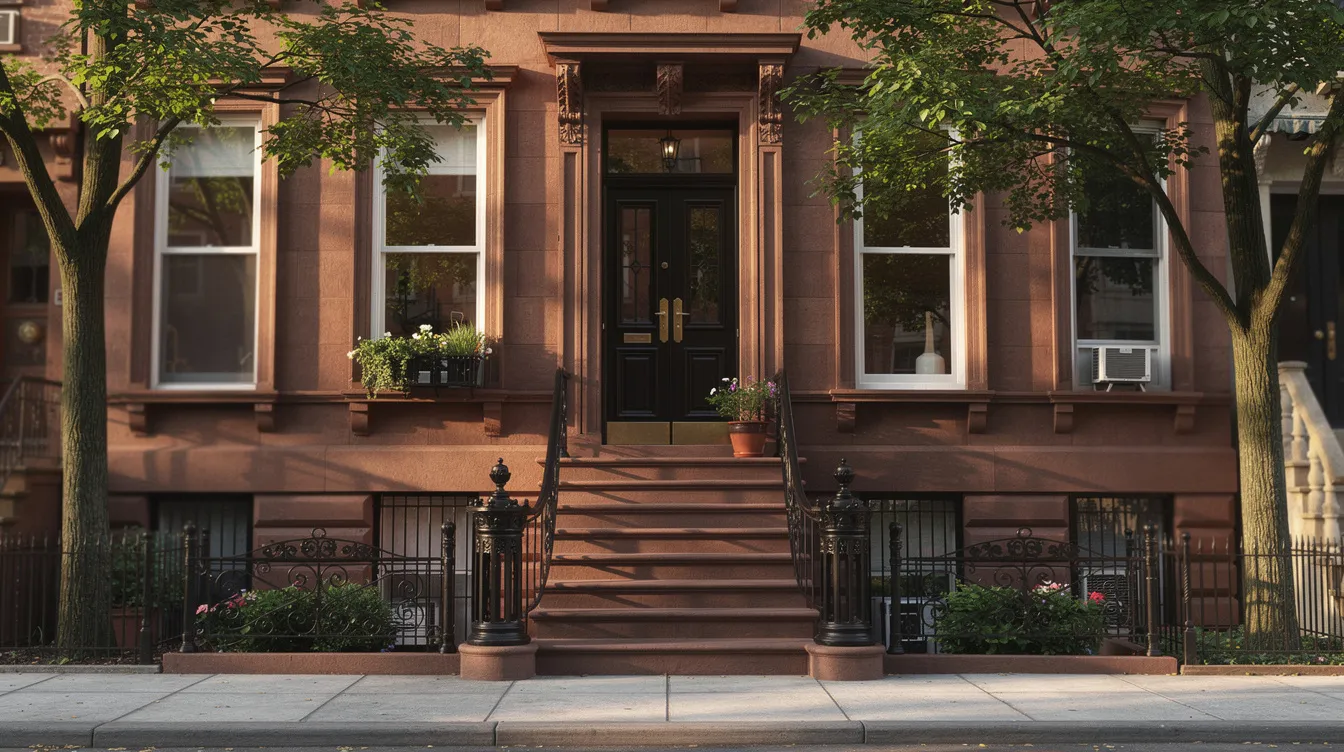
A step-by-step guide to inspections, renovation planning, and pricing a brownstone.
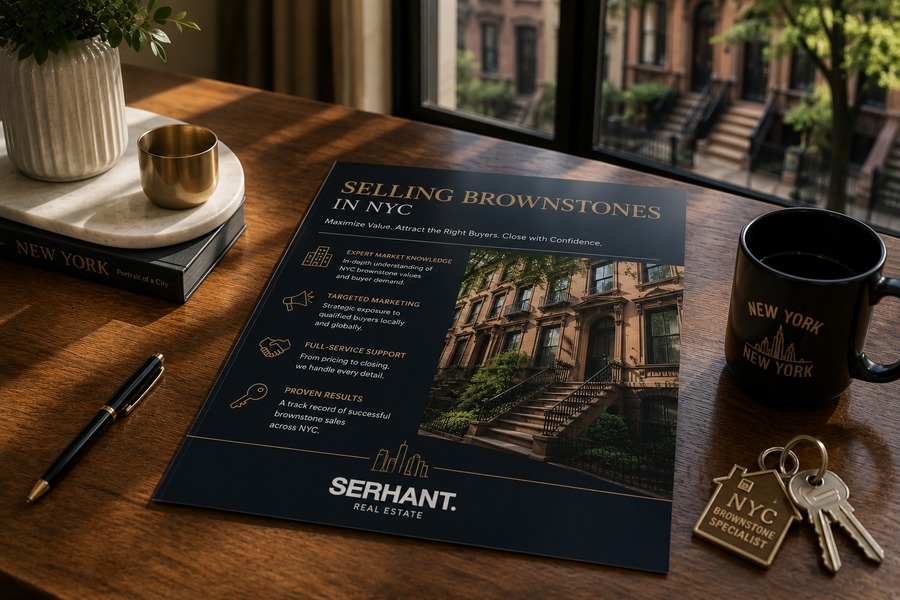
How to prepare, price, and sell a NYC brownstone.
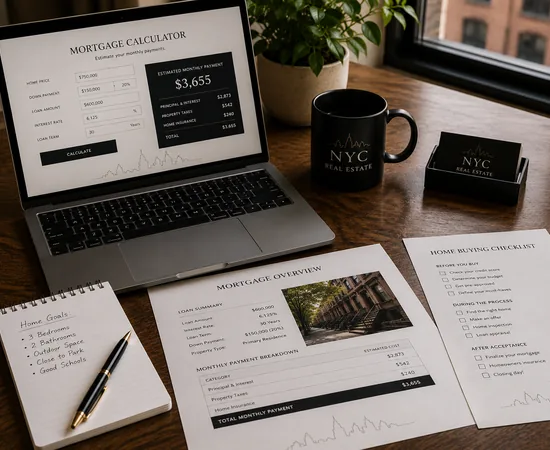
Estimate closing costs, compare renting and buying, and plan carrying costs.
Estimate closing costs, compare rent vs buy, and weigh condo vs brownstone ownership.
Educate yourself on these 15 costly mistakes — the difference between a successful purchase and a disastrous one.
Looking at a brownstone in Harlem? Taking the time to educate yourself on these 15 costly mistakes can make all the difference between a successful purchase and a disastrous one.
Reach out for buyer representation, listing strategy, or a confidential valuation with Stanley Montfort.