Buying a co-op in Park Slope is a different process from buying a house or a condo. You are buying shares in a corporation, the building's board has to approve you, and the monthly maintenance covers far more than upkeep. Get any of those wrong and a good apartment turns into a rejected application or a surprise assessment.
Stanley Montfort, a Licensed Associate Real Estate Broker with SERHANT, has guided buyers and sellers through co-op transactions since 2017, and has never had a co-op board application rejected.

Smooth transaction with limited risk
No pressure to over pay and buy within a certain time period
A team of people that will be with you even after the transaction is complete
Live listing data provided by OLR IDX. Need help? Contact us or log in to your customer account.
When you buy a co-op, you don't receive a deed. You buy shares in the corporation that owns the building, and a proprietary lease gives you the right to live in your apartment. That structure is why co-ops usually cost less than comparable condos, and why they come with more rules.
Park Slope's co-op stock is varied:
pre-war elevator buildings near Prospect Park West;
brownstones and limestones converted into small co-ops of a handful of units;
a smaller number of mid-century and newer buildings toward the South Slope.
cond-ops: co-op buildings, often on the avenues, where the ground-floor retail space is a separate condo owned by an outside investor.
A small brownstone co-op and a 60-unit pre-war building can have very different finances and rules, even on the same block.
What to expect in almost every Park Slope co-op purchase:
Board approval. The board reviews your finances and usually interviews you before the sale can close.
Financial requirements. Many buildings expect a down payment of 20% or more, plus savings left over after closing (post-closing liquidity). Some set a maximum debt-to-income ratio.
Monthly maintenance. This covers your share of the building's real estate taxes, the underlying mortgage, staff, insurance and repairs.
House rules. These cover subletting, pets, renovations, and whether guarantors, co-purchasers or pied-à-terre use are allowed.
Screening buildings before you fall for an apartment. Stanley checks a building's financing limits, sublet policy and approval history up front, so you don't spend weeks on a building that won't accept your situation.
Reading the financials. He goes through the audited financial statements, reserve fund, underlying mortgage and two years of board minutes for planned assessments or major repairs.
Pricing from co-op comps. Offers are based on closed co-op sales with similar maintenance, not on condo prices that don't compare.
Building the board package. Financial statements, tax returns, reference letters and the purchase application are assembled and checked for gaps before they go to the managing agent.
Preparing you for the interview. You know what the board is likely to ask, and what not to volunteer.
A co-op sale doesn't close at contract. It closes when the board approves your buyer. A strong sale means choosing a buyer the board will accept, not only the highest offer.
Pricing is based on closed co-op sales in comparable buildings, adjusted for maintenance, floor, light and condition.
Buyers are pre-screened against your building's financial requirements before an offer is accepted, so a deal doesn't fall apart at the board stage.
Building documents are requested early from the managing agent (financials, house rules, sublet and alteration policies), so buyers' attorneys aren't left waiting.
Flip tax and transfer costs are identified up front, so your net proceeds hold no surprises.
Audited financial statements (the last two years)
Reserve fund balance, and whether it has been falling
Underlying mortgage: balance, interest rate and when it comes due
Maintenance history and any planned increases
Special assessments, past and proposed
Board minutes (the last two years)
Facade inspection (FISP / Local Law 11) status
Local Law 97 exposure for larger buildings
Sublet, pet, renovation and guarantor policies
Flip tax, and who pays it
Licensed Associate Real Estate Broker with SERHANT, in NYC real estate since 2017
100+ transactions and over $100 million in sales
Never had a co-op board application rejected
REBNY member
Background in law and the U.S. Navy, and a former VP at Citi, so financial documents get a close read
Responds within 24 hours
"…he helped us navigate the complicated co-op board approval process. We can't recommend working with Stanley enough!"
— Kate C., Google review
North Slope, Center Slope and South Slope, plus nearby Prospect Heights, Gowanus, Windsor Terrace and Greenwood Heights.
Usually three to eight weeks after the board package is submitted. Timing depends on how often the board meets and how complete the package is. A package with no gaps is the biggest factor you control, which is why Stanley checks every page before it goes in.
Boards look for buyers who can comfortably carry the apartment. That usually means a manageable debt-to-income ratio, savings left over after closing, steady income and good credit. They also read your reference letters and look for any reason you might not follow the building's rules.
Most interviews are short and confirm what's already in your package: your job, your finances, why you chose the building, and any plans to renovate or sublet. The board is rarely trying to catch you out. Stanley prepares you so you answer clearly and don't volunteer things the board didn't ask about.
Typically at least 20%, and some buildings require more. Boards also look at savings left after closing, often one to two years of mortgage and maintenance payments. Each building sets its own rules, so check them before you make an offer.
The main downsides are board approval, stricter rules on subletting and renovations, and usually a smaller pool of buyers when you sell. In return, co-ops usually cost less than comparable condos. Whether that trade works depends on how long you plan to stay and how much flexibility you need.
It takes more preparation than selling a condo, because your buyer also has to pass the board. Pricing from co-op comps, pre-screening buyers against the building's requirements, and having building documents ready early are what keep a sale from falling apart at the board stage.
Usually the seller, though some buildings or contracts shift it to the buyer. A flip tax is a fee some co-ops charge on a sale, often a percentage of the price, and it goes to the building's reserves. Sellers should include it in their net proceeds estimate from the start.
Planning to buy or sell a Park Slope co-op? Tell Stanley about the building or the apartment you have in mind, and he'll tell you what to check first.

 Posted on Google
Stanley Montfort represented me in the sale of my home in Hamilton Heights. He is professional in his approach and brings his warm, personable demeanor into all his interactions. I selected Stanley to represent me after doing a thorough analysis of realtors in the Hamilton Heights area looking at number of closed tra…
 Posted on Google
Stanley was great to work with. He worked with our schedule, took the time to understand our priorities, showed us a range of properties in different areas that could suit our needs and helped us strategize our approach. He was also a great resource in helping us find local connections for inspections, repairs, etc.…
 Posted on Google
Thank you for a streamlined process from start to finish ensuring the right place was found and secured without haste!
 Posted on Google
We had a great experience working with Stanley. He taught us a lot about the specific market we were looking in, which enabled us to make a very good decision on purchase of a new home.
 Posted on Google
Stanley was the dream real estate agent we didn’t know we deserved! From the beginning he was attentive to our curiosity to help us figure out what type of property we wanted - and could afford. Throughout the process he was a calm and patient presence in our lives, offering us sincere and sage perspectives to keep u…
 Posted on Google
Stanley is amazing! No one knows the Harlem market better than him, and his deep expertise was a tremendous resource. He taught me along the way how to spot 'red flags' and talked me out of making an offer on a place that seemed amazing but had, upon his close inspection, evidence of poor workmanship and lots of cut co…
 Posted on Google
Stan is extremely knowledgeable and professional. He also has the utmost patience! He helped me sell my home and purchase a condo at the same time. My home had all types of special contingencies but he was able to find me a buyer and get me very close to the price I wanted. I was very specific in terms of the property…
 Posted on Google
Stanley is the consummate professional! He made sure my listing has excellent and consistent foot traffic and quality candidates for our showings. This sale had some challenges, but Stanley never wavered. Ultimately we were successful and I’ll use him again and again for future real estate transactions.
Practical guides from Stanley Montfort on buying, selling, and pricing NYC homes.

How the co-op sale process works, including board review and the documents to prepare.

Request a free valuation that considers board requirements, building trends, and the market.
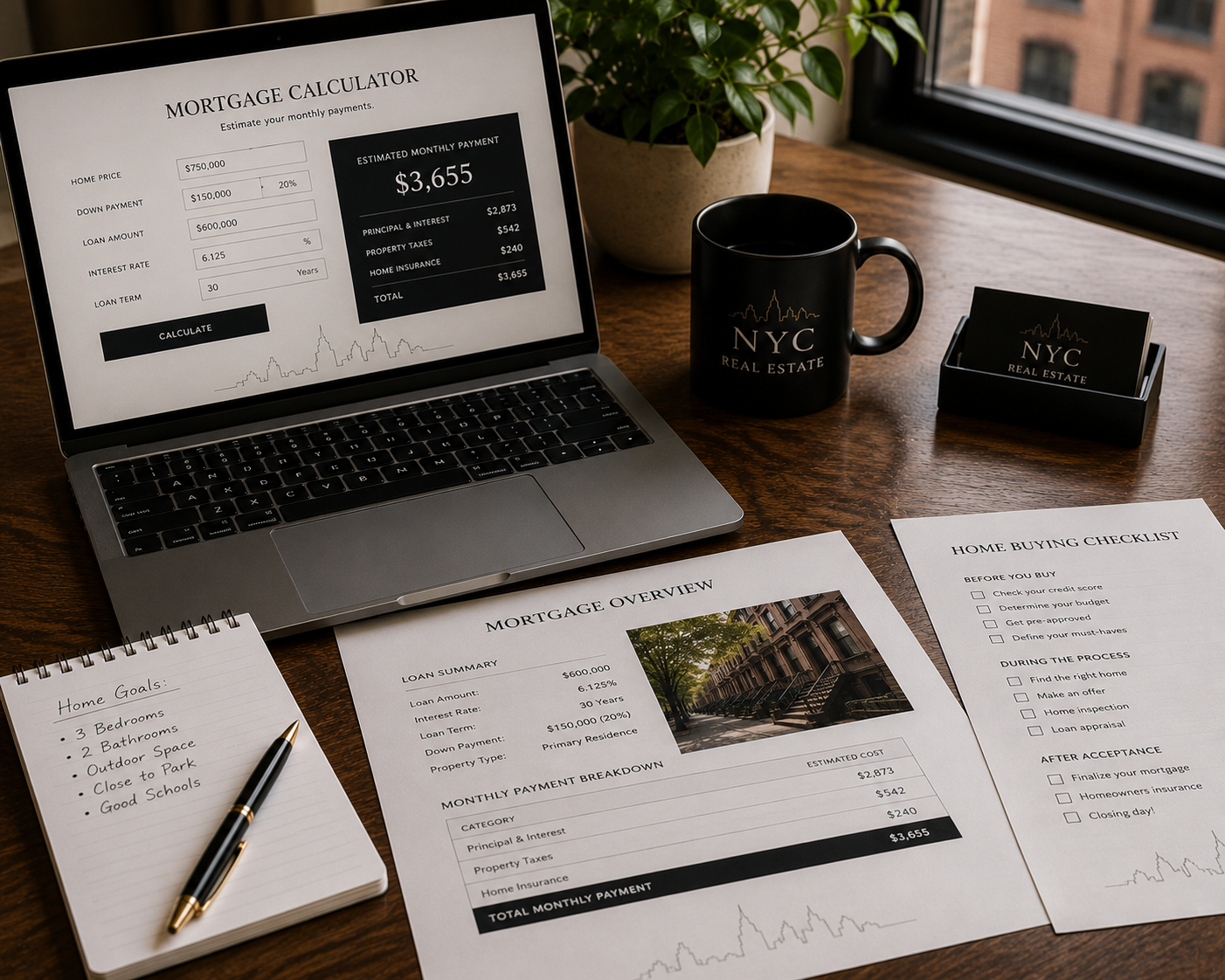
Estimate monthly payments and closing costs before you start your search.
Reach out for buyer representation, listing strategy, or a confidential valuation with Stanley Montfort.