
Selling Condos in NYC — Expert Guidance to Maximize Your Sale
We’ll help you maximize your condo’s value, attract qualified buyers, and navigate the sale process smoothly from listing to closing.
SMOOTH TRANSACTION
With limited risk throughout the buying process.
NO PRESSURE
No pressure to overpay or purchase within a specific timeframe.
ONGOING SUPPORT
A dedicated team that remains available even after the transaction is complete.
Selling Condos in NYC: Complete Guide and Expert Services
Expert NYC Condo Listing and Marketing Services
Selling an NYC condo starts with one question: what will a qualified buyer pay for your unit today? Not what you paid, not what your neighbor listed for-but what the current market, your building's financials, and your unit's specific strengths actually support.
I'm Stanley Montfort, and I've spent years helping condo owners throughout Manhattan and Brooklyn answer that question with precision, then build a marketing strategy around it that attracts serious offers. Whether you own a luxury high-rise unit overlooking Central Park or a boutique Brooklyn conversion, my approach is the same: analyze the data, prepare the property strategically, and position your listing to reach local, national, and international buyers seeking NYC condominiums.
Why Selling a Condo Requires a Specialized NYC Strategy
Condominiums present unique selling opportunities that differ significantly from co-ops and single-family homes. Understanding these differences isn't optional-it's the foundation of every successful sale I manage.
Here's why selling a condo demands a specialized approach:
Broader buyer pool through financing flexibility. Condo owners fully own their units, which means buyers have more flexibility when it comes to financing. Some condo buildings accept down payments as low as 10%, though 20% is standard. Compare that to a co op, where buyers own shares in a corporation that owns the building-and where boards typically require at least 20% down with substantial post-closing liquidity. This financing flexibility means your condo attracts more qualified purchasers from day one.
No board approval means faster closings. One of the biggest advantages of selling a condo versus a co op is speed. Condo sales do not require board approval, unlike co-ops, which demand full board interviews, extensive purchase application packages, and weeks of review. Condos typically have only a right of first refusal, which boards rarely exercise. Condo sales typically move faster than co-op sales-and fewer deals fall apart because of board complications.
International and investment buyers prefer condos. Highlighting fewer restrictions on subletting makes condos more desirable to investors. International buyers seeking pied-à-terre properties overwhelmingly choose condos because of simplified approvals and flexibility around usage. This expands your buyer pool well beyond local homeowners.
Common charges and amenities directly impact pricing. Buyers evaluate monthly common charges carefully against building amenities and services. A unit in a full-service building with a doorman, fitness center, and roof deck commands a premium-but only if the condo association maintains strong financials and the carrying costs feel reasonable relative to what the building offers.
Professional marketing ensures competitive exposure. With the right strategy, your listing reaches qualified buyers across every channel-from StreetEasy and major platforms to international broker networks and targeted digital campaigns.
When I sit down with a condo seller, one of the first things I evaluate is how these factors interact for their specific unit and building. Every condominium is different, and the selling process needs to reflect that.
Our Condo Selling Services

Manhattan Condo Sales
Manhattan remains the most dynamic condo market in the country. I provide specialized marketing for luxury high-rises, pre-war conversions, and boutique buildings throughout Manhattan neighborhoods-from the Upper East Side and Upper West Side to Midtown, Chelsea, Tribeca, and the Financial District.
My Manhattan condo marketing targets buyers seeking primary residences, investment properties, and international pied-à-terre purchases. In Q1 2026, resale condos represented approximately 30% of Manhattan's market share, with new development condos around 15%. Active inventory is slightly down compared to the prior year, indicating a tightening market where strategic pricing and preparation matter more than ever.
Brooklyn Condo Marketing
Brooklyn's condo market has matured dramatically. I handle strategic positioning for new developments, converted buildings, and established condo communities across neighborhoods like Brooklyn Heights, DUMBO, Williamsburg, and Park Slope.
Brooklyn attracts buyers relocating from Manhattan who want more space, as well as first-time purchasers seeking value without sacrificing transit accessibility. Common charges tend to be lower than Manhattan-roughly $1–$2 per square foot versus Manhattan's average around $3.20 per square foot-which gives Brooklyn condos a distinct selling advantage when buyers account for total monthly carrying costs.
Top 10 Critical Factors That Determine Your Condo's Sale Price
One question I always discuss with sellers early on is what actually drives their unit's value. Many homeowners assume it's primarily about square footage, but NYC condo prices depend on location and inventory levels along with a constellation of other factors. Here's what matters most:
Location and neighborhood desirability within NYC. Transit access, school districts, walkability, and commercial development all weigh heavily on buyer decisions.
Floor level and natural light exposure. Higher floors with multiple exposures and abundant natural light consistently command higher price per square foot. Buyers prioritize updated interiors and luxury amenities, but light and floor level are factors you can't renovate.
Monthly common charges and building financial health. Buyers evaluate whether the building has strong reserve funds, a history of stable assessments, and recent capital improvements. Buildings without these can penalize a unit's value significantly.
Building amenities and doorman services. Full-service staffing, concierge, gym, pool, roof deck, package room, and parking all add value-but must be justified by the common charges they support.
Unit layout, size, and renovation quality. Efficient layouts with minimal wasted space outperform larger but awkwardly configured units. Condos built after 2015 sell at approximately 58% higher prices than older comparables, and well-renovated units in older buildings can close that gap.
Views of city skyline, parks, or water. View corridors and landmark sightlines create substantial premiums that are immediately reflected in comparable sales data.
Storage space and in-unit laundry availability. These practical amenities are increasingly important to buyers, especially in a city where space is limited.
Building reputation and recent comparable sales. I always analyze 3–6 most recent sold comparables in the same building and neighborhood, adjusting for exposure, floor, condition, and amenities. Using price per square foot is the most accepted valuation metric for condos.
Property taxes and any active tax abatements. Whether the unit benefits from a J-51 or 421a abatement-or faces high assessed value-affects monthly burden and buyer affordability calculations.
Market timing and current inventory levels. Spring and fall see the highest buyer activity in NYC. Listing during peak demand with the right pricing strategy can be the difference between multiple offers and months of market time.
Our Proven Condo Selling Process
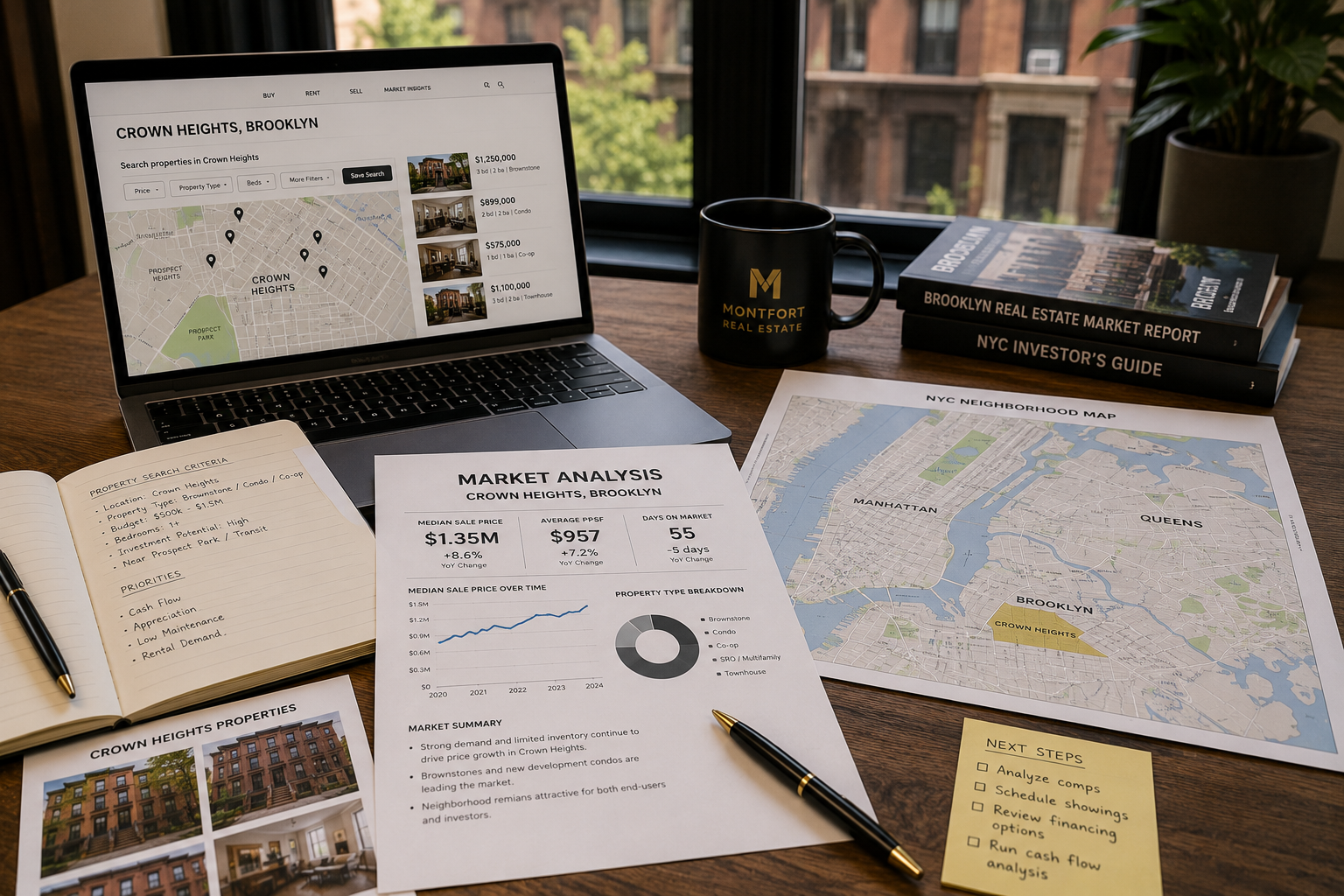
Step 1: Comprehensive Market Analysis
Before listing a condo, I conduct a thorough market analysis. This means evaluating recent comparable sales in your building and neighborhood to determine the optimal asking price-not a hopeful number, but a strategic one.
Pricing within 5% of comparable sales increases showing requests by 40%. Overpricing a condo leads to extended time on the market, and listings that find a contract within the first 30 days are more likely to sell at or above the asking price. If market interest is low, early price adjustments are better than letting a listing become stale.
I also analyze current market conditions, buyer trends, and competitive inventory. In today's market, condos priced below $3 million can struggle to find buyers in certain Manhattan corridors-understanding where demand exists and where it's softening is critical.
Step 2: Property Preparation and Staging
One of the biggest mistakes I see condo sellers make is underestimating how much preparation matters. When preparing a condo for market, I assess necessary repairs, cosmetic improvements, and staging recommendations to maximize buyer appeal.
Here's what I recommend:
A fresh coat of paint can enhance appeal more than almost any other single improvement. Neutral, contemporary colors photograph well and feel welcoming.
Deep cleaning includes professional carpet cleaning and grout restoration. Buyers notice details, and a spotless unit signals careful ownership.
Addressing minor repairs helps avoid negotiation issues. Leaky faucets, cracked tiles, or sticky doors give buyers ammunition to negotiate price cuts.
Organizing closets can showcase the condo's storage functionality. In NYC, storage space is a premium feature-don't hide it behind clutter.
Professional staging increases sale prices by 6%. Staging should highlight the condo's strengths with curated decor that lets buyers envision their life in the space, not your personal belongings.
I also coordinate professional photography, virtual tours, and marketing materials. Professional marketing should include HDR photography and virtual tours-high-quality photography causes listings with 3D tours to receive 16% more saves on platforms like StreetEasy. These aren't optional extras; they're essential for any condo seller who expects competitive offers.
Step 3: Strategic Marketing Launch
Marketing a condo isn't about listing it and hoping someone calls. It's about creating exposure across every relevant channel:
Major platforms: I list on StreetEasy, Zillow, and luxury marketing networks to maximize digital visibility.
Targeted outreach: I implement direct outreach to qualified buyers and broker networks, including buyer's broker relationships I've built over years of NYC transactions.
International reach: For luxury listings, I leverage foreign agent networks and digital marketing to reach global buyers-virtual tours, floor plans, and professional video walkthroughs are essential for international purchasers who may not attend open houses in person.
Open houses and private showings: Strategically timed events designed to generate urgency and competitive interest.
Step 4: Offer Management and Closing
When offers come in, I evaluate far more than just the price. I assess buyer financing strength (cash versus financed), contingencies, proposed closing timeline, lender pre-approval versus pre-qualification, and whether the buyer has requested seller concessions on closing costs or transfer fees.
Transparent documentation increases buyer confidence during negotiations. I coordinate with attorneys, manage building documentation requirements, and ensure a smooth closing process. For condo sales, the typical timeline from contract to closing runs 45–60 days for financed deals; all-cash transactions can close in 30–45 days.
The entire selling process in NYC takes two to four months from listing to closing, depending on pricing accuracy, preparation quality, and market conditions.
Client Success Stories
"Stanley's pricing analysis was spot-on. We listed our Upper East Side two-bedroom at his recommended price and received a strong offer within three weeks. His staging advice and photography made our unit stand out against newer competition in the building."
– David & Rachel P., Upper East Side Condo Sellers
"We were nervous about selling our Brooklyn Heights condo while relocating out of state. Stanley handled everything-preparation, open houses, negotiations, and closing coordination. The entire transaction was smoother than we expected."
– Amanda K., Brooklyn Heights
"Our DUMBO loft attracted an international buyer through Stanley's marketing network. He managed the entire deal, including navigating the building's right of first refusal process, and we closed in under 50 days."
– Marcus T., DUMBO Condo Owner
Frequently Asked Questions
How long does it typically take to sell a condo in NYC?
The selling process in NYC takes two to four months from listing to closing. From listing to contract acceptance, expect approximately 2–3 months depending on pricing accuracy, property condition, and market demand. Once under contract, financed deals generally close in 60–90 days; all-cash transactions sometimes in 30–45 days.
Compare that to co op sales, which often take 90–120 days from contract to closing due to board approval requirements, interviews, and extensive board package review. This is one of the key reasons condo sales typically move faster than co-op sales.
Spring is generally the best time to list condos in NYC, though fall also produces strong buyer activity. I always advise sellers to be aware of seasonal patterns and plan their listing timeline accordingly.
What documents do I need to prepare before listing my condo?
Sellers must prepare building documents before listing their condo. One of the first things I tell every seller is to gather the necessary paperwork in advance:
Offering plan (especially for condo conversions or sponsor units)
Building financial statements and recent board meeting minutes
Reserve fund status and history of assessments
Monthly common charge statement and current budget
Property tax bills and proof of any active tax abatements
Certificate of occupancy (if relevant)
Alteration agreement history for any renovations performed
Title deed and proof of ownership
Be transparent about building information to speed up transactions. Having this paperwork organized before your first showing eliminates delays that can kill deals and demonstrates to every buyer and their real estate agent that you're a serious, prepared seller.
Should I make renovations before selling my condo?
This is one of the most common questions I discuss with sellers, and the answer depends entirely on your unit's condition relative to comparable sales in your building and neighborhood.
Cosmetic improvements typically deliver the best return. Paint, updated light fixtures, modern hardware, and minor kitchen or bathroom refreshes often yield outsized results. Professional staging increases sale prices by 6%-far more cost-effective than a $150,000 kitchen renovation.
Major renovations are risky unless your unit is significantly below neighborhood standards. A full kitchen and bathroom renovation in a Manhattan luxury condo can cost $80,000–$200,000+, and the return isn't guaranteed. Over-upgrading relative to comparables risks overcapitalizing-spending money you won't recover at closing.
My advice: decide based on data, not hope. I walk through every unit and recommend specific improvements calibrated to what buyers in that building and neighborhood expect to pay for.
What are the typical seller fees and closing costs?
Closing costs can range from hundreds to thousands of dollars depending on your sale price and transaction structure. Here's what sellers should expect to pay:
| Cost Category | Typical Range |
|---|---|
| Broker Commission | 5–6% of the sale price |
| NYC Transfer Tax (Sale Price Up to $500,000) | 1.00% |
| NYC Transfer Tax (Sale Price Above $500,000) | 1.425% |
| Attorney / Legal Fees | $2,000–$5,000+ |
| Move-Out or Transfer Fees | Varies by building |
| Building Application Fees | Varies |
Sellers may incur move-out or transfer fees from condo buildings, and broker commissions in NYC typically range from 5% to 6% of the sale price. Condos usually have higher closing costs than co-ops due to transfer taxes and recording fees. I always walk sellers through a detailed cost estimate before we sign the listing agreement so there are no surprises at closing.
How do common charges affect my condo's sale price?
Every buyer and their buyer's broker will scrutinize your building's common charges. In Manhattan, the average is approximately $3.20 per square foot-for a typical 700-square-foot one-bedroom, that's roughly $2,200+ per month before property taxes.
High common charges aren't necessarily a deal-killer if they're justified by strong amenities, services, and building financial health. But unexplained high charges-or a building with a history of frequent assessments and deferred maintenance-will drive buyers away or lead to aggressive price negotiations.
Managing building-specific processes is critical for successfully selling condos in NYC. I always review the condo association's financials, reserve fund, and assessment history before we set pricing, because these factors directly influence what a buyer is willing to pay.
Ready to Sell Your NYC Condo?
Get Your Free Condo Valuation
Every condo sale starts with understanding exactly where your property stands in today's market. I provide a personalized pricing strategy based on recent comparable sales, your building's financial profile, current inventory levels, and your unit's specific strengths.
My goal isn't to simply list your apartment-it's to build a plan that maximizes your sale price and attracts the right buyer for your property. Whether you're selling a Manhattan luxury unit or a Brooklyn conversion, I bring the same data-driven approach, hands-on preparation guidance, and negotiating expertise to every transaction.
Phone: 1-646-970-1078 Email:[email protected] Address: 8 West 126th Street, New York NY 10027
Recent News & Realtor Advice
Stay in the loop on the latest events, news, & happenings in and around our community!
Upper West Side Townhouse Q2 2024 Market Report
On the Upper West Side, we observed a distinct trend that diverges from the citywide patterns. Speci…
Harlem Brownstone Q2 2024 Market Report
The Harlem brownstone market has seen an increase in sales activity since this time last year. In Q2…
Discover Your Dream Home: Explore Apartments for Sale on the Upper West Side
Are you searching for your dream home in one of New York City’s most sought-after neighborhoods? Loo…