
We’ll help you find the right Upper West Side condo by identifying hidden costs, evaluating building finances, and ensuring you make a smart long-term investment

Smooth transaction with limited risk
No pressure to over pay and buy within a certain time period
A team of people that will be with you even after the transaction is complete
Live listing data provided by OLR IDX. Need help? Contact us or log in to your customer account.
If you're buying or selling a condo on the Upper West Side, the difference between a strong outcome and a costly mistake often comes down to how well your realtor understands this specific market. Two condos listed at the same price on the same block can represent fundamentally different ownership propositions once you account for floor level, exposure, building financials, carrying costs, and recent same-building sales. An Upper West Side condo realtor who evaluates apartments at the building and unit level-not just neighborhood averages-protects buyers from overpaying and positions sellers to close at optimal prices within a realistic timeline.
Stanley Montfort provides specialized condo buyer and seller representation across the Upper West Side, from Lincoln Square through the West 90s, Central Park West to Riverside Drive. Whether you're evaluating a resale condo against a new development, preparing to list in a market with approximately 1,295 homes for sale, or comparing sponsor terms against competing inventory, the process begins with a focused consultation.
Choosing an Upper West Side condo realtor based on transaction volume alone misses the point. What matters is whether your agent understands the specific building you're considering, the unit line history, and the financial health of the condominium-not just the listing photos.
Deep UWS condo transaction experience across resale, new development, and sponsor sales in Manhattan, NY
Building-level financial analysis including reserve funds, assessments, operating budgets, and arrears review before recommending any purchase
Unit-level comparable methodology that accounts for floor, exposure, views, layout efficiency, outdoor space, and carrying costs-not just price per sq ft
Seller results consistently at or near asking price; the average home on the Upper West Side sells for 99% of the asking price, and well-positioned listings often outperform that benchmark
Knowledge of UWS condo declarations, offering plans, and sponsor regulations specific to Manhattan condo transactions
One of the first things I review when evaluating an Upper West Side condo is how the building's financial position affects both current ownership costs and future resale potential. A generic Manhattan real estate agent may identify a two-bedroom at an attractive price per square foot without recognizing that the building carries deferred maintenance, insufficient reserves, or a pending special assessment that will materially change the ownership cost.
Upper West Side condo real estate operates across distinct micro-markets. A converted pre-war building on West End Avenue and a glass-and-steel new development near Lincoln Square serve different buyer pools, carry different monthly costs, and trade at different price points per sq ft-even when the apartments are similar in size. An experienced Upper West Side condo realtor identifies these differences before you begin your search or set your asking price.
Building-level analysis: Financial statements, reserve funds, capital improvement schedules, assessment history, insurance, occupancy ratios, and percentage of rentals vs. owner-occupied units all affect buyer confidence and lender willingness
Unit-level valuation: Same-building comparable sales adjusted for floor level, exposure, natural light, views, layout efficiency, renovation quality, and outdoor space provide more accurate pricing than neighborhood-wide averages
Micro-market knowledge: Price levels, buyer demand, carrying costs, and inventory competition vary significantly between Lincoln Square, the West 70s, the West 80s–90s, and premium corridors like Central Park West and Riverside Drive
Resale vs. new development comparison: Total acquisition cost-including sponsor closing costs, capital contribution fees, and projected property taxes-often changes which option represents better value
Stanley Montfort's Upper West Side condo services are structured around the specific decisions buyers and sellers face in this market. Every engagement starts with a clear understanding of your objectives and a realistic assessment of current conditions.
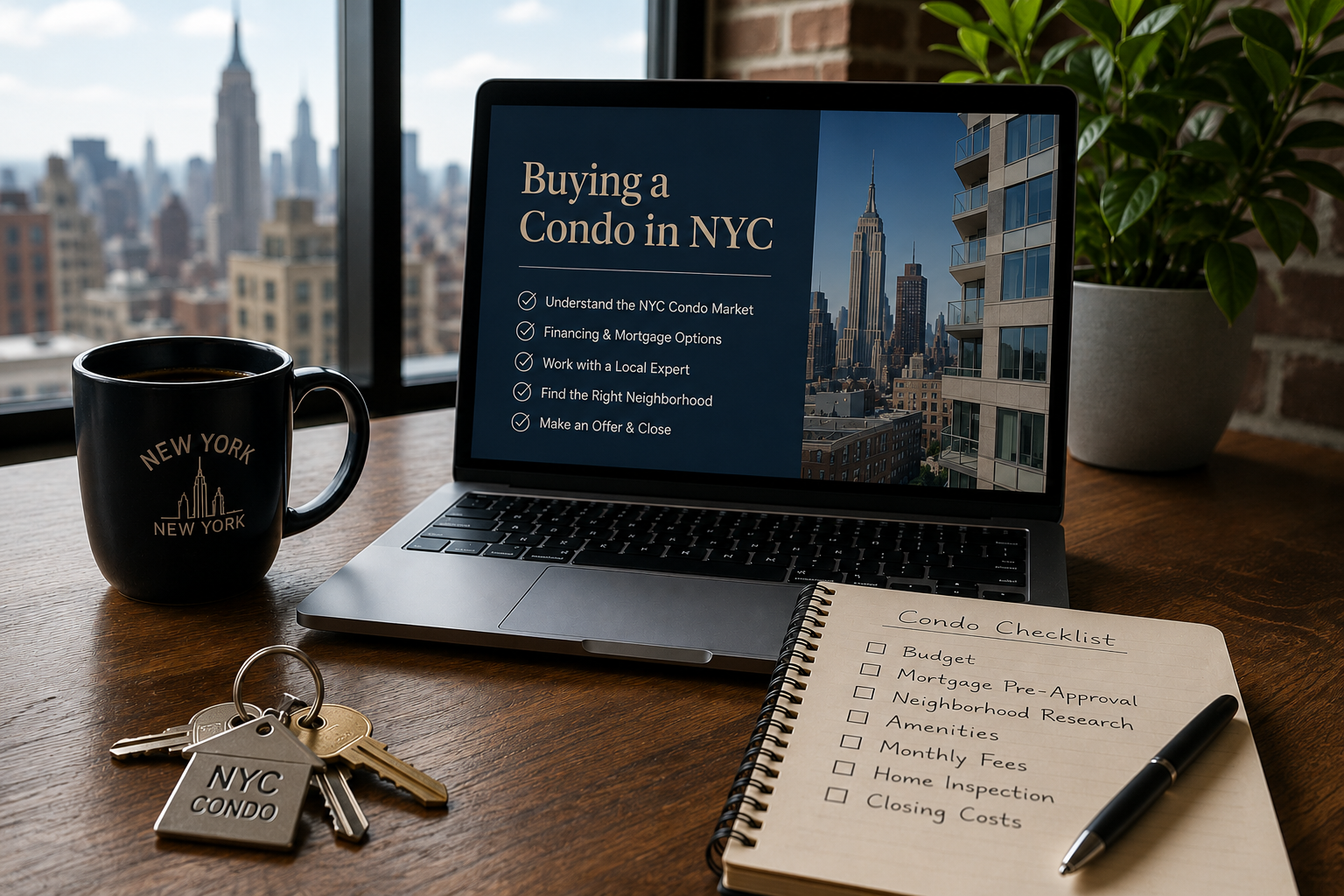
Buying a condo on the Upper West Side requires evaluating far more than listings and open houses. As your Upper West Side condo buyer's agent, Stanley assembles a targeted building list based on your budget, preferred location, layout requirements, and amenity priorities-then analyzes each option at the building and unit level.
A buyer's agent facilitates coordination between buyer, seller, attorneys, and board processes. This includes reviewing building financial statements and maintenance history, analyzing same-building comparables, negotiating based on condition, floor, and exposure, and identifying red flags such as pending assessments or litigation. The typical result: finding the right building and unit within your budget and closing without surprises.
Selling an Upper West Side condo means competing against significant inventory. With year-over-year listings increased by 32.64% and median days on market at 75 days, pricing accuracy and strategic positioning matter more than ever.
Stanley evaluates your condo's competitive position through recent same-building and comparable transactions, unit line history, floor level, exposure, views, renovation quality, outdoor space, building reputation, common charges, and property taxes. The marketing strategy targets the buyer demographics most likely to value your apartment's specific strengths-not just broadly advertising to anyone searching for Manhattan condos.
When two units in the same building sell at different prices, the explanation is rarely just square footage. Price per square foot for Upper West Side condos averages roughly $1,677, but that figure masks enormous variation. A higher-floor apartment with Central Park exposure, a private terrace, and lower relative carrying costs may trade 15–30% above a similar-sized unit on a lower floor with obstructed views.
Stanley's valuation methodology incorporates same-building transaction history, comparable unit lines in nearby buildings, floor and view premiums, carrying cost differentials, building financial health, amenity relevance, and current competing inventory. For buyers, this prevents overpaying. For sellers, it prevents both underpricing and overpricing that leads to extended market time.
UWS condo transactions differ from co-op purchases in several important ways. Condos generally have higher closing costs than co-ops, but Upper West Side condos offer flexibility compared to co-ops regarding subletting and financing. Condos also avoid the rigorous board approval process that co-ops require, though buying a condo in NYC still requires financial disclosure and reference letters for the condo association.
Understanding this process-especially where delays commonly occur-helps you make confident decisions at each step.
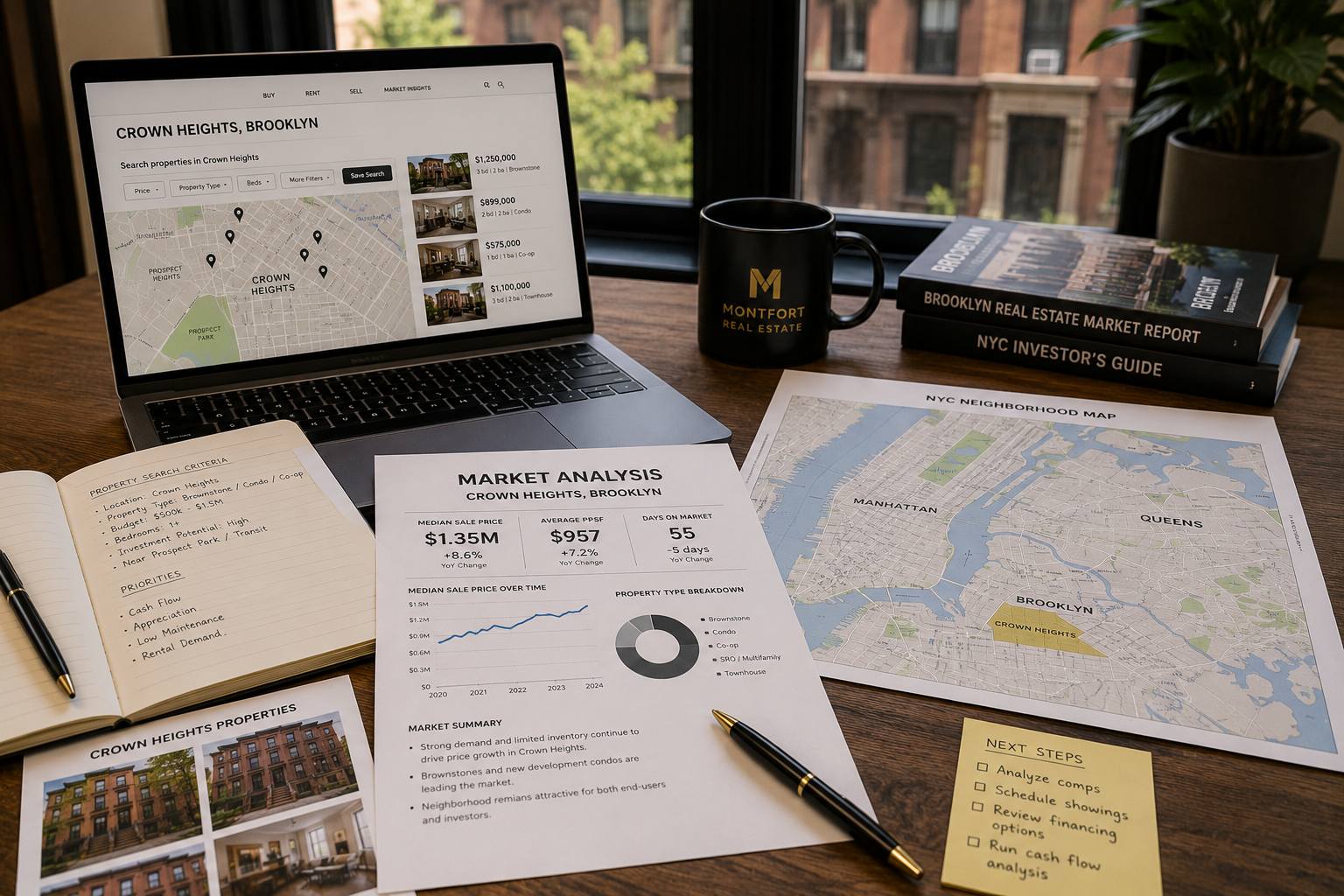
The process begins with a detailed assessment of your goals. For buyers, this means defining budget parameters, preferred locations, floor preferences, layout requirements, amenity priorities, and views. For sellers, it means analyzing your apartment's strengths and competitive position relative to active listings and recent sales.
Stanley reviews current market data-including the median price of condos on the Upper West Side at around $1.85 million and active inventory levels-to frame realistic expectations. For buyers considering new development, this includes reviewing sponsor offering plans, projected common charges, and capital contribution fees. For sellers, it includes identifying the target buyer profile and pricing strategy.
For buyers, the search phase involves evaluating specific buildings and units against you
r criteria. This goes beyond browsing listings. Stanley analyzes building financials, recent assessments, reserve fund adequacy, and comparable sales within each candidate building. Investigating a building's financial statements and maintenance history is crucial before purchase-this step alone can prevent costly mistakes.
For sellers, the marketing strategy positions your condo to attract qualified buyers efficiently. This includes professional photography, staging recommendations, MLS listing, targeted outreach through networks, and preparation of all financial and building documents that buyer's attorneys and lenders will request during due diligence.
Many buyers compare asking prices before comparing carrying costs-and that's where negotiation leverage often lives. Monthly common charges and property taxes add to the carrying costs of condos, and two similarly priced apartments can represent very different total ownership costs. Stanley negotiates based on the complete ownership proposition: purchase price, carrying costs, building financial position, competing inventory, and the seller's or buyer's specific circumstances.
NYC has a real-property transfer tax of 1.425% for residential transfers over $500,000, and new developments often involve capital contribution fees that add to closing costs. Through closing, Stanley coordinates with attorneys, lenders, title companies, and the condo association to keep the transaction on schedule. The typical closing timeline requires careful management of financing milestones, document preparation, and board notification requirements.
The Upper West Side stretches from West 59th Street to West 110th Street, bounded by Central Park to the east and the Hudson River to the west. But treating this as one market produces misleading conclusions. Neighborhood proximity significantly impacts lifestyle and resale value, and each micro-market within the UWS presents distinct condo inventory, buyer demand, carrying costs, and resale dynamics.
Lincoln Square-roughly the West 60s-features some of the Upper West Side's newest and most amenity-rich condo buildings. Proximity to Lincoln Center, multiple subway lines, and retail corridors drives strong demand from buyers who prioritize modern finishes, full-service amenities (doorman, concierge, fitness center, roof deck), and central location.
Buildings here tend to command higher price per sq ft, often reflecting brand-new construction or recent luxury conversions. Buyers in Lincoln Square typically accept higher common charges in exchange for comprehensive amenities. The buyer profile skews toward professionals, families with school-age children seeking proximity to top-rated schools, and international purchasers. One mistake I frequently see condo buyers make is comparing Lincoln Square asking prices against West 90s resale without accounting for the substantial difference in carrying costs and building class.
The West 70s offer a mix of pre-war conversions and newer boutique condominiums. This area balances residential quiet with proximity to the cultural and retail activity along Broadway and Columbus Avenue. Building age and architecture affect maintenance needs and amenities-older conversions may offer higher ceilings, larger rooms, and architectural character, while newer buildings provide modern systems and contemporary layouts.
Price levels here typically fall between Lincoln Square's premium and the more moderate ranges found further north. Buyers evaluating West 70s condos should pay particular attention to building financial health, as older conversions sometimes carry deferred maintenance costs that newer buildings don't. Parents seeking homes near well-regarded schools often focus their search in this area.
The upper portion of the Upper West Side-from the West 80s through the 90s-offers broader price diversity. Condos are available starting at $550,000 in certain buildings, making this area accessible to first-time Manhattan buyers and investors. Resale condos in pre-war conversions along Broadway, Amsterdam, and Columbus provide larger layouts at lower price per sq ft than buildings further south.
However, these buildings may carry higher maintenance costs for aging systems and facade work. When comparing resale against new development in this area, total carrying costs-not just purchase price-should drive the analysis. Buildings with strong reserves and recent capital improvements tend to retain value better than those with deferred maintenance and upcoming assessments.
Central Park West and Riverside Drive represent the premium corridors of the Upper West Side condo market. Park-facing and river-facing exposures carry substantial value premiums, but not every apartment marketed with a "park view" or "river view" delivers the same experience. Floor level, unit orientation, window count, potential obstruction from surrounding development, and seasonal light patterns all determine whether a view commands 15–30% above comparable non-view units or something considerably less.
Before recommending an asking price for a Central Park West listing or advising a buyer on a Riverside Drive purchase, Stanley evaluates the specific exposure, obstruction risk, comparable view-unit sales within the building, and how competing listings with similar views are priced. These corridors attract buyers willing to pay significant premiums, but overpaying for an obstructed or partially blocked view is one of the most common valuation errors in the Upper West Side market.
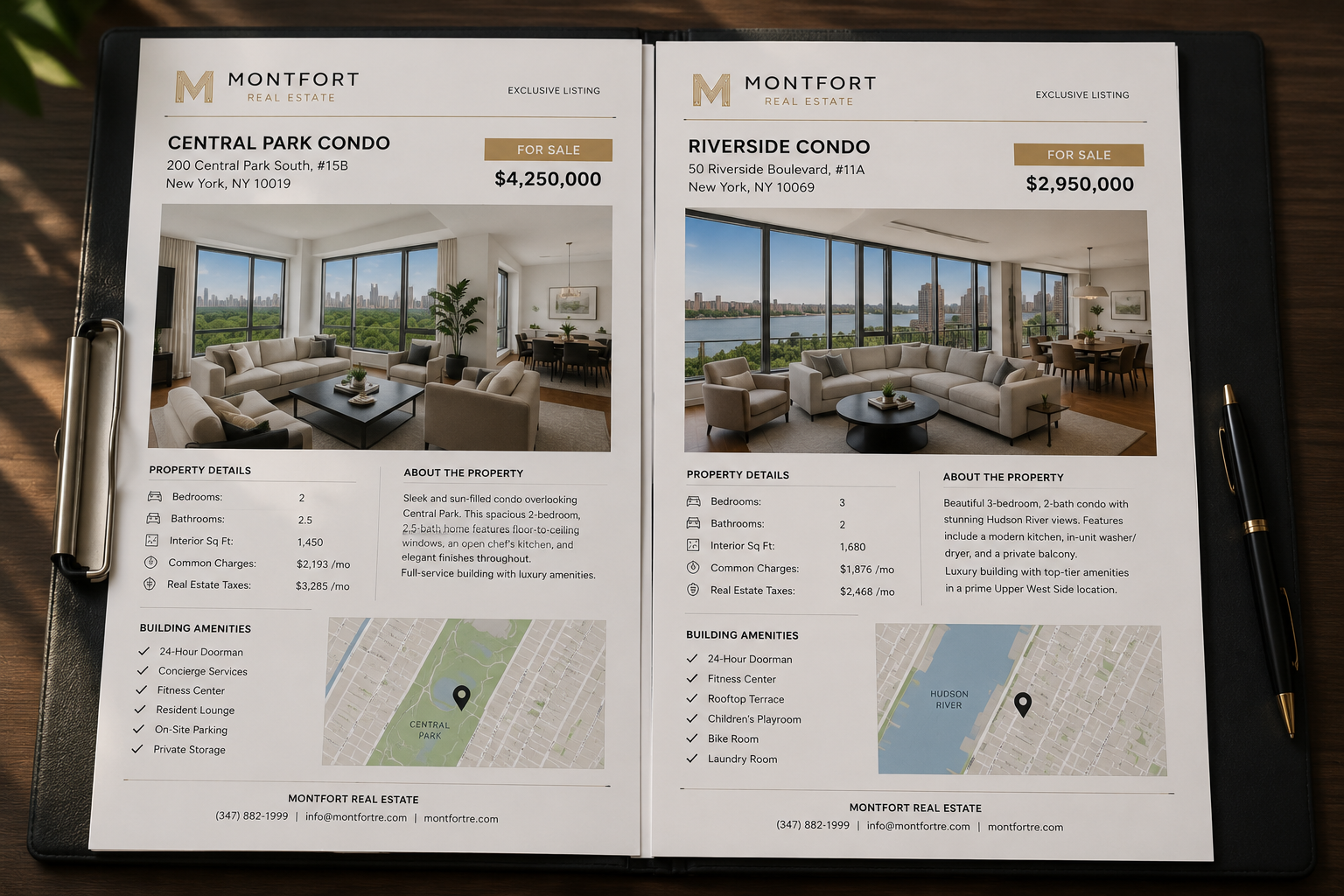
Building evaluation goes well beyond lobby impressions and amenity lists. I review audited financial statements, reserve fund balances relative to building age and size, operating budget versus actuals, outstanding debt, recent and pending special assessments, percentage of owner-occupied versus rental units, and insurance adequacy. A building with low reserves and a major capital project on the horizon-facade restoration, elevator replacement, roof work-may impose assessments that materially change your ownership costs.
For buyers, this analysis protects against unexpected financial exposure. For sellers, understanding your building's financial position helps anticipate buyer and lender concerns during due diligence. A local agent provides insights into building reputations and pricing trends that agents unfamiliar with UWS buildings cannot replicate.
Resale condos offer established buildings with known operating histories, mature common charge levels, and verifiable comparable sales within the building. New developments offer contemporary finishes, modern building systems, and often extensive amenities-but come with higher closing costs (often 2–4% above resale), capital contribution fees, projected rather than actual common charges, and limited same-building sales history. The flexibility of condo ownership includes easier resale compared to co-ops in both categories.
Sponsor ask prices frequently exceed eventual closed prices. For example, buildings like The Belnord at 225 West 86th have shown ask-to-closed price differences of nearly 20%. When comparing resale against new development, Stanley evaluates total acquisition cost-including closing costs, sponsor concessions, projected carrying costs, property tax trajectory, and future resale competition from unsold sponsor inventory-rather than comparing finishes alone.
Upper West Side home prices increased by 4.55% year-over-year, but that aggregate figure tells you little about what a specific apartment is worth. Accurate condo valuation begins with same-building comparable sales, then adjusts for floor level, exposure, views, layout efficiency, renovation quality, outdoor space, and carrying costs.
The median listing price in the Upper West Side is $1.8M, but condos range from entry-level one-bedrooms to multi-million-dollar penthouses. Two apartments with identical square footage in the same building can trade at significantly different prices based on floor, orientation, and view. Property taxes, common charges, and any assessment obligations should be factored into affordability analysis-not treated as afterthoughts.
Additionally, pied-à-terres may incur a non-primary-residence surcharge starting in 2026, which buyers considering an Upper West Side condo as a secondary home should account for in their total cost analysis. Upper West Side's median rental price is $5,000 per month, which provides context for investment-oriented buyers evaluating potential rental returns.
Whether you're beginning a condo search, preparing to list, or comparing a resale apartment against a new development option, the right starting point is a detailed conversation about your specific situation. Stanley Montfort brings building-level knowledge, unit-level valuation expertise, and practical transaction experience to every Upper West Side condo engagement.
Contact Stanley Montfort to discuss your Upper West Side condo purchase, sale, or valuation. Every consultation begins with your objectives and current market conditions-not a sales pitch.

 Posted on Google
Stanley Montfort represented me in the sale of my home in Hamilton Heights. He is professional in his approach and brings his warm, personable demeanor into all his interactions. I selected Stanley to represent me after doing a thorough analysis of realtors in the Hamilton Heights area looking at number of closed tra…
 Posted on Google
Stanley was great to work with. He worked with our schedule, took the time to understand our priorities, showed us a range of properties in different areas that could suit our needs and helped us strategize our approach. He was also a great resource in helping us find local connections for inspections, repairs, etc.…
 Posted on Google
Thank you for a streamlined process from start to finish ensuring the right place was found and secured without haste!
 Posted on Google
We had a great experience working with Stanley. He taught us a lot about the specific market we were looking in, which enabled us to make a very good decision on purchase of a new home.
 Posted on Google
Stanley was the dream real estate agent we didn’t know we deserved! From the beginning he was attentive to our curiosity to help us figure out what type of property we wanted - and could afford. Throughout the process he was a calm and patient presence in our lives, offering us sincere and sage perspectives to keep u…
 Posted on Google
Stanley is amazing! No one knows the Harlem market better than him, and his deep expertise was a tremendous resource. He taught me along the way how to spot 'red flags' and talked me out of making an offer on a place that seemed amazing but had, upon his close inspection, evidence of poor workmanship and lots of cut co…
 Posted on Google
Stan is extremely knowledgeable and professional. He also has the utmost patience! He helped me sell my home and purchase a condo at the same time. My home had all types of special contingencies but he was able to find me a buyer and get me very close to the price I wanted. I was very specific in terms of the property…
 Posted on Google
Stanley is the consummate professional! He made sure my listing has excellent and consistent foot traffic and quality candidates for our showings. This sale had some challenges, but Stanley never wavered. Ultimately we were successful and I’ll use him again and again for future real estate transactions.
Practical guides from Stanley Montfort on buying, selling, and pricing NYC homes.
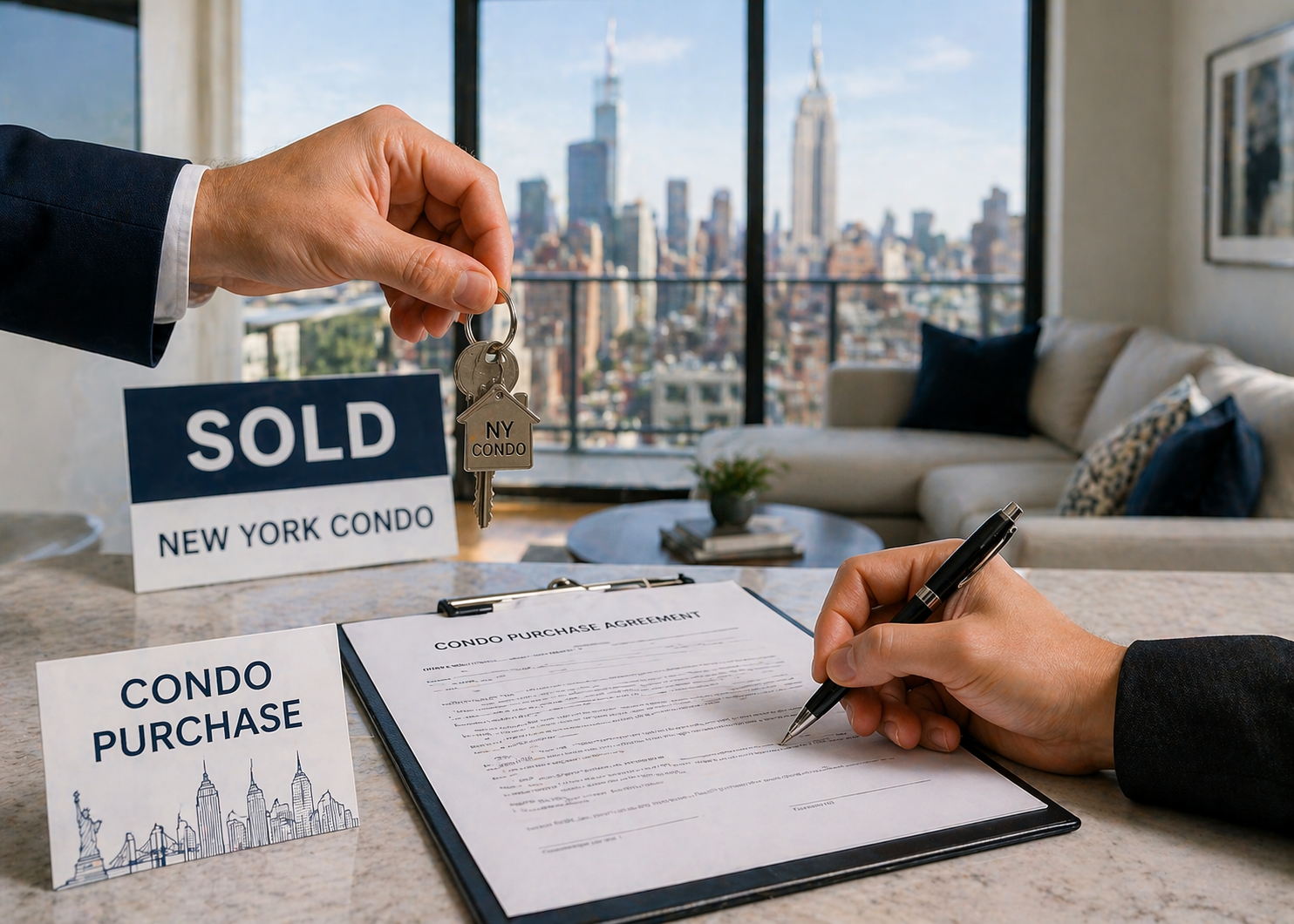
A step-by-step guide to the NYC condo buying process.

How to prepare, list, and sell a NYC condo, from listing to closing.
Request a free valuation of your condo based on current market data.
Reach out for buyer representation, listing strategy, or a confidential valuation with Stanley Montfort.