
Bedford-Stuyvesant Condos Realtor
Bedford-Stuyvesant Condo Real Estate Market
Buying or selling a condo in Bedford-Stuyvesant requires more than browsing listings. Bed-Stuy's condo inventory ranges from units inside converted brownstone townhouses to boutique new construction, and each building type presents a different ownership proposition with different carrying costs, different reserves, and different resale dynamics. The neighborhood's median sale price reached approximately $1.6 million as of March 2026, up 33.5% year over year, but median price per square foot dropped about 23.8% to $764. That split signals a mix shift: larger, more expensive properties are transacting while smaller units and average condos are softening in relative value. Understanding what those numbers mean for a specific apartment in a specific building on a specific block is the difference between a sound purchase and an expensive mistake.
Stanley Montfort works with Bed-Stuy condo buyers and sellers who need building-level analysis, not just neighborhood-level statistics. If you're evaluating Bedford-Stuyvesant condos for sale or preparing to list a unit, contact Stanley for a consultation grounded in comparable sales, building financials, and property-specific due diligence.
Why Bedford-Stuyvesant Condo Clients Choose Stanley Montfort
Licensed Realtor with direct transaction experience across Bedford-Stuyvesant condo buildings, including resale units, brownstone conversions, and new development
Track record of condo purchases and sales in Bed-Stuy covering boutique buildings, sponsor closings, and converted townhouses
Building-level analysis covering reserves, common charges, insurance, property taxes, assessments, and capital planning
Comparable sales research using same-building transactions, comparable-building analysis, and active competition rather than neighborhood-wide averages
Due diligence coordination with attorneys, lenders, inspectors, and managing agents to evaluate what marketing materials do not disclose
Working With a Bed-Stuy Condo Realtor
A Bedford-Stuyvesant condo transaction is not the same as purchasing a co-op or an entire brownstone house. Condo ownership means you hold title to a specific unit and share financial responsibility for common elements with other owners. That structure changes how you evaluate the property, how lenders underwrite the purchase, and what risks you carry after closing.
One of the first things I review when evaluating a Bed-Stuy condo is the building itself, not just the apartment. How many units share the roof, the façade, the boiler, the insurance policy? What do the reserves look like, and how are capital expenses funded? In a neighborhood where many brownstones are over 100 years old, a recently converted building is not the same thing as new construction, even if the condo was established last year.
Stanley Montfort's approach to buyer and seller representation centers on the individual apartment, the condominium building, the exact block, total monthly ownership costs, and what else a realistic buyer can purchase at approximately the same budget. That framework applies whether you're buying your first Bed-Stuy condo or positioning a unit for sale against competing inventory.
For sellers, Stanley evaluates closed comparable sales, current active listings, new-development competition, building financials, and property condition before recommending an asking price. For buyers, he coordinates due diligence across the offering plan, building financials, tax records, and physical condition before recommending an offer.
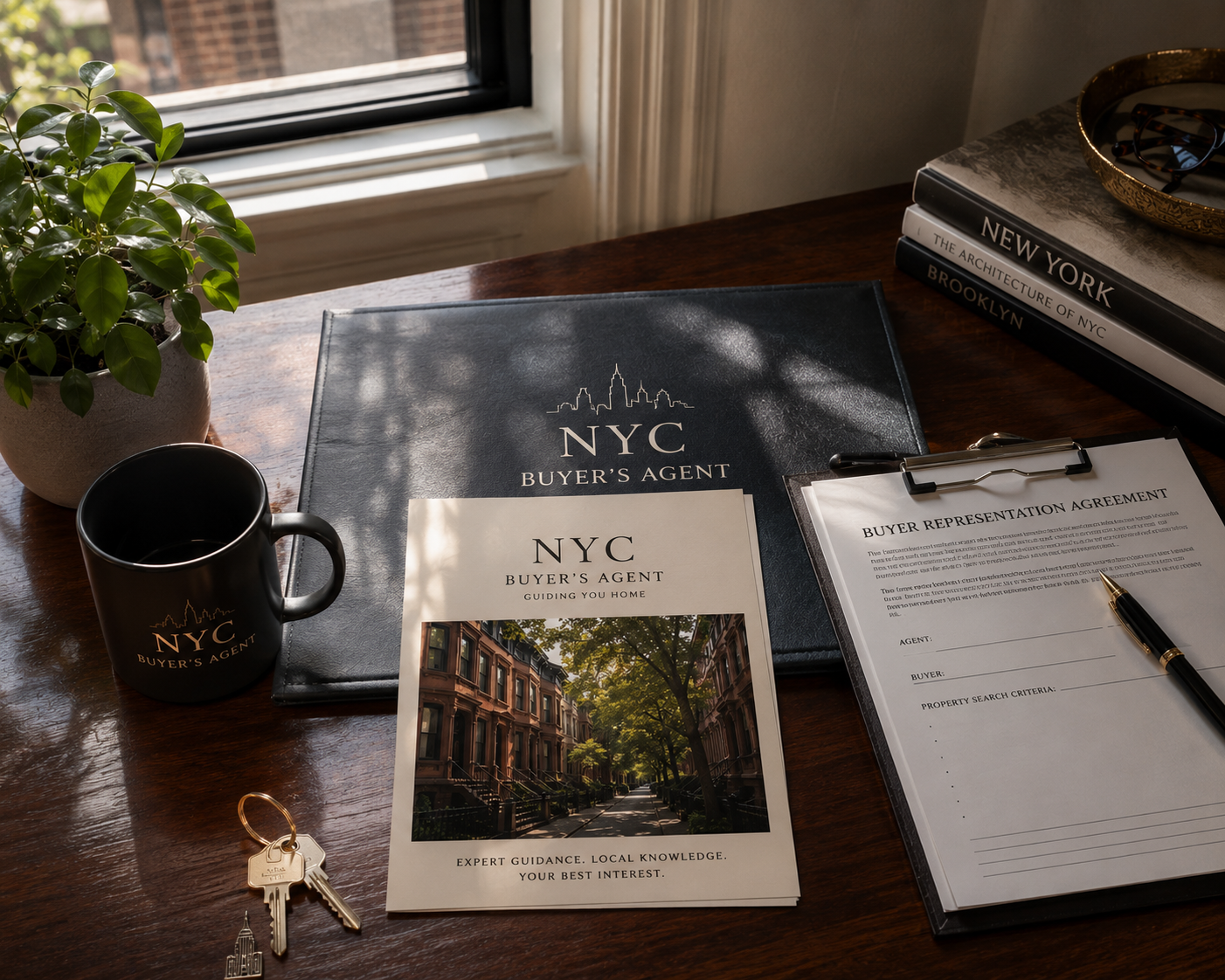
Buying a Condo in Bedford-Stuyvesant
Evaluating a Bedford-Stuyvesant condo means looking past staging, finishes, and listing photos. The purchase price is one variable. Monthly common charges, property taxes, any active assessments, insurance costs passed through the building, and future capital needs combine to create the actual ownership cost. Two condos listed at the same price can produce monthly carrying costs that differ by $500 or more depending on building type, tax class, abatement status, and how the building funds its reserves.
Bed-Stuy condo buyers should compare resale condos against new development opportunities and understand that each presents a different closing cost structure, a different tax profile, and a different set of building-level risks. Stanley guides buyers through property selection, building analysis, comparable sales review, and negotiation with the goal of identifying the strongest purchase for their budget and objectives.
Boutique Condominium Buildings
Many Bedford-Stuyvesant condos exist in buildings with fewer than ten units. A boutique condo can offer lower common charges, a quieter environment, and less bureaucracy than a larger development. It also means that major expenses are distributed across fewer owners.
When same-building sales are limited, which is common in a four- or six-unit Bed-Stuy building, I expand the comparable analysis to similar buildings nearby while adjusting for unit size, layout, floor level, condition, outdoor space, and monthly costs. I also want to understand how the building plans for capital work. A roof replacement on a six-unit building costs each owner more per unit than the same project in a forty-unit building. Low common charges get my attention, but I also want to understand what the building is funding; reserves that appear healthy at $30,000 may be insufficient if the façade needs restoration and brownstone is porous and susceptible to climate and pollution damage.
Brownstone and Townhouse Condo Conversions
Bedford-Stuyvesant boasts a collection of ornate brownstone and limestone row houses, and many have been converted into condominium units. Buying a condo inside a converted brownstone townhouse is fundamentally different from purchasing the entire building. The unit boundaries, common elements, outdoor space rights, storage access, and renovation restrictions are governed by the condominium's offering plan and declaration, not by what the listing describes.
Brownstones in New York City were originally built in the 19th century as single-family homes, typically with 3 to 5 floors. The front facade of brownstones is often clad in brownstone slabs with elaborate cornices, and many feature the ornate detailing, carved fireplaces, and high ceilings up to 14 feet that define classic brownstone architecture. Most brownstones feature large stoops leading to the parlor floor, with the ground floor often referred to as the garden level. These features create buyer appeal, but they don't independently establish value.
A recently converted brownstone is not the same thing as a new building. Buyers should understand what was actually replaced, renovated, restored, or retained. Original plumbing in a 130-year-old brownstone house that received a cosmetic renovation and a new condo offering plan presents different long-term ownership risks than a gut renovation that replaced mechanical systems, windows, and structural elements. Stanley coordinates with inspectors and attorneys to evaluate what the conversion actually delivered.
Brownstones are made from brown sandstone, primarily sourced from Portland, Connecticut. The Portland Brownstone Quarry closed in 2012 after 300 years of operation, increasing scarcity of original replacement material. That matters for condo owners in converted brownstone homes because façade maintenance is a shared building expense: patching, repointing, and restoring deteriorating brownstone facade surfaces require skilled stone workers and increasingly expensive material. Water damage can weaken brownstone if not properly managed, and regular maintenance can increase a brownstone's life and value. In a small condo conversion, those costs land on a handful of owners.
New Construction Condos
Bed-Stuy new construction condos offer updated floor plans, modern amenities, current building systems, and new warranties. They also come with sponsor closing costs that can add 2-4% to the buyer's acquisition cost, property taxes that may be higher than abated resale alternatives, and common charges that reflect the cost of maintaining newer building features.
When evaluating new development pricing against resale alternatives, Stanley compares the total acquisition cost (purchase price plus sponsor closing costs) against what buyers could purchase in a comparable resale building. A sponsor concession, such as covering transfer taxes, reduces the buyer's effective acquisition cost but does not necessarily change the recorded sale price or the unit's future resale value.
Construction quality varies. Stanley evaluates floor plans for usable space (not just reported square footage), window placement and natural light, mechanical systems, sound insulation, common areas, and how the building's operating budget supports its amenities.
Selling a Bed-Stuy Condo
Before recommending an asking price, Stanley reviews closed comparable sales in the same building, comparable buildings on nearby blocks, active competing listings, and any new-development inventory that overlaps with your unit's buyer pool. A Bed-Stuy condo seller competes not only with other resale units but potentially with a sponsor offering concessions in a building two blocks away.

Seller Pricing and Positioning
Pricing a Bedford-Stuyvesant condostarts with same-building transactions when they exist and are recent enough to be meaningful. If the last sale in your building closed eighteen months ago, conditions may have shifted. Stanley adjusts for unit size, layout, floor level, exposure, condition, outdoor space, and the current interest-rate environment before establishing a pricing recommendation.
When a seller expects a premium for a renovated unit, Stanley identifies what supports that premium. High-quality renovation, improved layout, new windows, upgraded HVAC, and functional outdoor space may justify a price above comparable unrenovated units. Money spent on finishes alone does not translate dollar-for-dollar into market value.
Sellers should also understand how their building's financials affect buyer perception. An active assessment, thin reserves, or rising common charges may cause buyers to negotiate more aggressively or choose a competing property with lower carrying costs. Stanley helps sellers anticipate and address those concerns during the listing process.
How Bed-Stuy Condos Are Valued
Condo valuation in Bedford-Stuyvesant relies on comparable sales, but the quality of the comparison matters more than the quantity. A same-building sale is the strongest evidence when the units are genuinely similar in size, layout, floor, exposure, and condition. Many smaller Bed-Stuy condo buildings have limited transaction history, so Stanley often expands to comparable buildings while carefully adjusting for differences.
Price per square foot is a useful screening tool, not a complete valuation method. In March 2023, the brownstone at 7 Arlington Place (featured in Spike Lee's "Crooklyn") sold for approximately $4.1 million at roughly $1,153 per square foot, setting a neighborhood price-per-square-foot record. That property was a restored whole brownstone, not a condo unit, and it included a 900-square-foot cellar speakeasy; below-grade space is often excluded from saleable area in per-square-foot calculations. Using that figure to value a condo unit in a different building type on a different block would be misleading.
Two condos at $764 per square foot may represent very different value depending on layout efficiency, monthly carrying costs, floor level, building condition, and exact location. Stanley uses price per square foot as one data point within a broader analysis.
Layout Efficiency and Usable Space
Reported square footage does not always reflect how a condo lives. Brownstone townhouses are narrow buildings, typically 15 to 25 feet wide, and units carved from them may include circulation space, thick walls, and irregular room proportions that reduce functional living area. Stanley evaluates bedroom configuration, kitchen layout, storage, ceiling height, and home-office flexibility when assessing whether a unit's reported size translates into usable space.
New-development marketing sometimes labels a room as a "bedroom" or "home office" based on how the developer wants to sell it rather than how the space is classified. Stanley evaluates how the space actually functions and directs code or classification questions to qualified professionals.
Private Outdoor Space
Outdoor space adds value in Bed-Stuy condos, but not all outdoor space adds the same value. A south-facing terrace with direct access from the living room, privacy from neighboring buildings, and documented deeded ownership is a different proposition from a north-facing balcony shared as a limited common element with restricted hours.
Stanley evaluates direct access, sunlight, orientation, surrounding buildings, usability, and maintenance responsibilities. Whether the space is deeded, exclusive-use, or limited common element affects both the buyer's rights and the unit's resale positioning. Detailed legal interpretation of how outdoor space is documented belongs with the buyer's attorney.
Bedford-Stuyvesant Condo Building Analysis
Building financials tell you what the listing photos cannot. Stanley reviews reserves, operating budgets, insurance policies, recent capital projects, and anticipated work when evaluating a Bed-Stuy condo for a buyer or preparing a seller for buyer scrutiny.
Common charges cover different line items in different buildings. In one Bed-Stuy condo, $600 per month might cover water, sewer, common-area electricity, insurance, management, and reserve contributions. In another building, $600 might cover less because reserves are underfunded or insurance costs have increased. Stanley breaks down what the charges include and whether the building's operating structure is sustainable.
Special assessments are not automatically evidence of poor building management. A building that assesses owners to fund a necessary roof replacement or façade restoration may be better managed than one that defers that work and depletes reserves. Stanley helps buyers understand the amount, purpose, duration, and responsibility for current assessments, and helps sellers anticipate how an assessment may affect buyer negotiations.
In a smaller condo, I want to know how major expenses are handled. If a six-unit building needs $120,000 in façade work, each owner's share is $20,000. That's a different financial exposure than a forty-unit building spreading the same cost across more owners. The question is not whether the building is small; it's whether the building plans and funds its obligations.
Tax Abatements and Property Taxes
Property taxes are a carrying cost that directly affects affordability and resale. NYC condos fall under Tax Class 2, where the effective tax rate averages approximately 3.7%, compared to approximately 0.7% for Class 1 properties (one-to-three-family homes, which many brownstone houses are classified as when owner-occupied). That difference matters when a buyer is comparing a condo purchase against an entire brownstone.
Some Bed-Stuy new construction condos sell with tax abatements that reduce the current tax obligation. When tax abatements or unusually low property taxes are advertised, Stanley verifies whether an abatement exists, its remaining duration, its phase-out schedule, and what the full unabated tax bill will be. A unit that appears affordable at $250 per month in taxes during an abatement period may carry $800 or more per month after expiration. That trajectory affects both current affordability and future resale.

Bedford-Stuyvesant Neighborhoods We Serve
Bedford-Stuyvesant is not a single condo pricing zone. Stanley works with buyers and sellers across the neighborhood's distinct sub-areas, evaluating how exact block, surrounding housing stock, transit access, and development activity affect condo demand and comparable selection.
Stuyvesant Heights / Chauncey Street corridor: High concentration of historic brownstone architecture, landmarked blocks, limited new condo development, and strong demand for converted townhouse units. Historic districts in this area may affect façade renovation options and timelines for condo buildings with brownstone facades.
Fulton Street / Nostrand Avenue area: Commercial corridor proximity, higher density of apartment buildings and newer construction, greater variety of condo building types, and convenient access to the A/C subway lines.
Northern Bed-Stuy near Flushing Avenue: Closer to the bordering neighborhoods of Clinton Hill and Fort Greene, with development activity influenced by proximity to the G train and the Williamsburg corridor. Buyers here may also compare condos in Fort Greene or Clinton Hill.
Southern Bed-Stuy near Broadway: Mixed residential and commercial blocks, accessible to the J/M/Z subway lines, with pricing that often reflects different buyer expectations than the landmarked blocks further north.
Western Bed-Stuy near Clinton Hill border: Tree-lined blocks of brownstone townhouses, proximity to the C train and the cultural institutions along Clinton and Washington Avenues, and condo inventory that competes with resale units in Clinton Hill proper.
Transportation access, exact-block conditions, surrounding property types, and proximity to new development all influence condo values within Bedford-Stuyvesant. Stanley evaluates these factors for each property rather than applying a single neighborhood-wide valuation model.
Frequently Asked Questions About Bed-Stuy Condos
How do condo common charges differ from co-op maintenance?
Condo common charges cover shared building expenses: insurance, common-area maintenance, management, water, and reserve contributions. Co-op maintenance typically includes those costs plus the building's underlying mortgage debt service and property taxes for the entire building. Because co-op maintenance bundles property taxes into one payment and condos bill taxes separately, a direct comparison requires adding a condo's common charges and property taxes together before comparing to co-op maintenance.
How long does a Bedford-Stuyvesant condo purchase typically take?
From accepted offer to closing, most Bed-Stuy condo purchases take 60 to 90 days. Sponsor or new-development purchases may take longer depending on construction completion, offering plan status, and lender requirements. Resale transactions with straightforward financing and cooperative building management tend to move faster.
Do Bed-Stuy condo buildings require board approval for purchases?
Most condominiums do not require board approval the way co-ops do. However, some condo boards retain a right of first refusal, which allows the board to match the purchase terms. Stanley confirms the specific approval process for each building during due diligence.
What should I know about assessments before buying a Bed-Stuy condo?
Ask whether any assessment is currently active, its total amount, monthly payment, remaining duration, and what it funds. Understand whether the seller or buyer is responsible for remaining payments. An assessment for necessary capital work (roof, façade, mechanical systems) is not inherently negative; it may indicate that the building is addressing deferred maintenance rather than ignoring it.
How does buying a condo in a converted brownstone differ from a new construction condo?
A condo conversion in a brownstone means the building structure may be over 100 years old. Distinctive architectural styles of brownstones include Italianate, Neo-Grec, and Romanesque Revival; many feature original woodwork and ornate details. Brownstones were originally built as row houses for middle class families during the mid-19th century, and many were later subdivided into multi-family boarding houses after the Civil War. In 1880, 78% of New York stone buildings used brownstone as a building material, though brownstone was initially considered less desirable than granite or marble. These buildings carry different long-term maintenance profiles than a structure built in 2024. The conversion quality, what was replaced versus retained, building systems, façade condition, and reserves all require evaluation. New construction typically offers current building codes, newer mechanicals, and developer warranties, but may come with higher closing costs and property taxes. Stanley helps buyers compare the total ownership proposition of each.
Are Bed-Stuy brownstone condos a good investment?
Brownstones have become a symbol of wealth due to high demand, and brownstone houses in NYC start at around $1.5 million for whole buildings. Brownstones are considered historic landmarks, boosting their value, and many are over 100 years old, which increases their market appeal. No new brownstones are being built with original Portland brownstone material since the Portland Brownstone Quarry closed in 2012, limiting supply and increasing scarcity. That said, owning a condo unit inside a brownstone is not the same as owning the building. The investment performance of a specific condo depends on the unit, the building's financial health, exact location, carrying costs, and what comparable properties sell for at the time of resale. Stanley provides property-specific analysis rather than broad investment claims.
Contact Your Bedford-Stuyvesant Condo Realtor
Whether you're buying a condo in Bed-Stuy or preparing to sell one, Stanley Montfort provides building-level analysis, comparable sales research, and due diligence coordination specific to Bedford-Stuyvesant's condo market. Contact Stanley for a free consultation and market analysis covering your property, your building, and your realistic buyer or seller alternatives.
Phone: 1-646-970-1078 Email:[email protected] Address: 8 West 126th Street, New York NY 10027
Recent News & Realtor Advice
Stay in the loop on the latest events, news, & happenings in and around our community!
Upper West Side Townhouse Q2 2024 Market Report
On the Upper West Side, we observed a distinct trend that diverges from the citywide patterns. Speci…
Harlem Brownstone Q2 2024 Market Report
The Harlem brownstone market has seen an increase in sales activity since this time last year. In Q2…
Discover Your Dream Home: Explore Apartments for Sale on the Upper West Side
Are you searching for your dream home in one of New York City’s most sought-after neighborhoods? Loo…